Mallorca vs Costa Blanca: Which Cycling Destination Is Right for You?
Two of Europe's best winter sun cycling destinations, compared. Which one suits your riding level, travel dates and ambitions?
Mallorca highlight
Sa Calobra — Pidcock KOM 22:46
Costa Blanca highlight
Coll de Rates — Pogačar KOM 11:57
Mallorca season
Feb–May and Oct–Nov
Costa Blanca season
Oct–Apr
Mallorca base
Pollença or Palma
Costa Blanca base
Calpe
If you are trying to choose between Mallorca and the Costa Blanca for a cycling trip, you are already in a good position — both are excellent. But they are very different experiences, and getting the choice right matters. Mallorca has the bigger reputation and the more extreme terrain. The Costa Blanca is more compact, with better road quality in the interior, and has quietly become the serious training destination of choice for European professional teams. Here is what you need to know.
The climbing
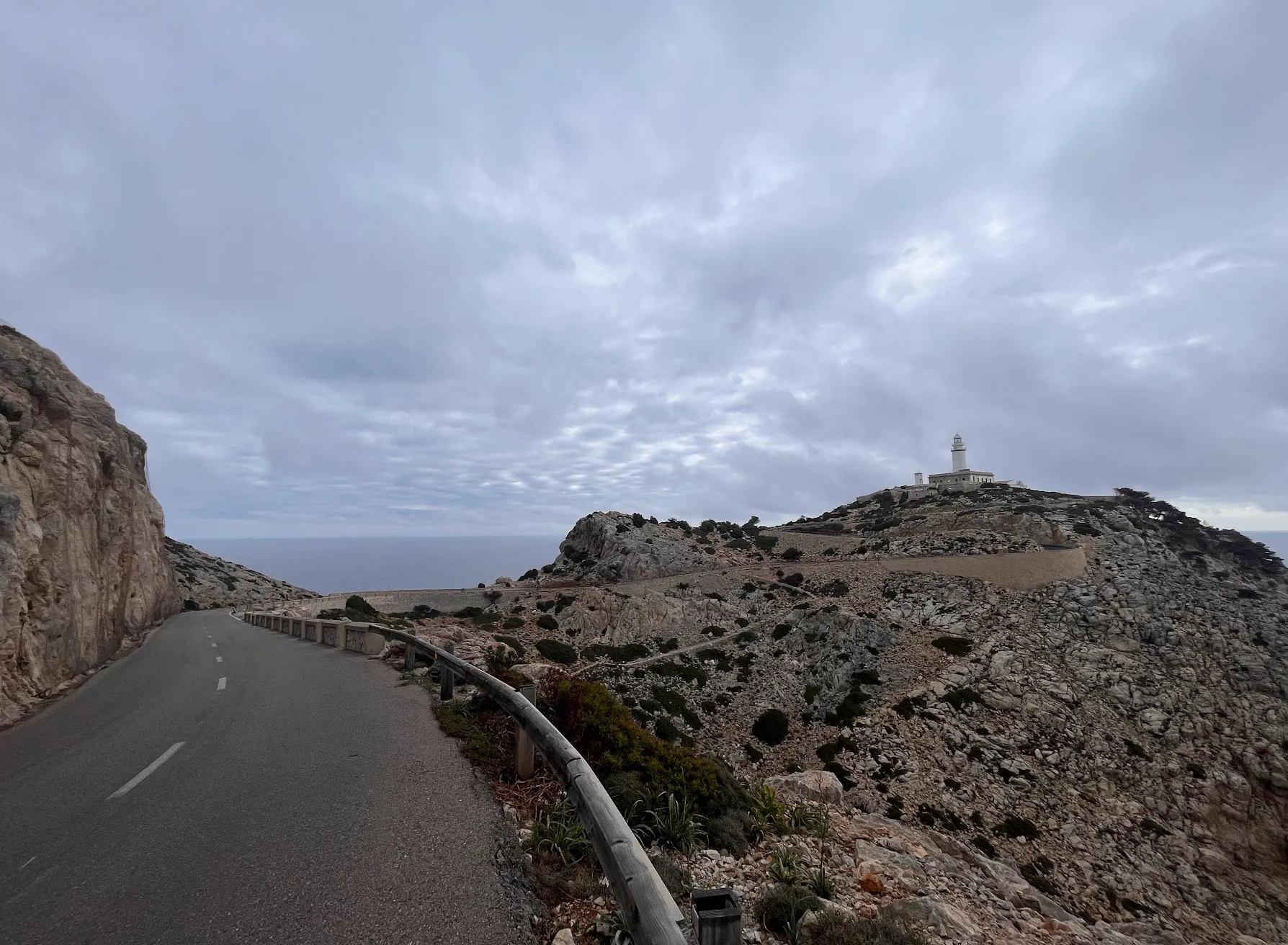
Mallorca's signature climbs — Sa Calobra, Cap de Formentor, Puig Major, Sa Batalla — are among the most dramatic in cycling. Sa Calobra is a road unlike any other: 9.5 kilometres, 496 metres of climbing, carved into the cliffs above a gorge. Tom Pidcock's KOM is 22 minutes 46 seconds. These are not roads you forget.
The Costa Blanca's climbing is different in character. Coll de Rates is cleaner and more consistent. Port de Tudons is longer and more remote. Cumbre del Sol above Calpe offers views back to the sea from 532 metres. None of these climbs reach Mallorca's heights in terms of drama — but they are well-made, varied and strung together into longer loops with less tourist traffic than the more famous Mallorcan passes.
If extreme terrain is your priority, Mallorca wins. If you want quality training roads with good rhythm and less tourist traffic, the Costa Blanca has the edge.
Season and weather
Both destinations are at their best in winter and spring. Mallorca's prime season runs February through May — early spring is the peak time for cycling, with professional teams arriving for first stage races of the year. October and November are also good.
The Costa Blanca runs slightly longer. October through April is the window, with November to February offering the best combination of mild temperatures and empty roads. The difference in practice is small — both are strong winter sun destinations — but the Costa Blanca's lower altitude means winter temperatures are fractionally more reliable than in the Mallorcan mountains.
Both destinations are uncomfortable in July and August.
Getting there and getting around
Mallorca (PMI) is one of Europe's busiest airports with flights from almost everywhere. The island is large enough that you will want a hire car to vary your start points, though Pollença and Palma both work well as a single base.
Alicante (ALC) for the Costa Blanca is well connected from northern Europe through the winter. Calpe is compact enough that a car is optional — you can ride to everything from a central base. For many cyclists this simplicity is a genuine advantage: arrive, unpack, ride.
Bike rental is available in both destinations, though Mallorca has more options and higher-end choices. Both are straightforward for bringing your own bike.
Who each destination suits
Mallorca suits cyclists who want to ride the routes they have seen in Grand Tour coverage, climb to serious altitude, and spend time in a beautiful Mediterranean island setting. The infrastructure for cyclists is outstanding, and the variety of terrain — from flat coastal rides to the steep mountain roads of the Serra de Tramuntana — means riders of all levels find something that works.
The Costa Blanca suits cyclists who want focused training riding, proximity to professional teams and their roads, and a more compact, less touristy base. Calpe in January is genuinely quiet. The coffee is better. The roads in the Xaló and Guadalest valleys are excellent and rarely crowded.
Our verdict
First trip? Mallorca. The name still carries the most weight for a reason — the terrain is more varied, the scenery more dramatic, and the cycling infrastructure better established. Sa Calobra is one of the great roads in cycling.
Second trip, or if training is the priority? The Costa Blanca. Fewer tourists on the roads, more focused terrain, easier logistics from Calpe, and arguably better coffee. The fact that professional teams choose it for winter training camps is not a coincidence.