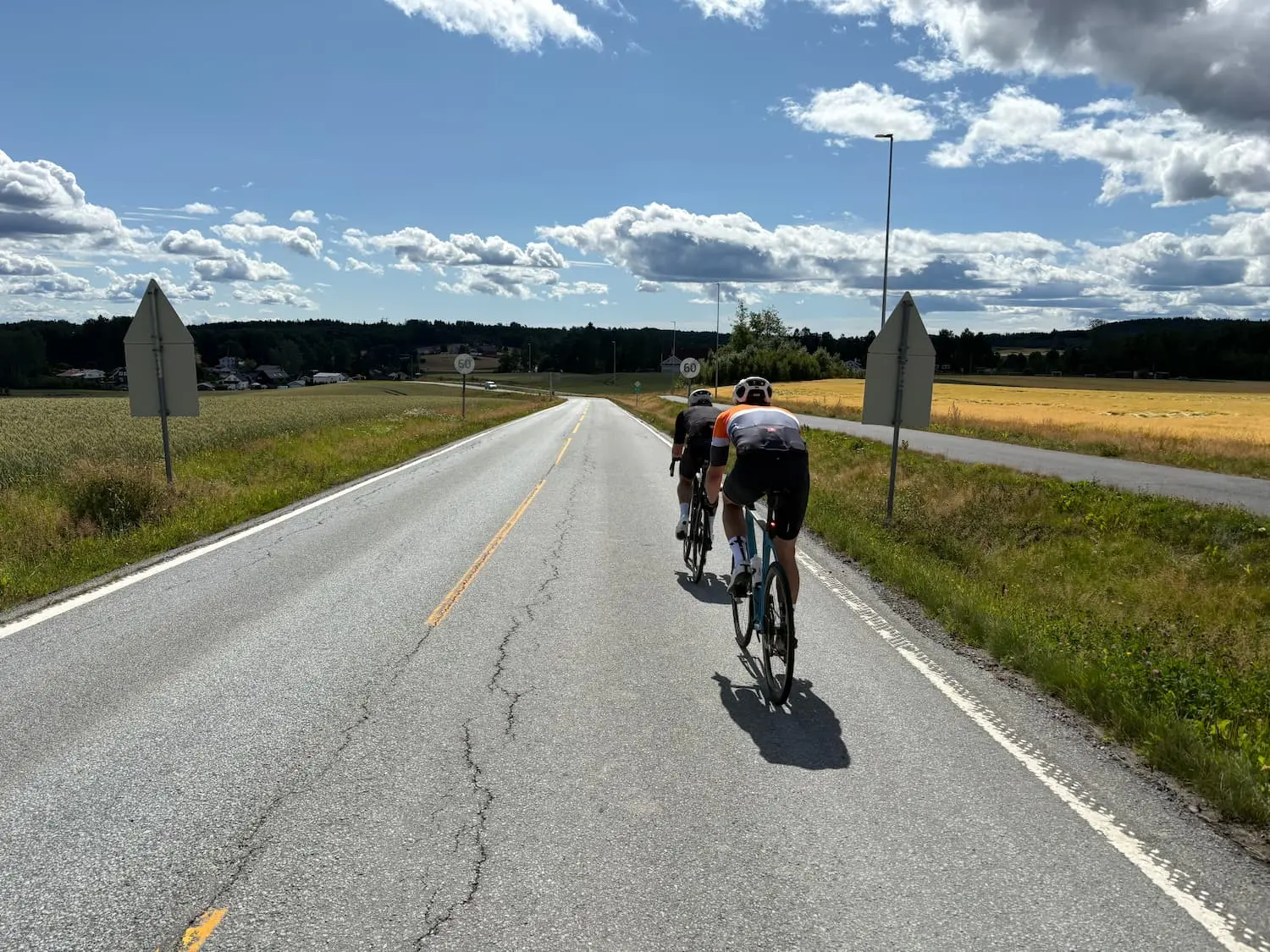
Oslo Cycling — Drøbak
About this Route
← Oslo & Oslofjord Cycling GuideA classic 76-kilometre out-and-back from the Oslo Opera House to one of the Oslofjord's most beloved towns — Drøbak. Following Gamle Mossevei south past Hvervenbukta, Tusenfryd and Vinterbro, the route winds along quiet roads to the idyllic seaside town of Drøbak.
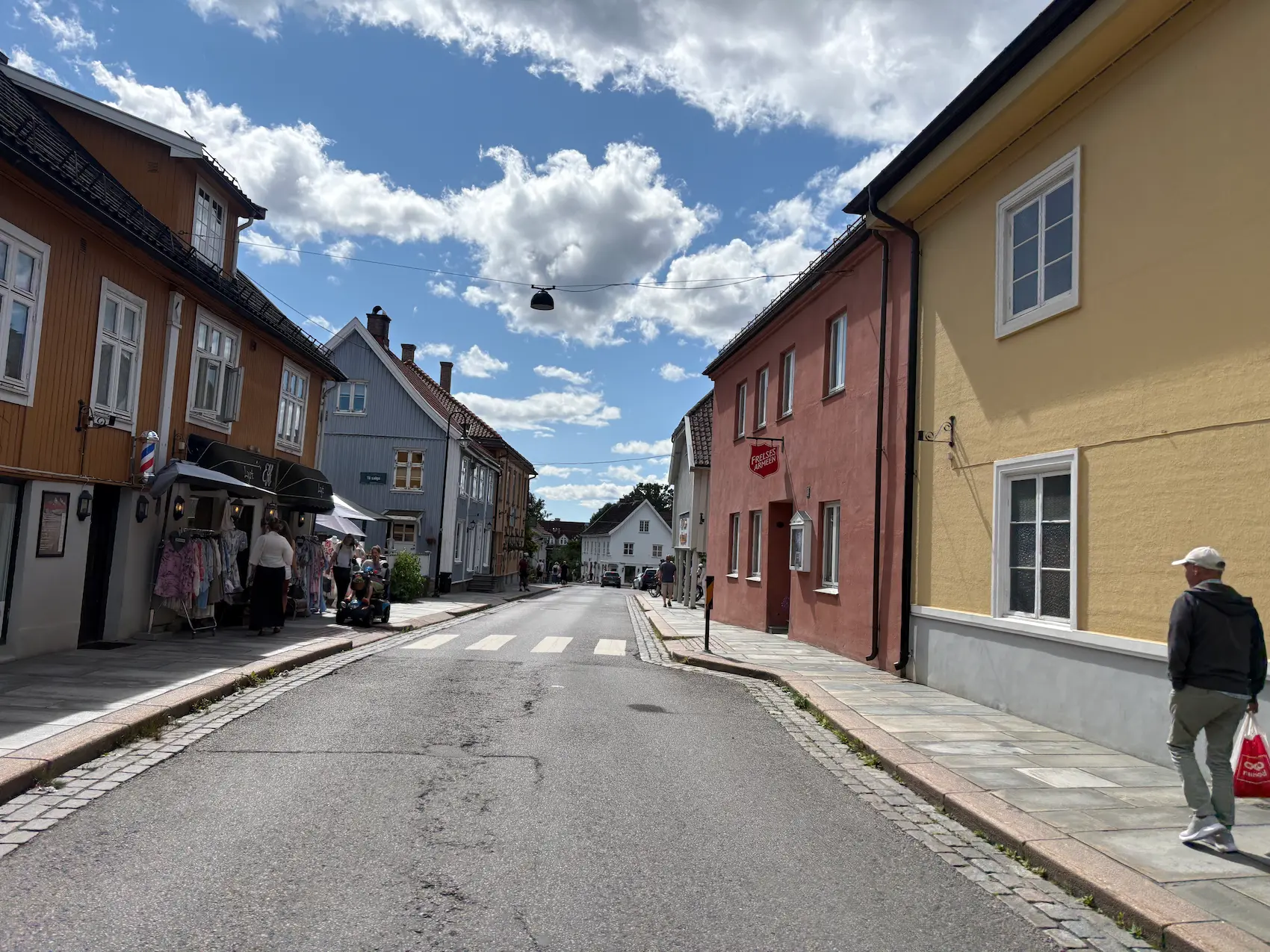
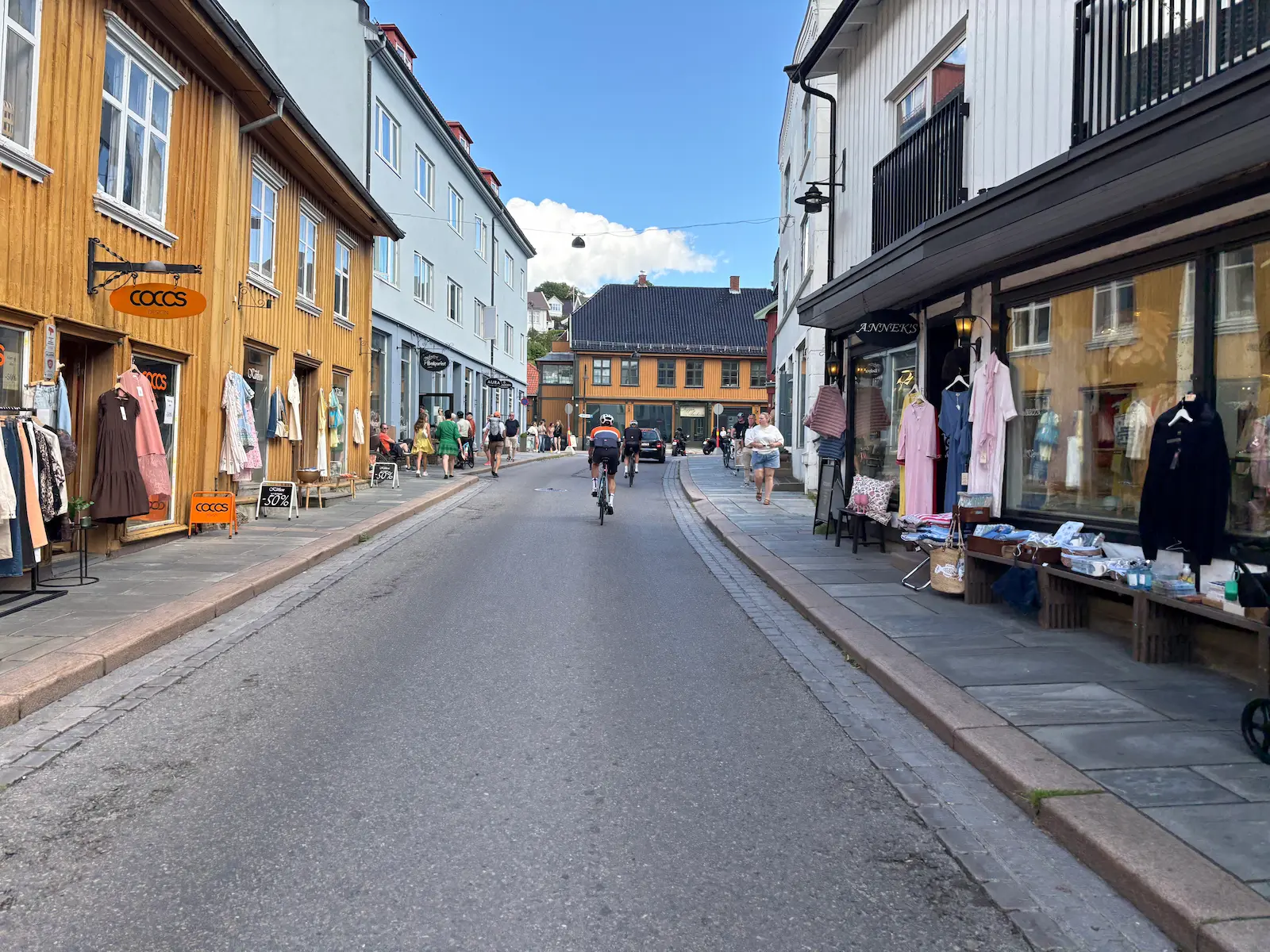
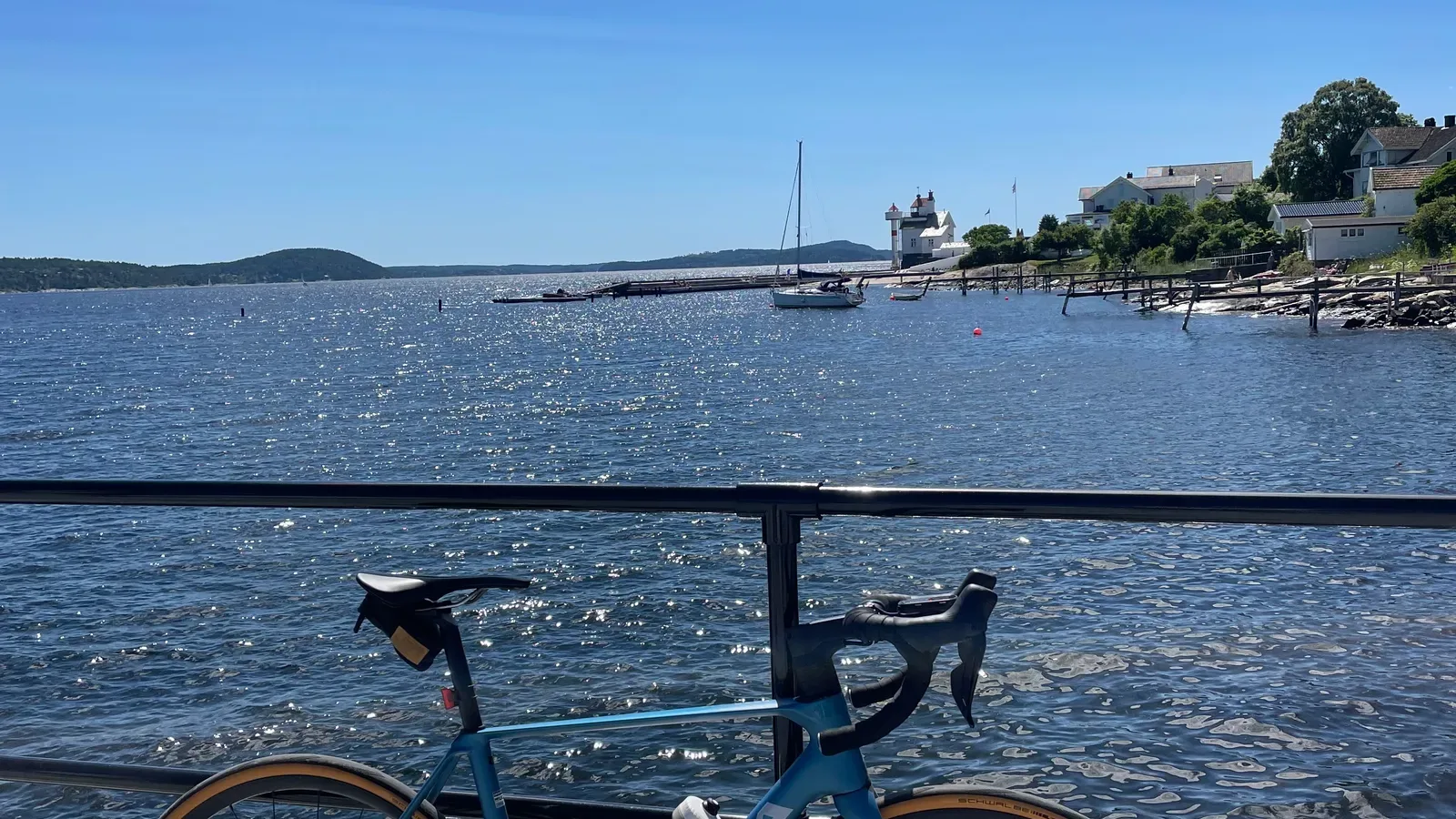
Drøbak is a true gem of the Oslofjord — a historic summer town with wooden houses, a beautiful harbour and excellent cafés. Just outside the town, Oscarsborg Fortress is visible from the harbour — the site where Norwegian forces sank the German warship Blücher on 9 April 1940.
With 642 metres of climbing on mostly quiet roads, this is an accessible and rewarding ride — perfect for a summer day out from the capital.
Drøbak is a classic — one of the most natural targets for a day ride out of Oslo, and a route I find myself coming back to regularly. It's not the hardest day out, but it's one of the most enjoyable.
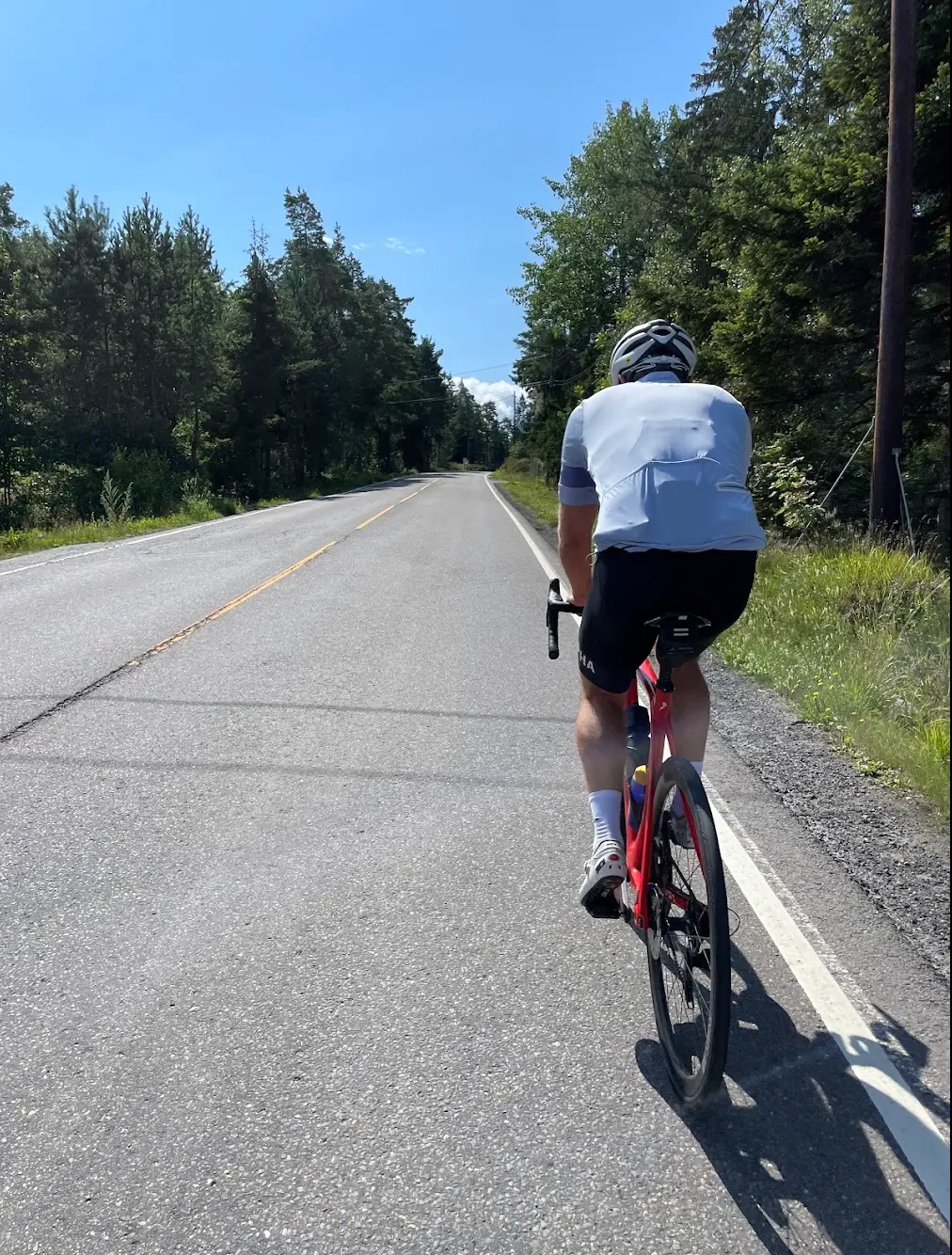
Gamle Mossevei out of Oslo is one of those roads that puts you in a good mood immediately. Flat, well-surfaced and shielded from the worst of the traffic — it's a favourite among time trial riders for a reason. You can hold a genuinely high pace here and the legs feel fresh. Hvervenbukta is a natural early landmark, and if you want a few extra kilometres, Svartskog is a 2.5 km detour off the route before you continue south.
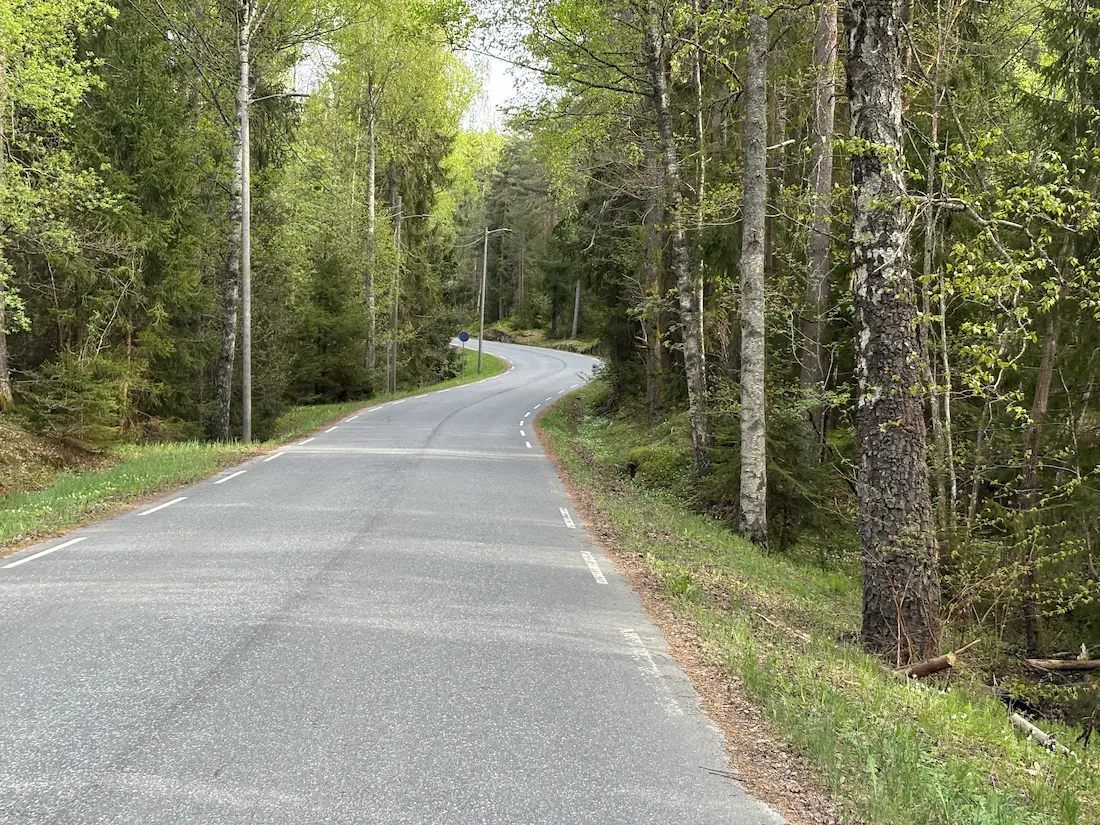
Past Vinterbro the terrain changes. The road drops down before climbing again — nothing severe, but the legs notice the shift. Past Årungen the roads become quieter and more intimate as you work your way toward the coast. There can be a bit of traffic as you get closer to Drøbak, but the town itself is worth it every time.
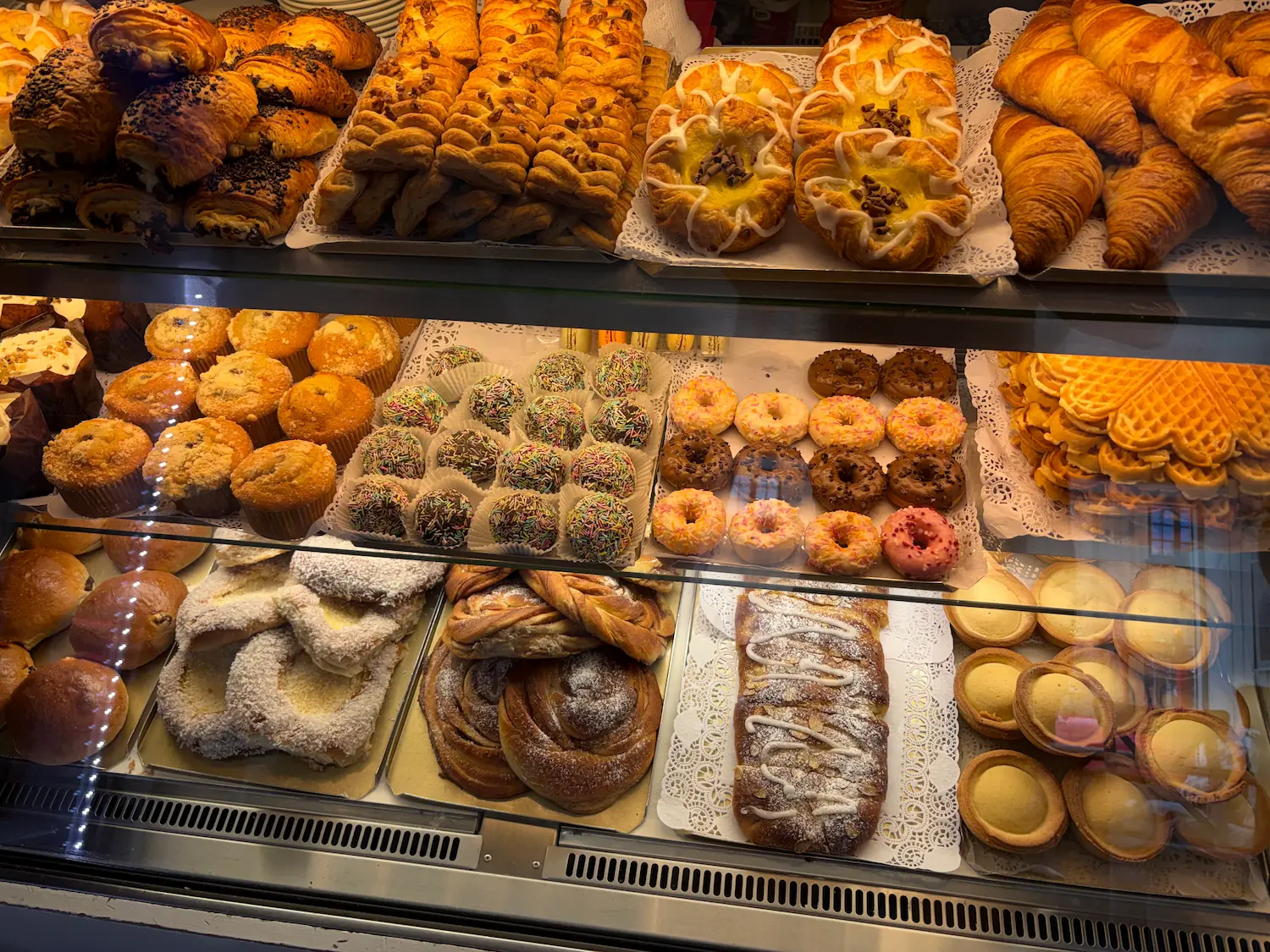
Drøbak is a genuine highlight — historic wooden houses, a small harbour and a pace of life that feels completely removed from Oslo. Håndverksbakeriet is my usual stop, or Pavels Bakeri if there's a queue. The return follows the same road back — familiar, but never dull. Tailwind days home are a bonus.
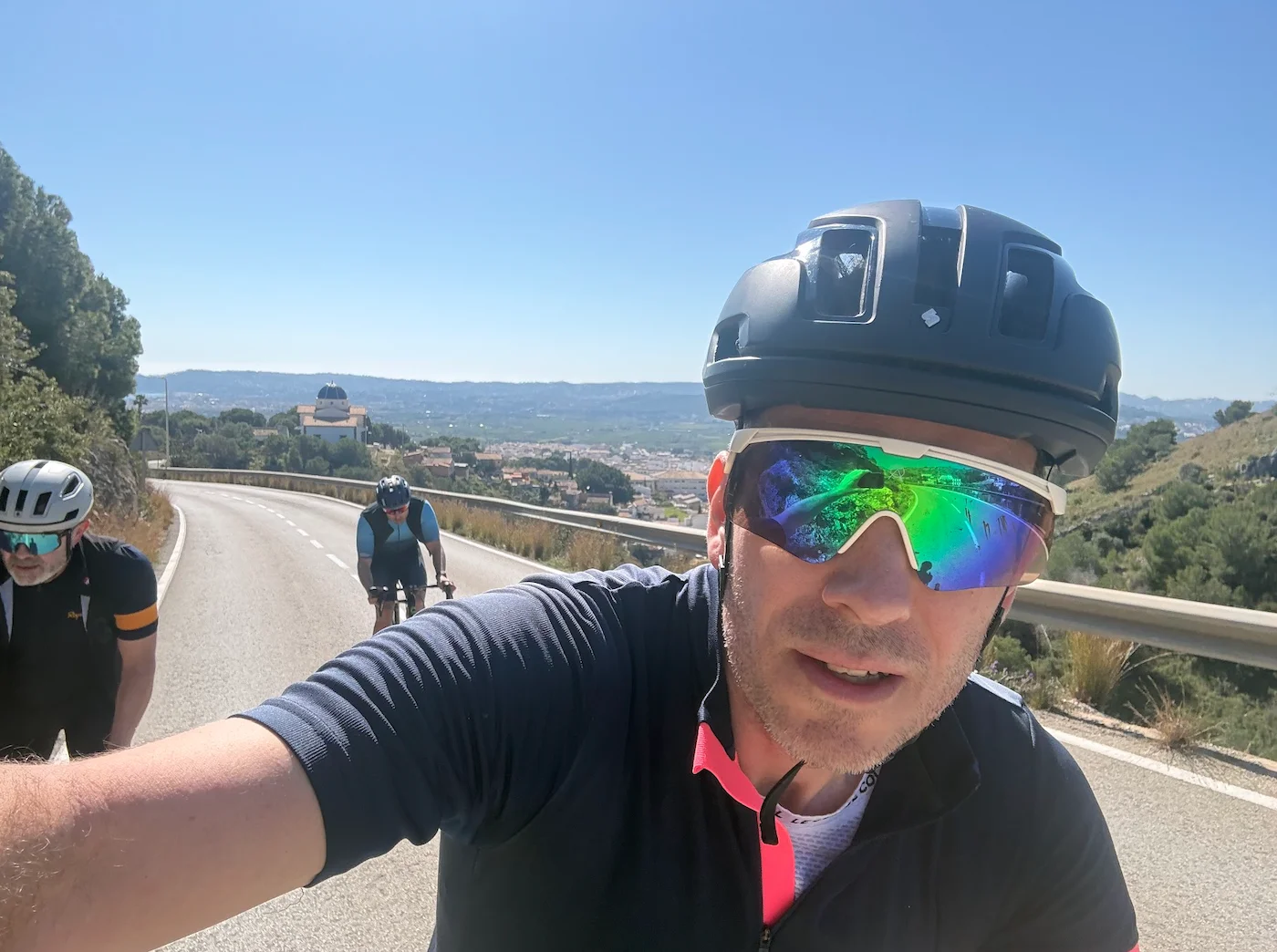
Kilometre by Kilometre
Leave the Opera House and head south on Gamle Mossevei — flat, well-surfaced and one of the most popular roads for cyclists out of Oslo. Time trial riders use this stretch regularly. Hvervenbukta is a natural landmark at around km 10. From here you can optionally loop through Svartskog for extra kilometres before continuing south.
Past Vinterbro the terrain shifts — a dip down before climbing again after Bunnefjorden. Past Tusenfryd the roads become quieter and more rural. Some traffic as you approach Drøbak, but nothing severe. The town appears gradually through the trees.
Historic wooden houses, a small harbour and excellent cafés. Håndverksbakeriet and Pavels Bakeri are both excellent. Oscarsborg Fortress is visible just offshore — the site where Norwegian forces sank the German warship Blücher on 9 April 1940. Allow time for a proper stop.
The return follows the same road north. The terrain is familiar but the rhythm often different — tailwind days home are a genuine treat. Hvervenbukta is a good option for a final coffee stop before the flat run back along Gamle Mossevei to the Opera House.
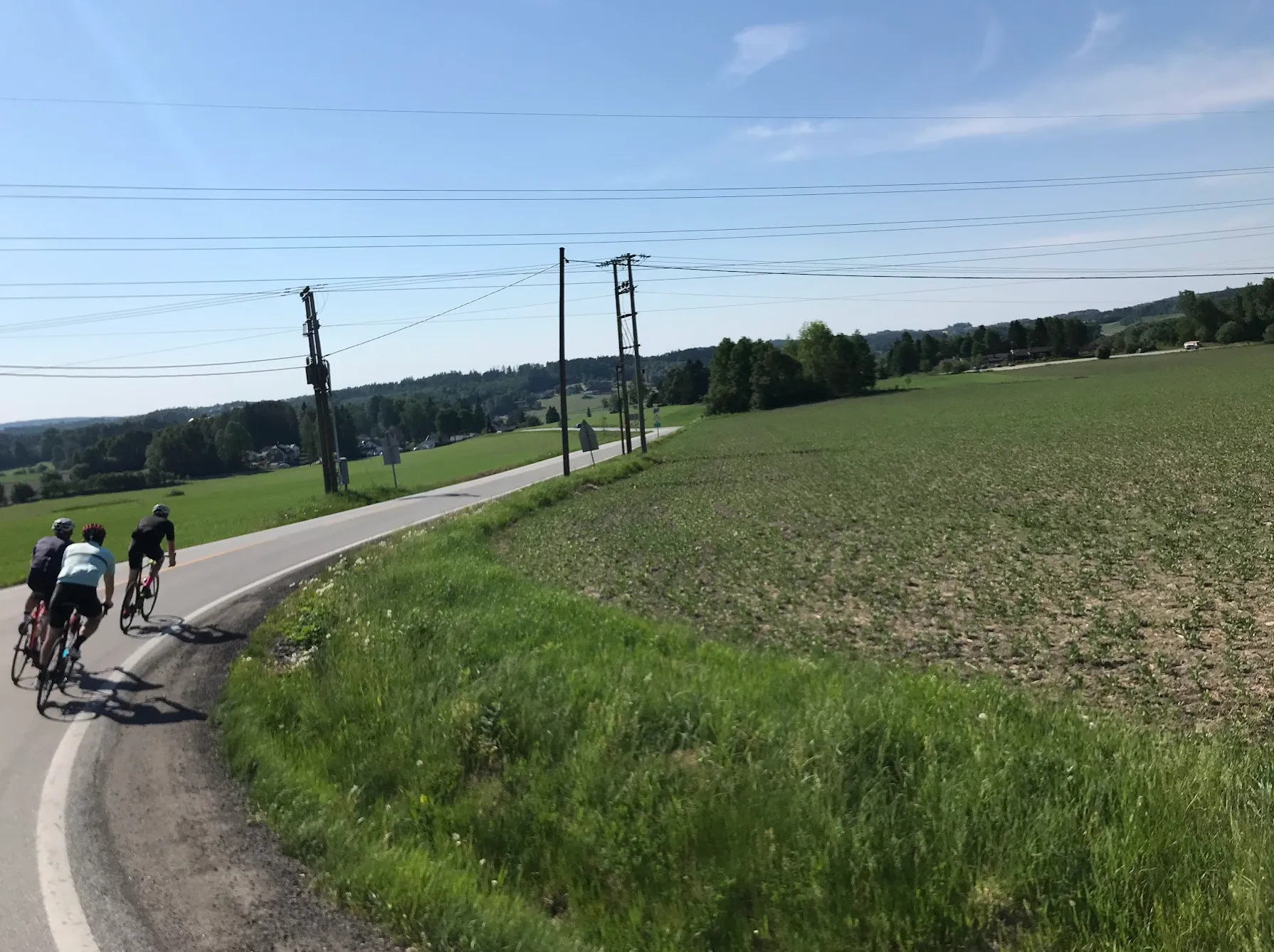
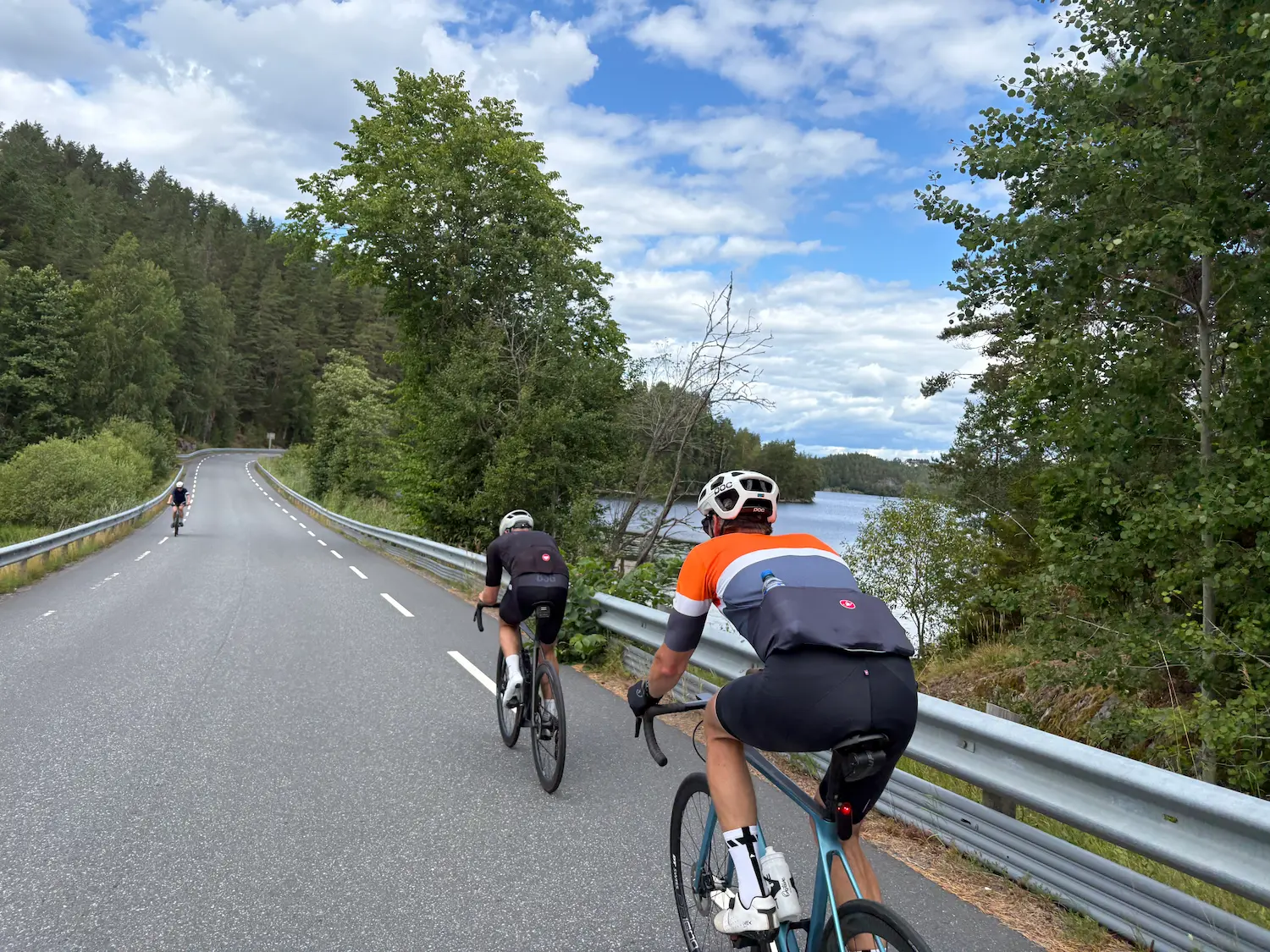
Gallery
Route map & elevation profile
Highlights
- •City start — roll straight out of the Opera House onto the fjord road, no transfer and no car needed
- •Gamle Mossevei — the quiet alternative to the motorway, hugging the east side of Bunnefjorden
- •Drøbak at halfway — wooden houses, a working harbour, and a bakery worth stopping for
- •Oscarsborg — the island fortress where Norwegian gunners sank the Blücher on 9 April 1940
- •Flexible distance — it's an out-and-back, so turn at Hvervenbukta, at Vinterbro, or ride the full 76 km
Must know
- ⚠Out-and-back — same roads both ways, so you can turn around at any point and the ride home holds no surprises
- ⚠Flat profile — 642 m over 76 km, high point 94 m. A base miles day, not a climbing day
- ⚠Urban exit — the first few kilometres are city riding before the road quietens along the water
- ⚠Services — no need to over-plan. There are shops, petrol stations and kiosks along the way, and Drøbak at the turnaround has cafés and bakeries
- ⚠Season — best May to September. The fjord road is fully exposed and turns raw and wet outside summer
- ⚠Hvervenbukta at km 10 is a swimming spot with a kiosk — worth a dip on the way back on a hot day
Café & Water
- km 38Pavels BakeriDaily 08:00–18:00
Reliable coffee, pastries and open sandwiches, and the best outdoor seating in town, which makes it the one to head for with a group of four or more. Håndverksbakeriet a few steps away bakes better, but has less room outside.
Frequently asked questions
- Do I have to ride the full 76 km?
- Not at all. It's an out-and-back, so you turn whenever you like and the distance halves from wherever you stop. Hvervenbukta (km 10) for a short spin, Vinterbro (km 23) for a mid-length ride, Drøbak (km 38) for the full day.
- Where does it start?
- The Oslo Opera House, right in the city centre. You're on the fjord road within minutes — no transfer, no car.
- How hard is it?
- Long, not steep. 642 m over 76 km with a high point of 94 m: a low-gradient day that rewards steady endurance.
- Where should I stop in Drøbak?
- Pavels Bakeri by the harbour, for coffee, pastries and the best outdoor seating — the go-to with a group. Håndverksbakeriet nearby bakes better but has less room.
- What is Oscarsborg?
- The island fortress off Drøbak, where Norwegian gunners sank the German cruiser Blücher on 9 April 1940. You get a clear view from the quayside; the island itself is reached by boat.
- When is the best time to ride it?
- May to September. The fjord road is open and exposed, so it turns cold and wet outside the summer months.
Know a better line?
Submit your local route and get featured with your own author profile, Strava, Instagram and Buy Me a Coffee link.
Share a Route → →Similar routes
Oslo Cycling — Svartskog Loop
Same fjord-side approach — shorter loop without the full Drøbak swing
Oslo Cycling — Nesodden Loop
The longer fjord-side loop from the same start — 101 km out to Nesoddtangen and back by road
Oslofjord Short Loop
Rides the opposite Hurum shore, crossed by ferry from Son