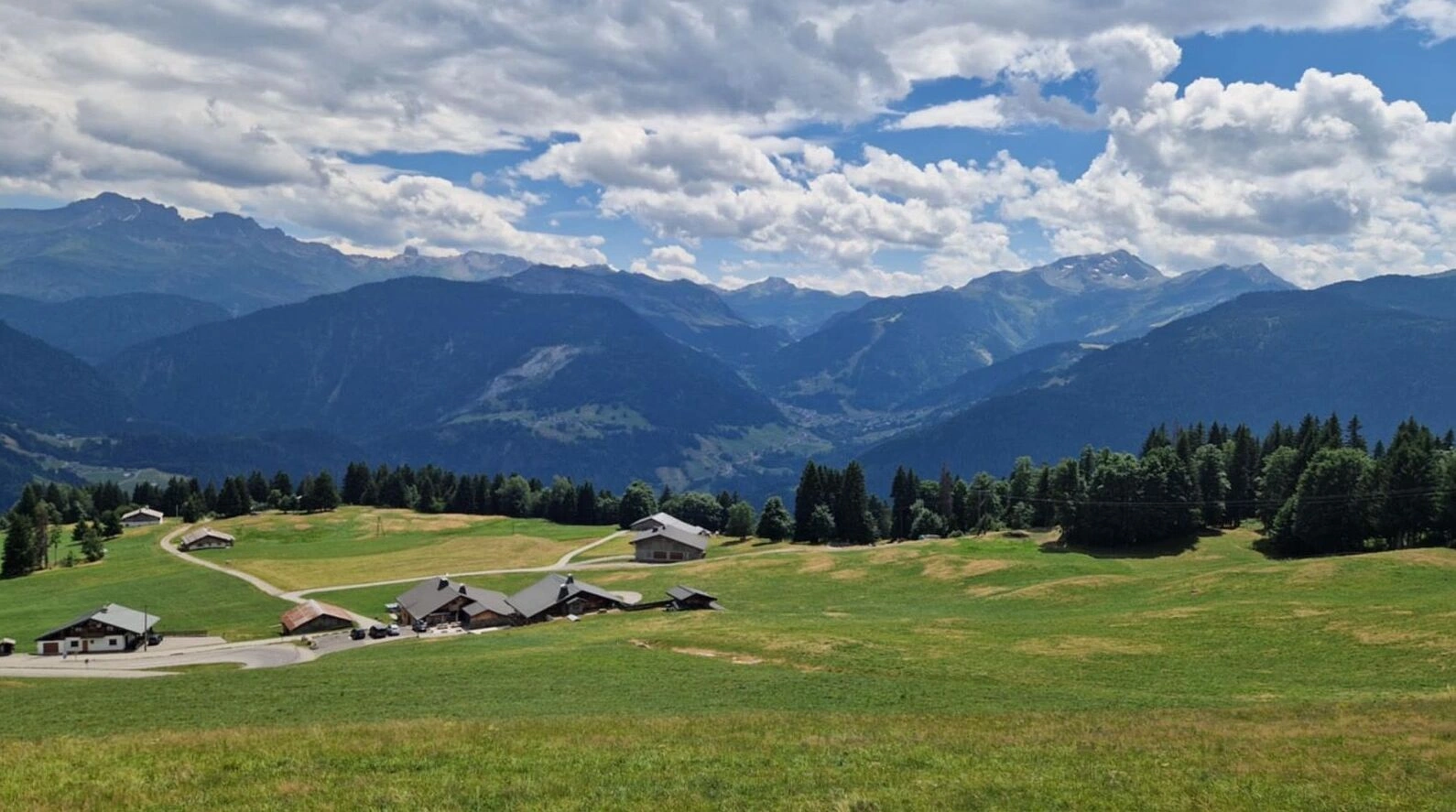
Region at a glance
All Routes in Tarentaise & Beaufortain
2 handpicked road-cycling routes in Tarentaise & Beaufortain.
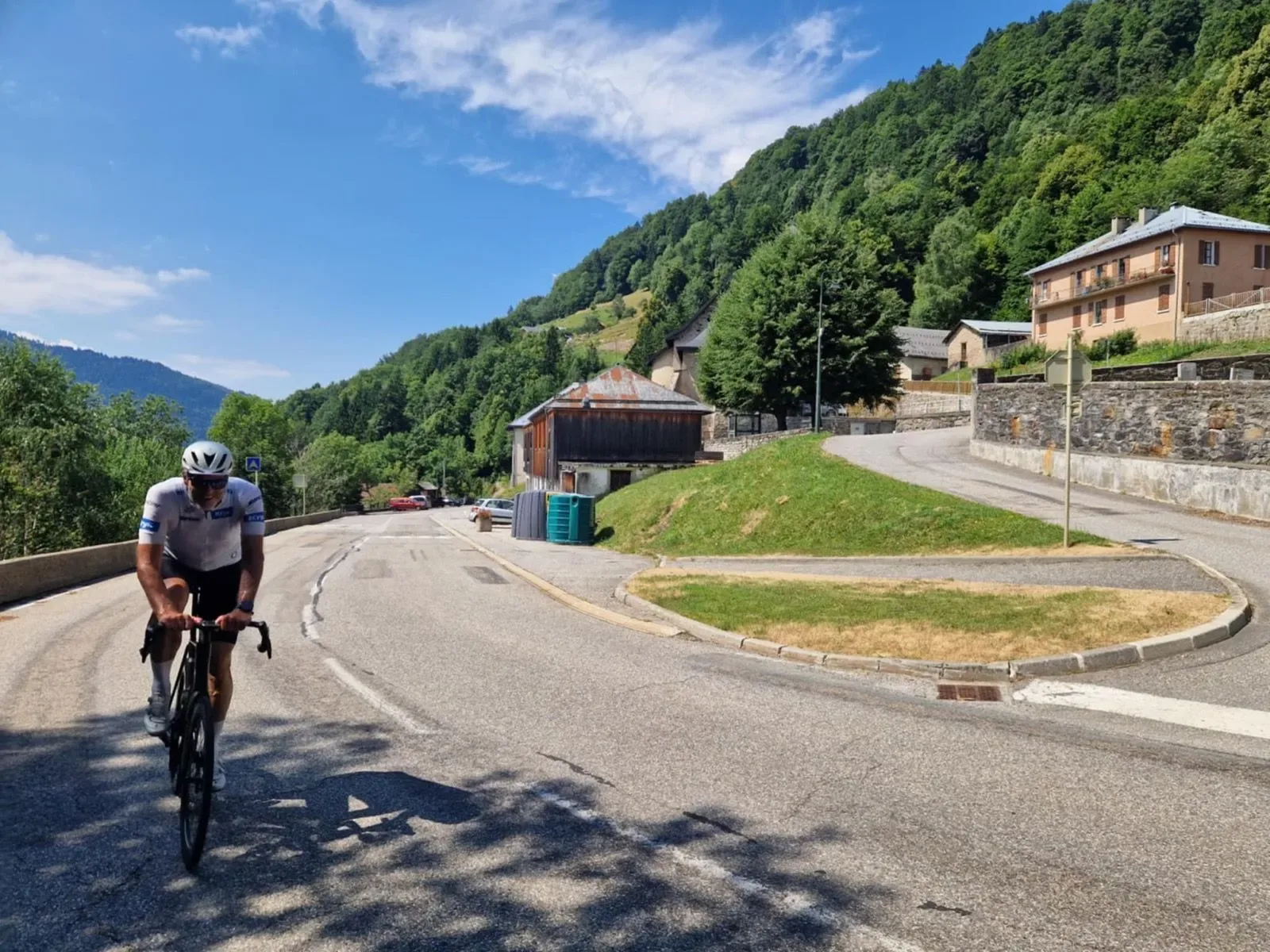
Côte d'Héry-sur-Ugine & Col des Saisies
A 70.2 km Savoie loop with 1,705 m of climbing over the Côte d'Héry-sur-Ugine and the Col des Saisies. Both were on the route of Stage 19 of the 2025 Tour de France — until the stage was cut short the night before and the race went another way.
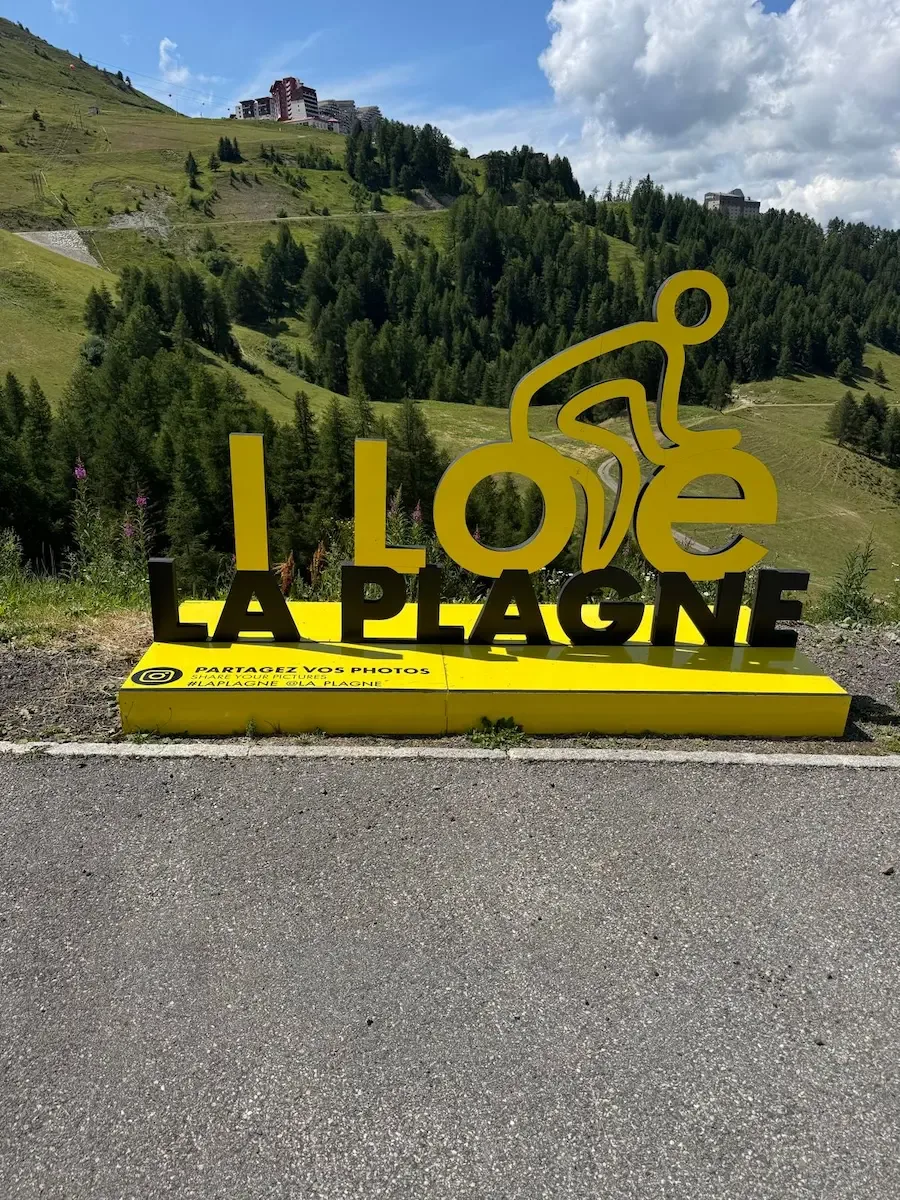
Aime - La Plagne
A proper Tour de France climb from the Isère valley up to La Plagne: 41.8 km and 1,472 m of ascent up the D221, the road the Tour climbed in 2025, hairpin after hairpin through Savoyard forest and ski-station meadow, then a fast, flowing descent back to Aime.
Tarentaise and Beaufortain offer a quieter version of the French Alps. Where Oisans and Maurienne concentrate the Tour de France's most famous climbs, these two adjoining regions — Tarentaise running east from Albertville to Bourg-Saint-Maurice, Beaufortain centred on the village of Beaufort north of the valley — deliver exceptional climbing without the coach traffic and the crowded Alpe d'Huez mornings. The terrain is as scenic as anywhere in the Alps, with less Tour de France mythology attached.
Read the full guide ↓Show less ↑
The defining climb is the Cormet de Roselend — 19.9 km at 6.0% from Beaufort to the 1,968-metre summit, passing the turquoise Lac de Roselend in the final third. Descending the other side into Bourg-Saint-Maurice, the road winds through a high alpine basin that is regularly cited by professional cyclists as one of the most beautiful stretches in the Alps. The Cormet has featured in the Tour de France multiple times and remains a rare combination of accessibility and scenic reward.
Col du Pré — the savage one
Col du Pré is the climb that Beaufortain specialists talk about. From Beaufort it covers 12.6 km at 7.8% average, with ramps up to 14%. It links to the Cormet de Roselend via a spectacular traverse along the reservoir, creating a loop that is harder, quieter and arguably more rewarding than any single Tour de France climb. Col du Pré is short but brutal, and the limited traffic makes it a favourite for cyclists who want a genuinely hard climb without the commercialised atmosphere of Alpe d'Huez.
Les Saisies and the Olympic legacy
Col des Saisies sits at 1,633 metres — moderate by Alpine standards at 14.7 km at 5.0% from Flumet — and was the Nordic skiing venue for the 1992 Albertville Winter Olympics. The summit opens onto a high plateau with views across to Mont Blanc. The climb is suitable for a wider range of recreational cyclists than the Cormet or Col du Pré, making it a good introductory climb for a first trip to the region.
La Plagne and the Tarentaise ski climbs
The Tarentaise valley is dotted with ski-resort climbs: La Plagne, Les Arcs, Tignes and Val d'Isère all sit at the end of long, committed roads that climb 1,500 metres or more from the valley floor. La Plagne has featured on the Tour de France and is the most accessible — 18 km at 7.4% from Aime. These are serious days out, closer to four hours of climbing than an easy afternoon, and best approached with respect.
When to go
Mid-June to mid-September is the reliable season. Col du Pré, Cormet de Roselend and Col des Saisies typically open by the second week of June and remain rideable into October in good years. The Little St Bernard Pass (Col du Petit-Saint-Bernard), linking Bourg-Saint-Maurice to the Italian border at 2,188 metres, opens later — often not until late June — and closes with the first serious snow. July and August are warmest but also busiest with general tourist traffic in the Tarentaise. June and September are quieter and cooler.
Where to stay
Beaufort is the traditional base for Beaufortain cycling — a small village with modest accommodation, the eponymous AOP cheese (worth tasting), and immediate access to Col du Pré and the approach to Cormet de Roselend. Bourg-Saint-Maurice is larger and better-equipped as a travel base, with direct access to the Tarentaise ski climbs, the Little St Bernard, and the eastern approach to Cormet de Roselend. Both are within a 90-minute transfer from Geneva or Chambéry airports.
Practical tips
Water is reliably available in the valley villages but becomes sparse above the treeline — carry two bottles for any climb. Beaufort cheese is a genuine regional product protected by AOP status; the cooperative shop in Beaufort village is the logical post-ride stop. Roads in both regions are generally well-surfaced and quiet compared to the Oisans-Maurienne axis; the main traffic exception is ski-resort feeder roads during peak tourist days. The train line through Bourg-Saint-Maurice connects to Paris and Lyon via Chambéry.
What makes Tarentaise and Beaufortain different
Less Tour de France history, fewer coach tours, and a genuinely remarkable pair of climbs — Col du Pré and Cormet de Roselend — that rival anything elsewhere in the Alps for scenic reward. For cyclists who have ridden Alpe d'Huez and the other Oisans climbs and want to experience Alpine riding without the crowds, this is the answer.