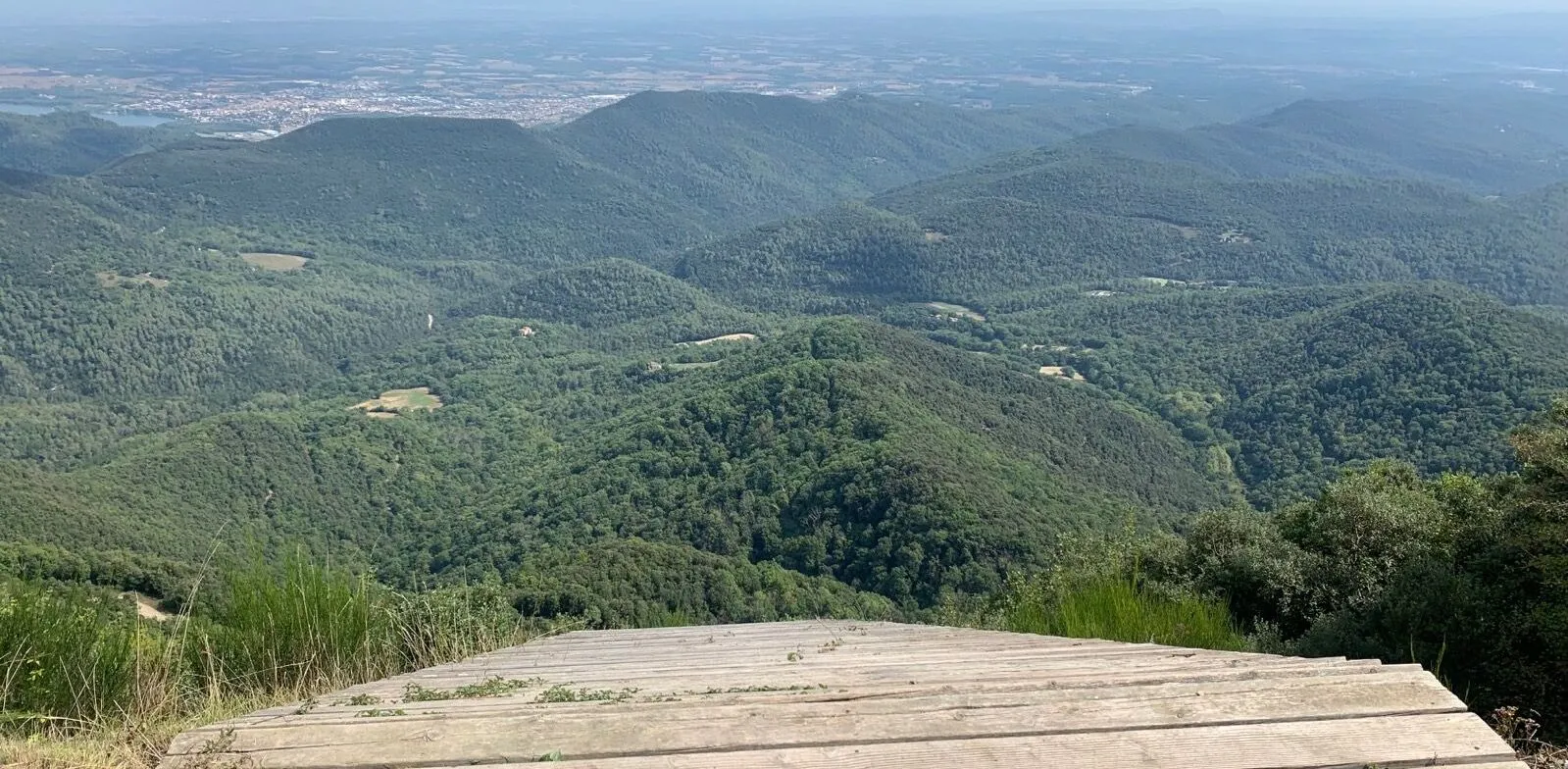
Girona is where a large part of the professional peloton lives. From the old town you reach the Gavarres hills to the south, the Pyrenean foothills to the north and the Costa Brava an hour to the east. Rocacorba is the test climb. Rideable year-round; summer is hot.
Region at a glance
All Routes in Girona & Costa Brava
3 handpicked road-cycling routes in Girona & Costa Brava.
Girona - Sant Martí Sacalm
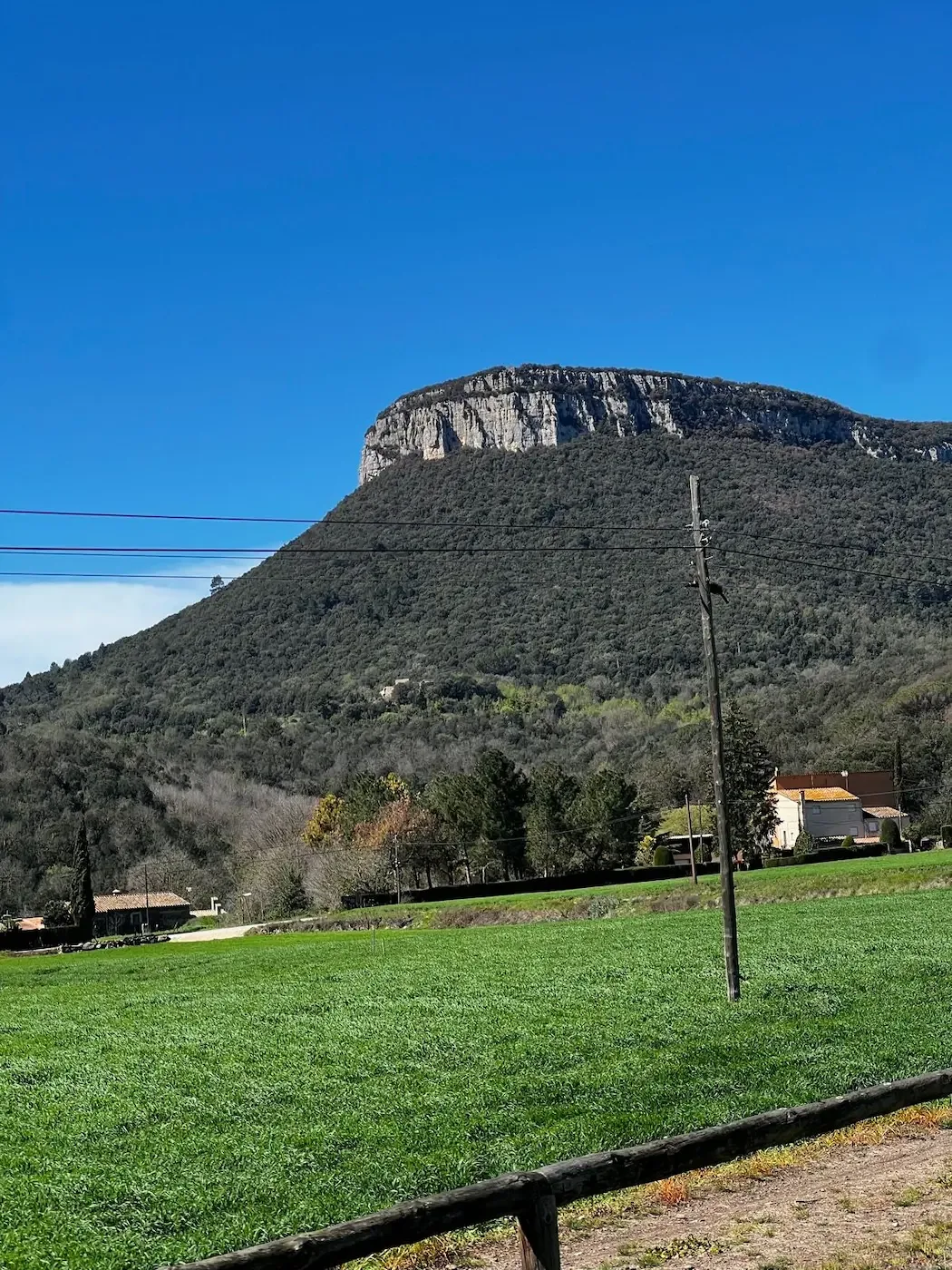
A 90.8 km loop out of Girona into the Guilleries massif, climbing the Pujada a Sant Martí Sacalm for 1,268 m of gain. The classic local rite of passage when the legs are finally ready to go uphill again.
Girona - Banyoles
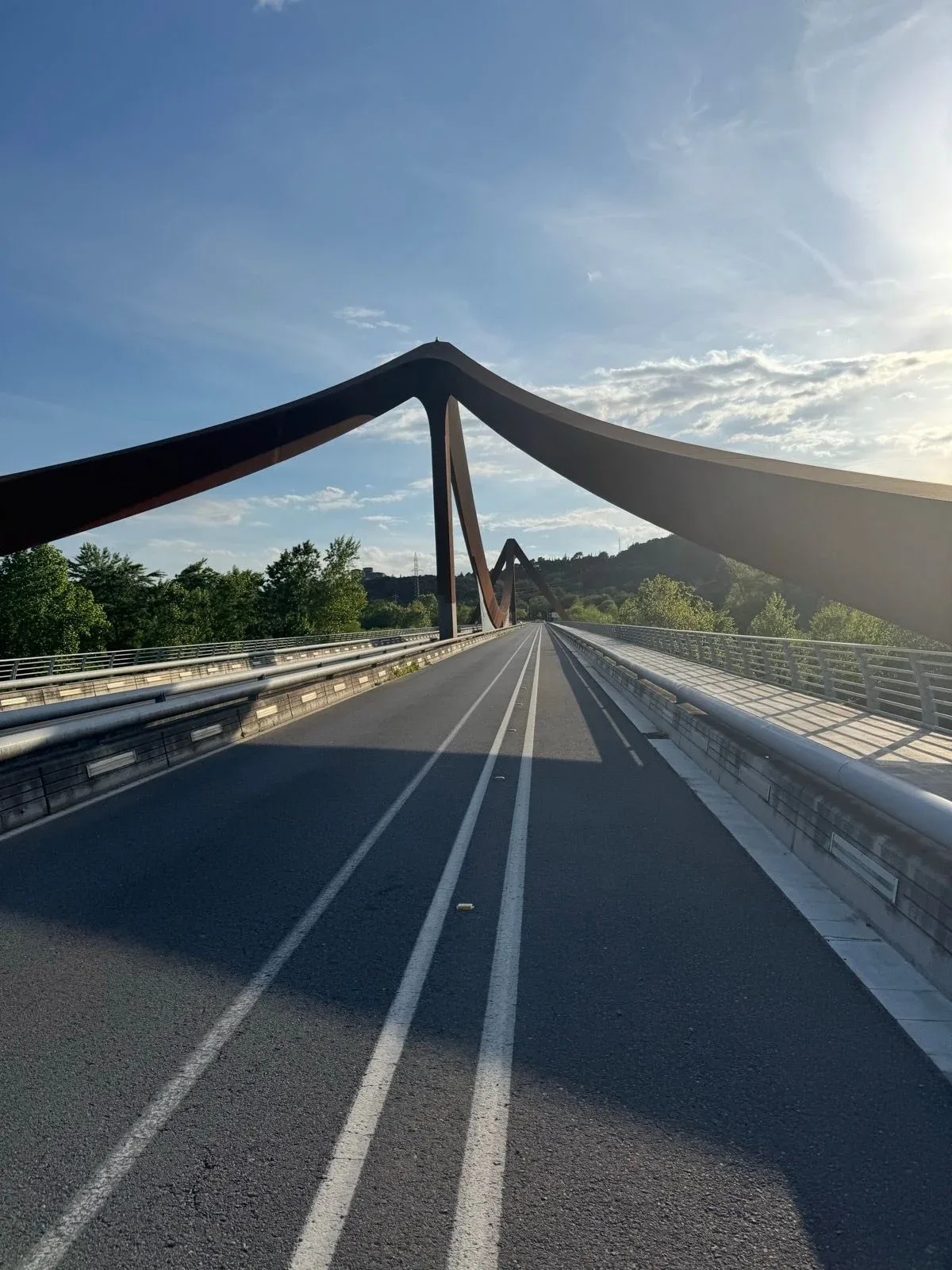
A 48.2 km loop out of Girona with 427 m of climbing, threading quiet farm roads through the Pla de l'Estany to the shore of Lake Banyoles. The classic local spin — light on traffic, heavy on Catalan countryside.
Girona - Rocacorba
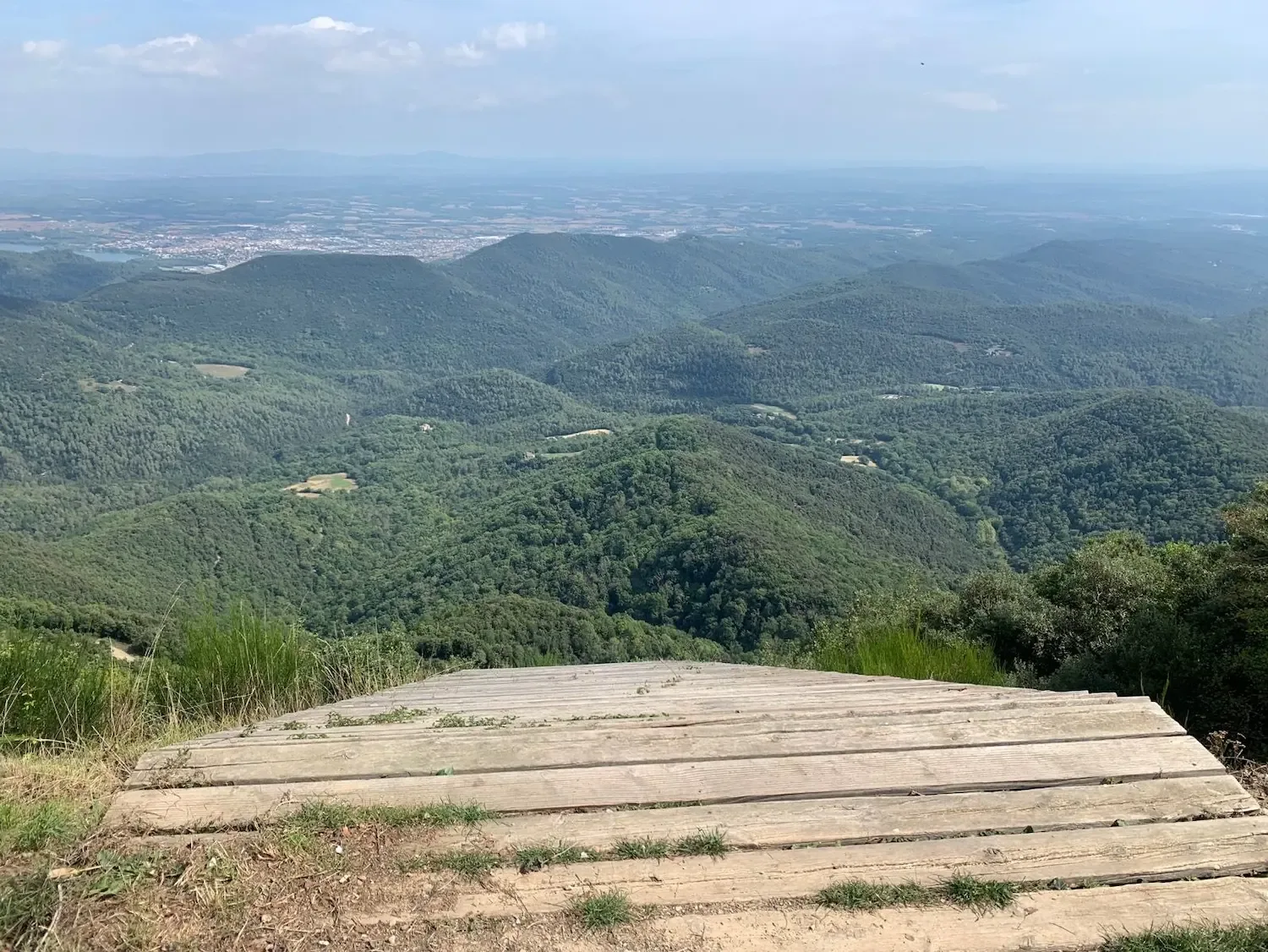
A 70.7 km loop out of Girona with 1,309 m of climbing, built around one of the most talked-about ascents in European cycling: Rocacorba. Quiet farmland roads lead you to the foot of the climb, then it's just you, the gradient and the forest.
Girona is widely considered the cycling capital of the world — and the title is earned rather than marketed. Dozens of WorldTour professionals choose to live and train in this walled medieval city in Catalonia, one hour north of Barcelona. The combination of a compact historic base, dry Mediterranean climate, thousands of kilometres of traffic-free farm roads, a thriving gravel scene and direct access to the Pyrenees makes Girona unique among European cycling destinations.
Read the full guide ↓Show less ↑
The riding is defined by endless rolling country lanes threading between farms, vineyards and cork oak forests, with the Pyrenees rising to the north and the Costa Brava coast to the east. Traffic on the backroads is so light that entire hours pass without a car. Within thirty minutes of leaving Girona itself, the road tilts upward — Els Àngels climbs 10.6 km at 4.8% to a church and panoramic viewpoint, while Rocacorba (the local benchmark climb) rises 10.8 km at 6.6% to a television antenna at 990 metres. Longer days open up Mare de Déu del Mont, a 20-kilometre climb into high mountain scenery, or a run to Santuari del Far overlooking the Selva plains.
The Costa Brava dimension
The coast lies thirty kilometres east of Girona, and it delivers a completely different style of riding. The Costa Brava's jagged coastline, secluded coves and pine forest form a network of road and gravel loops through Sant Feliu de Guíxols, Begur and the Cap de Creus peninsula. A single day can move from inland farm plains to Mediterranean clifftop roads and back — a terrain variety that most European destinations cannot offer from one base.
When to go
Spring (March to May) and autumn (September to October) are the peak seasons. Temperatures sit between 16°C and 24°C, rainfall is low, and the region has well over 200 days of sunshine a year. Winter is mild at the coast (10–14°C) and genuinely rideable — which is why professional teams base here for pre-season training from January onwards. Summer is hot: July and August regularly push past 32°C inland, and local riders either start at first light or head north into the cooler Pyrenees foothills.
Where to stay
Girona's old town (El Barri Vell) is the obvious base. Hotels, short-term rentals and cyclist-specific accommodations sit within ten minutes of the main riding routes. The cobblestone old town has excellent cafés, restaurants and bike shops — La Fabrica, founded by retired professional Christian Meier, is the best-known cyclist café, and several others serve the cycling community daily. Platja d'Aro or Palamós on the Costa Brava coast suit riders who want beach access alongside their riding, with the trade-off of a 30-minute drive to reach the best training routes inland.
A town built on professional cycling
Since the mid-2000s, Girona has hosted a remarkable concentration of professional cyclists. EF Education–EasyPost operates a service course in the city. Dan Martin, Lachlan Morton, Rigoberto Urán, Tejay van Garderen, Michael Woods and dozens of others have called Girona home at some point in their careers. That density shapes the cycling culture: cafés know cyclists, local drivers know cyclists, and the civic infrastructure reflects two decades of professional residency. The Volta a Catalunya — the first stage race of the European calendar — routinely passes through the surrounding hills.
Road and gravel in equal measure
Unlike most European cycling destinations, Girona has a genuinely world-class gravel offering alongside its road riding. The paths, farm tracks and old railway beds around the region add up to hundreds of kilometres of off-tarmac riding. The Traka gravel event — with routes up to 360 km — has established Girona as gravel cycling's European capital. The same tracks are rideable any day of the year.
Practical tips
Village fountains are widely available for water refills, but carry enough for two to three hours between stops if heading into quieter inland areas. Most rural cafés close on Sundays and public holidays — plan accordingly. The backroads are well surfaced but signage in the smaller villages can be sparse; GPS navigation is near-essential for longer routes. The train service between Girona, Figueres, Barcelona and the Pyrenees foothills offers a useful reset if a ride runs longer than planned.
What makes Girona different
Few places in Europe combine Mediterranean climate, pro-level cycling infrastructure and terrain variety — road, gravel, mountain — in one compact base. Girona is where serious cyclists settle. For visitors, the upside is obvious: the local scene has already figured out the best roads, the best cafés and the best routes, and that accumulated knowledge is available to anyone who arrives willing to ride.