Girona - Banyoles
About this Route
← Girona & Costa Brava Cycling GuideA 48.2 km loop out of Girona with 427 m of climbing, threading quiet farm roads through the Pla de l'Estany to the shore of Lake Banyoles. The classic local spin — light on traffic, heavy on Catalan countryside.
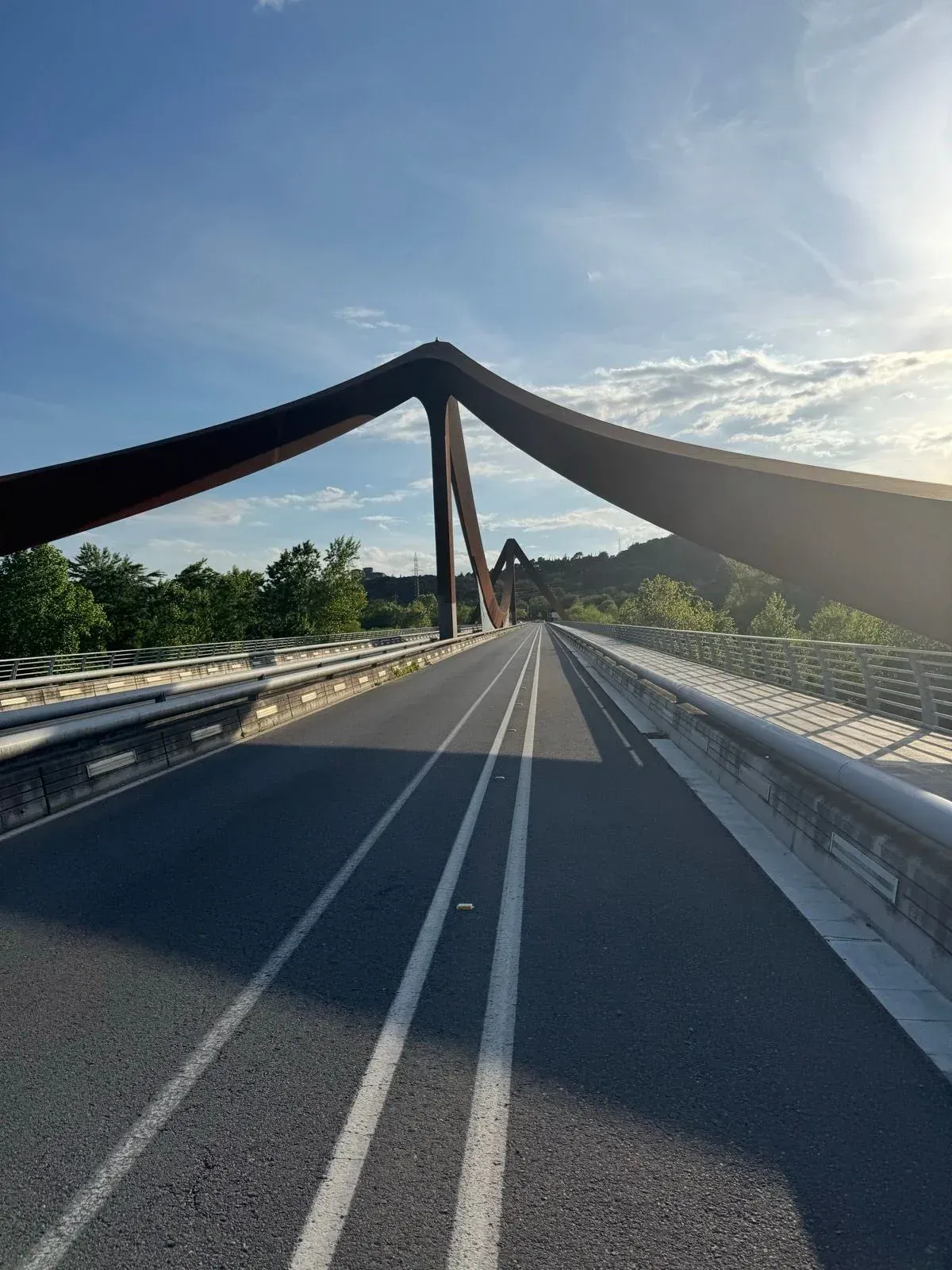
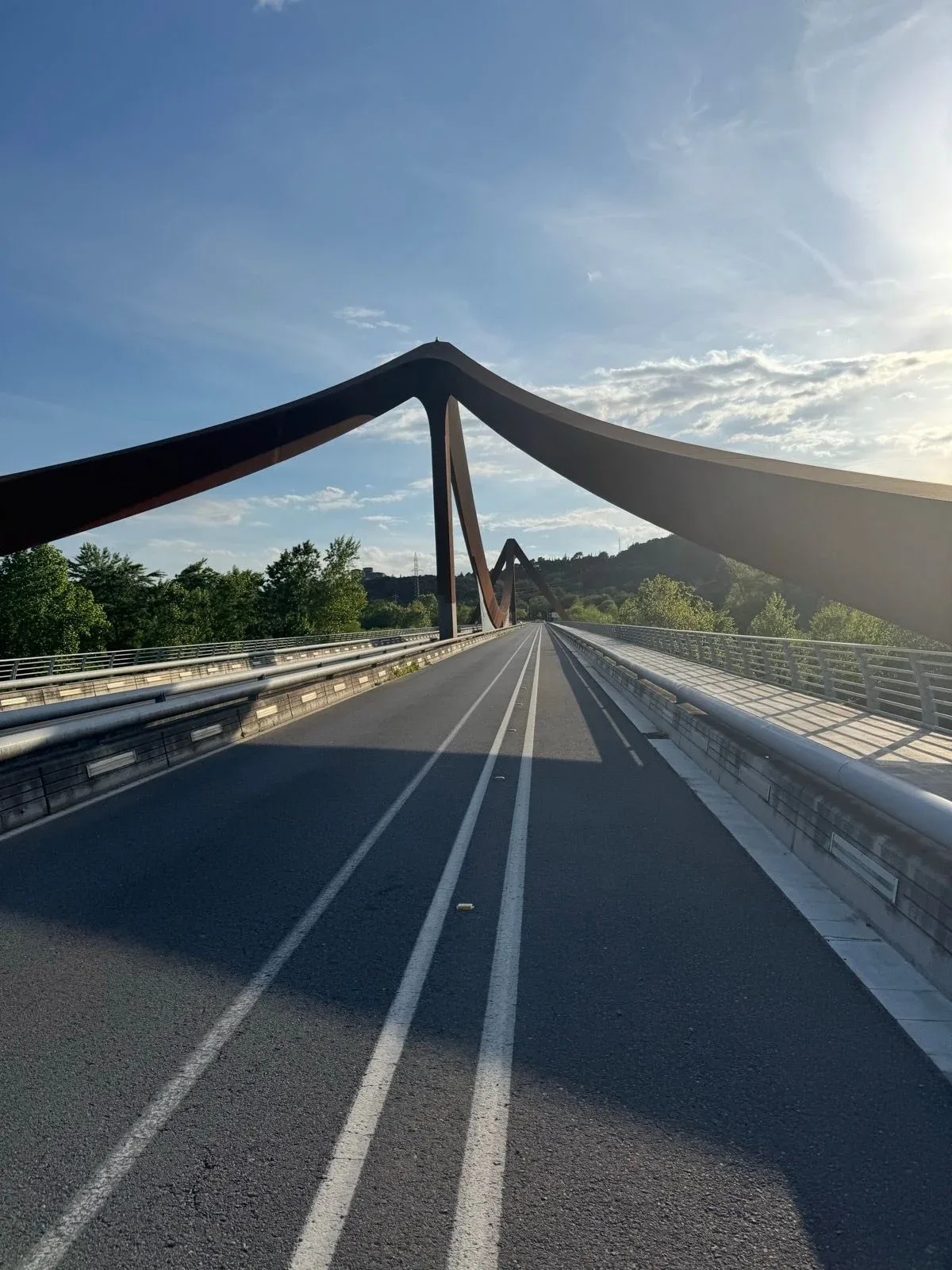
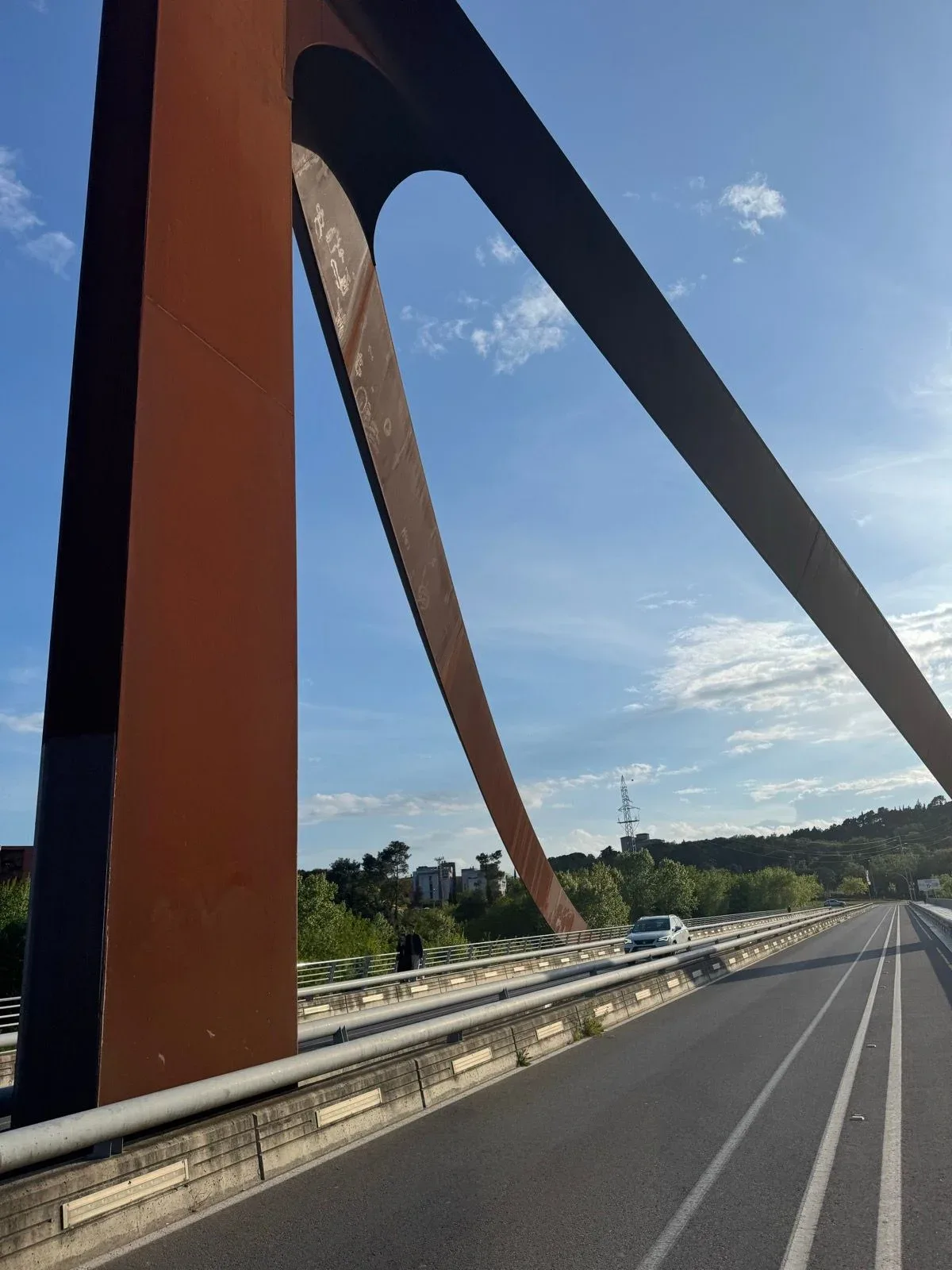
I picked this ride for the simple reason that spring is the perfect time to be on a cycling holiday in Girona, and nothing proves it faster than rolling north out of town over the Pont del Dimoni. The rust-red steel arches swing overhead, the Ter slides past below, and that's the moment the city lets go of you. From there it's a short drag through Sarrià de Ter and up the little ridge at Sant Julià de Ramis, where the traffic thins out for good.
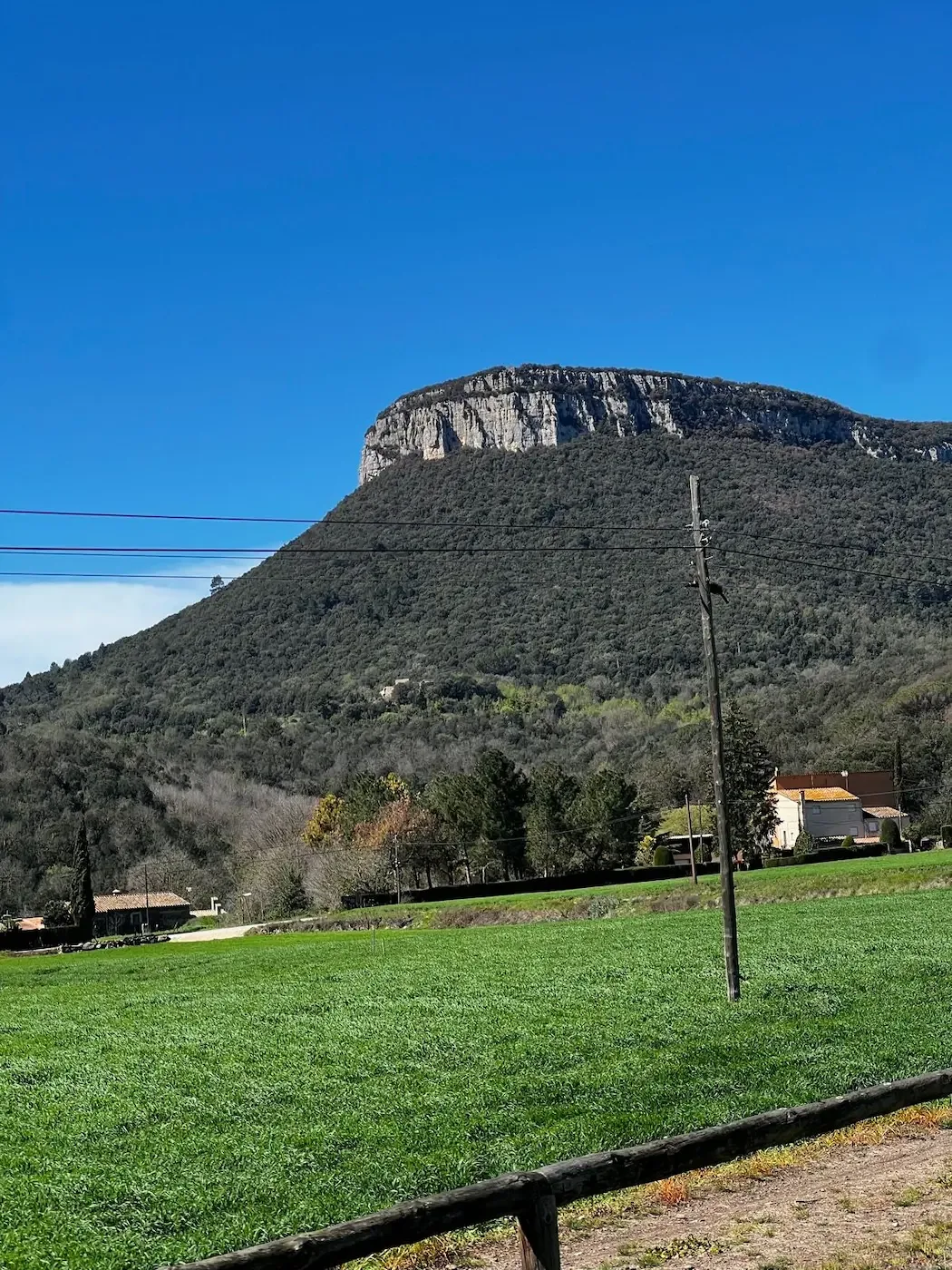
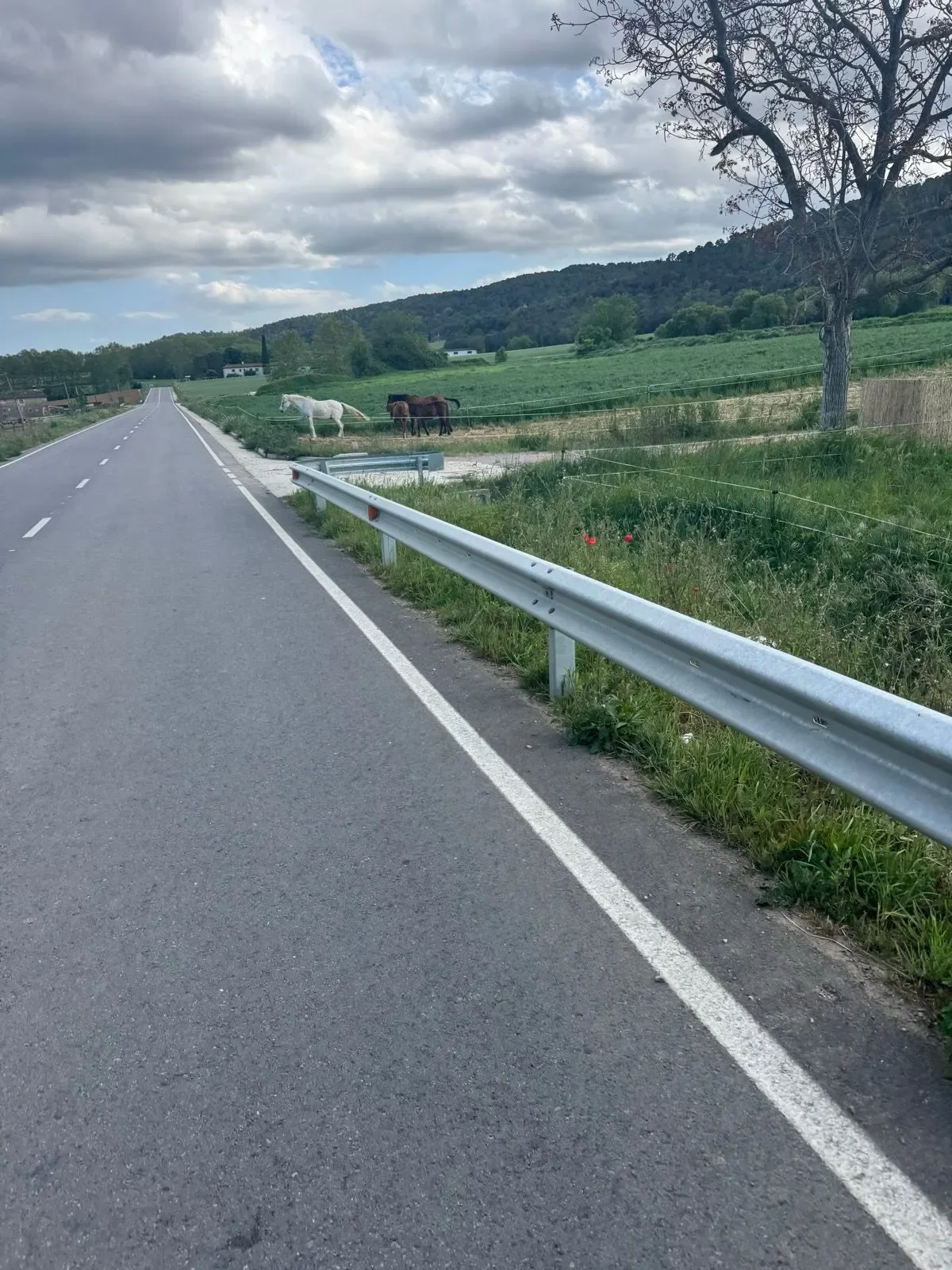
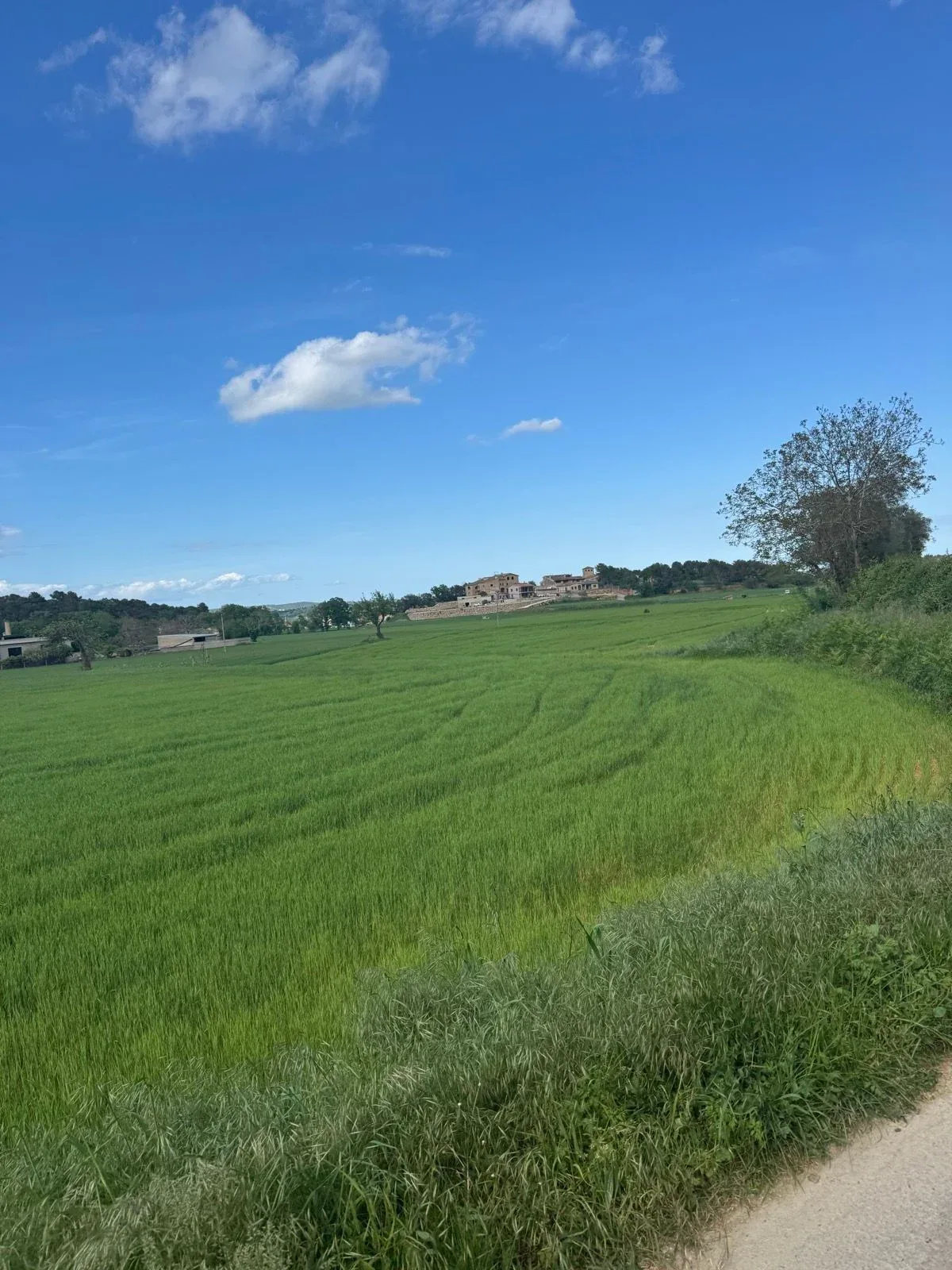
Once you're over the top the Pla de l'Estany opens up. Patchwork cereal fields, alfalfa, the odd paddock with horses standing right against the guardrail. Stone masies sit up on the low ridges like they've been there forever, and on a clear morning the Pyrenees are a blue smudge to the north. The tarmac on these GI- roads is the kind local pros use for a reason — smooth, quiet, and rolling just enough to keep the legs honest without ever turning into a proper climb.
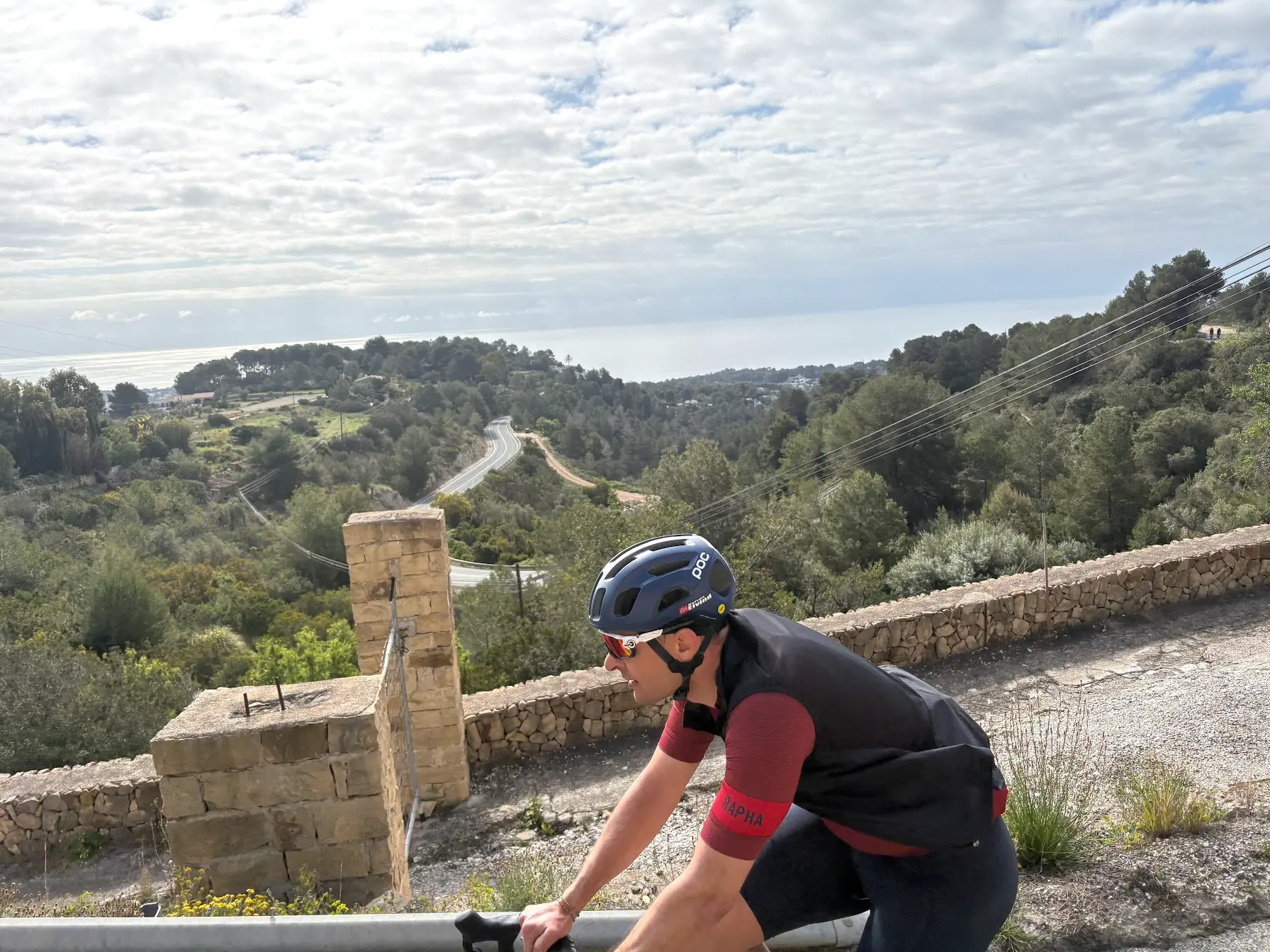
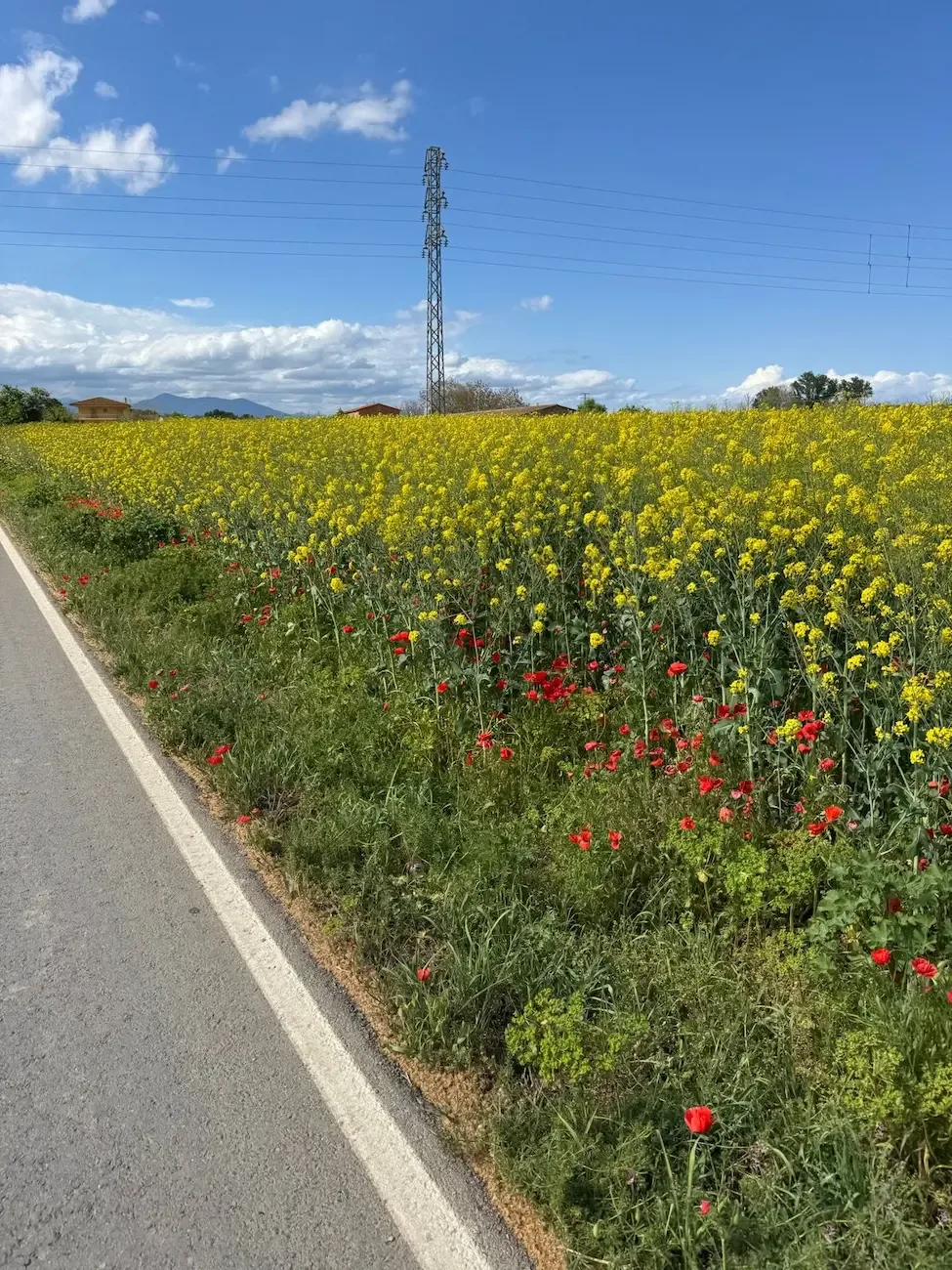
The run-in to Banyoles is my favourite stretch. Pine-capped hills, verges crowded with poppies and wild mustard in April, the warm-hay smell you only get in Catalonia in spring. Then the road drops you at Llac de Banyoles, the biggest natural lake in Catalonia and the rowing venue from the '92 Barcelona Olympics. I usually roll a slow lap along the Passeig Darder and stop at one of the terraces with a view over the water — espresso, a bit of sun on the face, watch the rowers, and then clip back in.
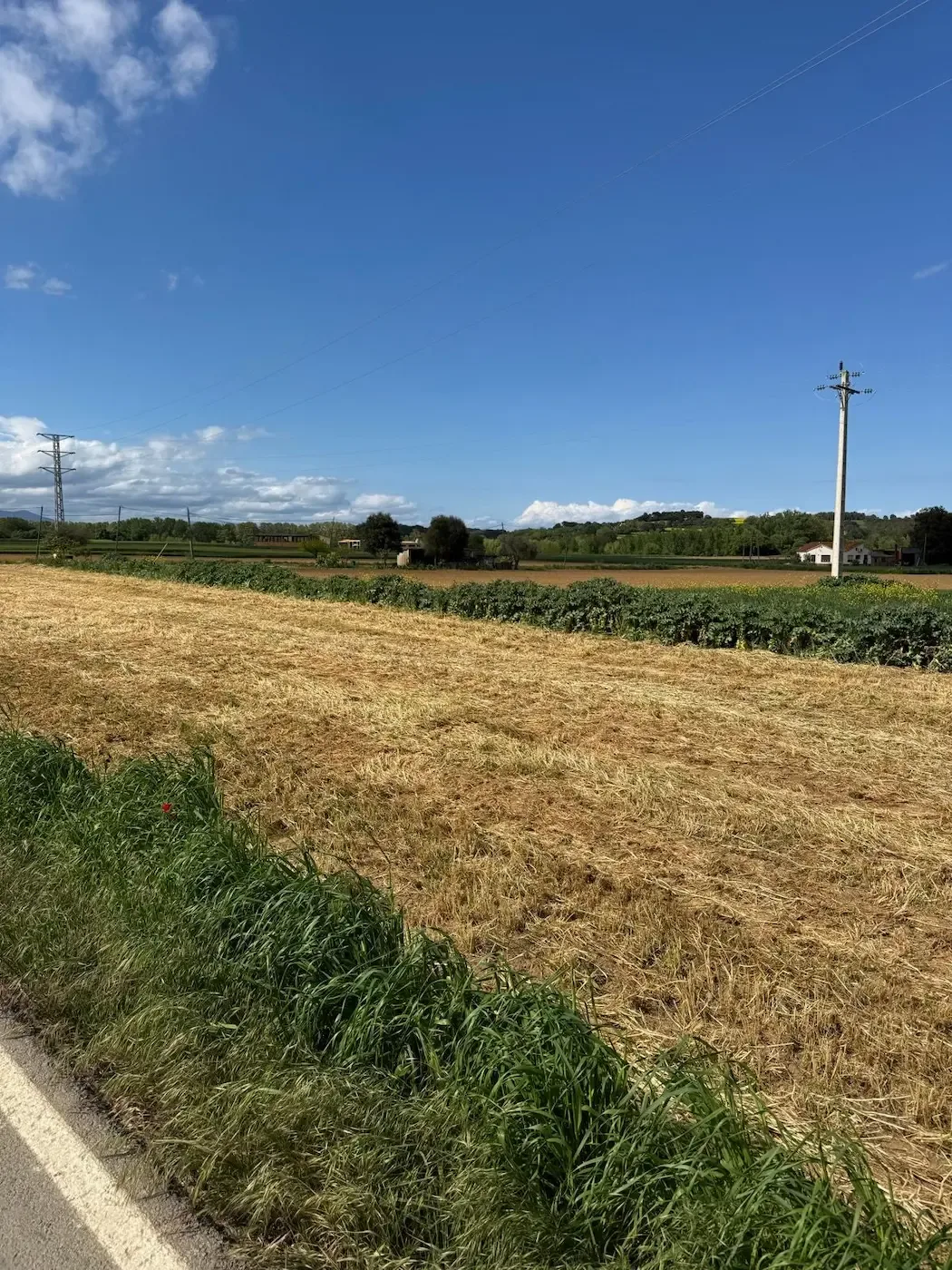
The return leg is softer, more pastoral. You cut back through small villages on the Ter-side plains, past harvested golden fields butting up against still-green wheat, and eventually the Girona skyline and the cathedral reappear on the horizon. There's a bit of a sting in the last rollers if you've been pushing, but nothing that needs a plan — just settle in and spin it home.
Back in town the ritual writes itself. Cross the river, drop the bike, and walk to La Fabrica or Espresso Mafia in the old town for the flat white that everyone who's ever ridden out of Girona ends up ordering. 48 kilometres, just over 400 metres of climbing, and one of the most honest introductions to why riders keep coming back to this corner of Catalonia.

Kilometre by Kilometre
Across the rust-red steel arches of the Pont del Dimoni, the Ter sliding below, and north through Sarrià de Ter. A short ridge at Sant Julià de Ramis shakes out the legs and the traffic drops away as soon as you're over the top.
Patchwork cereal fields, alfalfa, stone masies on low ridges, horses right against the guardrail. The GI- secondary roads are smooth and quiet — the kind of tarmac local pros ride for a reason. On a clear morning the Pyrenees smudge the northern horizon.
Pine-capped hills, verges thick with poppies and wild mustard in spring, the warm-hay smell that belongs to Catalonia in April. The road drops you at the edge of Llac de Banyoles — the biggest natural lake in Catalonia, the rowing venue from the 1992 Barcelona Olympics.
Roll a slow lap along the Passeig Darder and stop at one of the waterfront terraces. Espresso, a bit of sun on the face, rowers cutting lines on the lake. The traditional mid-ride pause before clipping back in.
Softer, more pastoral than the outbound. Small villages, harvested golden fields against still-green wheat, the Girona skyline building slowly. A sting in the last rollers before the Onyar bridges reappear and the old town takes you back.
Gallery
Route map & elevation profile
Highlights
- •The Llac de Banyoles is the largest natural lake in Catalonia and hosted the rowing events at the 1992 Barcelona Olympics. A slow lap of the Passeig Darder promenade, with the Pyrenees on the horizon, is the natural turnaround point.
- •The Pont del Dimoni — the rust-red 'Devil's Bridge' over the Ter, designed by Ricardo Bofill — is the gateway out of Girona. Crossing it immediately swaps the medieval city for open farmland.
- •The Pla de l'Estany is a patchwork of cereal fields, farmhouses, and quiet GI-roads with minimal traffic. In spring the verges fill with poppies and the air smells of hay — a landscape Girona locals rely on for a perfect April morning.
- •At 48 km and just over 400 m of climbing, this is the region's go-to loop. No categorised climbs, no punishing gradients — ideal for a recovery day, a first ride in the region, or a social spin.
- •The route bookends well: coffee among the pro peloton in Girona's old town, a lakeside terrace at Banyoles halfway, and La Fábrica waiting at the finish.
Must know
- ⚠This is an easy, rolling loop. 48 km with just over 400 m of climbing and no categorised ascents. It suits a recovery day or an easy entry point to Girona riding. Expect 2 to 2.5 hours at a steady pace.
- ⚠Cafe Aquarium on the Passeig Darder in Banyoles (~km 24) is your natural mid-ride stop — a lakeside terrace, open daily. Refuel here before the return leg.
- ⚠The route is 100% tarmac. It is not the Via Verde de Banyoles, which is a separate gravel path. A standard road bike is all you need.
- ⚠Pla de l'Estany is exposed farmland with little shade. On hot summer days, start early and carry water — the riding is easy, but there is nowhere to hide from the sun.
- ⚠April to June and September to October are the prime months. Spring brings poppies and clear mountain views; autumn offers quiet roads and mild temperatures.
- ⚠If you're after the Girona climbs, this isn't it. Save Rocacorba and Sant Martí Sacalm for your harder days; Banyoles is the rest-day companion.
Café & Water
- km 24Cafe Aquarium
The go-to stop on the loop. A large terrace right on the Passeig Darder with a view of the lake. Open daily and a long-established cyclist spot — you won't be the only bike parked outside.
- km 48La Fábrica
Girona's most iconic cycling café and the perfect end to the ride. Full food menu, and on weekday mornings, you'll often find pro riders at the next table.
Frequently asked questions
- How difficult is the Girona Banyoles loop?
- Easy. 48.2 km with 427 m of climbing and no categorised ascents. It's a rolling ride on quiet farm roads, perfect for recovery days or beginners. Fit riders complete it in 2 to 2.5 hours.
- What is the Llac de Banyoles?
- Catalonia's largest natural lake, located about 20 km north of Girona. It famously hosted the rowing events at the 1992 Barcelona Olympics. A lap of the promenade is the halfway highlight.
- Is it suitable for beginners?
- Yes. No categorised climbs, low traffic, and manageable distance. It's a popular social route. The only real factor is summer heat on the exposed farm roads.
- When is the best time to ride?
- April–June and September–October. Spring provides poppies and clear mountain views; autumn is quiet and mild. Summer is rideable but gets hot in the farmland — start early.
- Where can I get food and water?
- Cafe Aquarium in Banyoles (km 24) is the reliable mid-ride stop. La Fábrica in Girona is the post-ride destination. Girona's old town also offers plenty of options, including Espresso Mafia, before you head out.
- How do I get to Girona?
- High-speed AVE train from Barcelona (35–40 mins). By car, it's 100 km northeast via the AP-7. The route starts at Pont del Dimoni, a short ride from the old town.
Know a better line?
Submit your local route and get featured with your own author profile, Strava, Instagram and Buy Me a Coffee link.
Share a Route → →