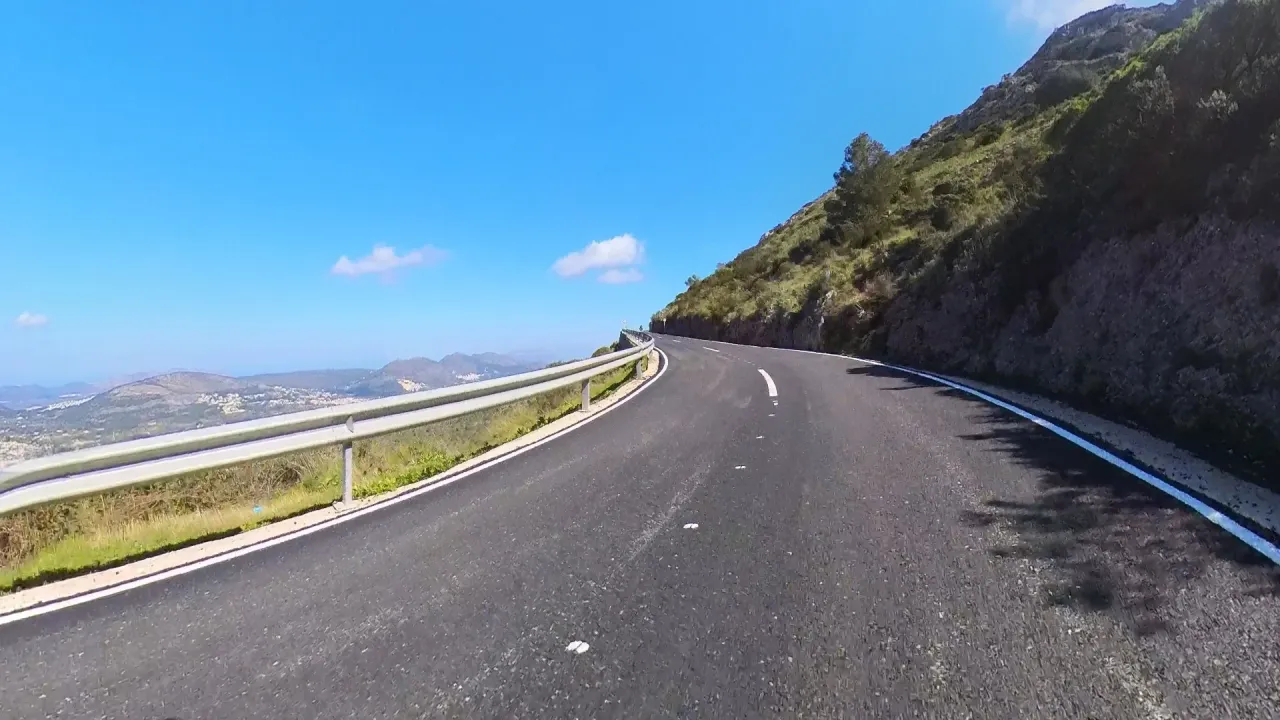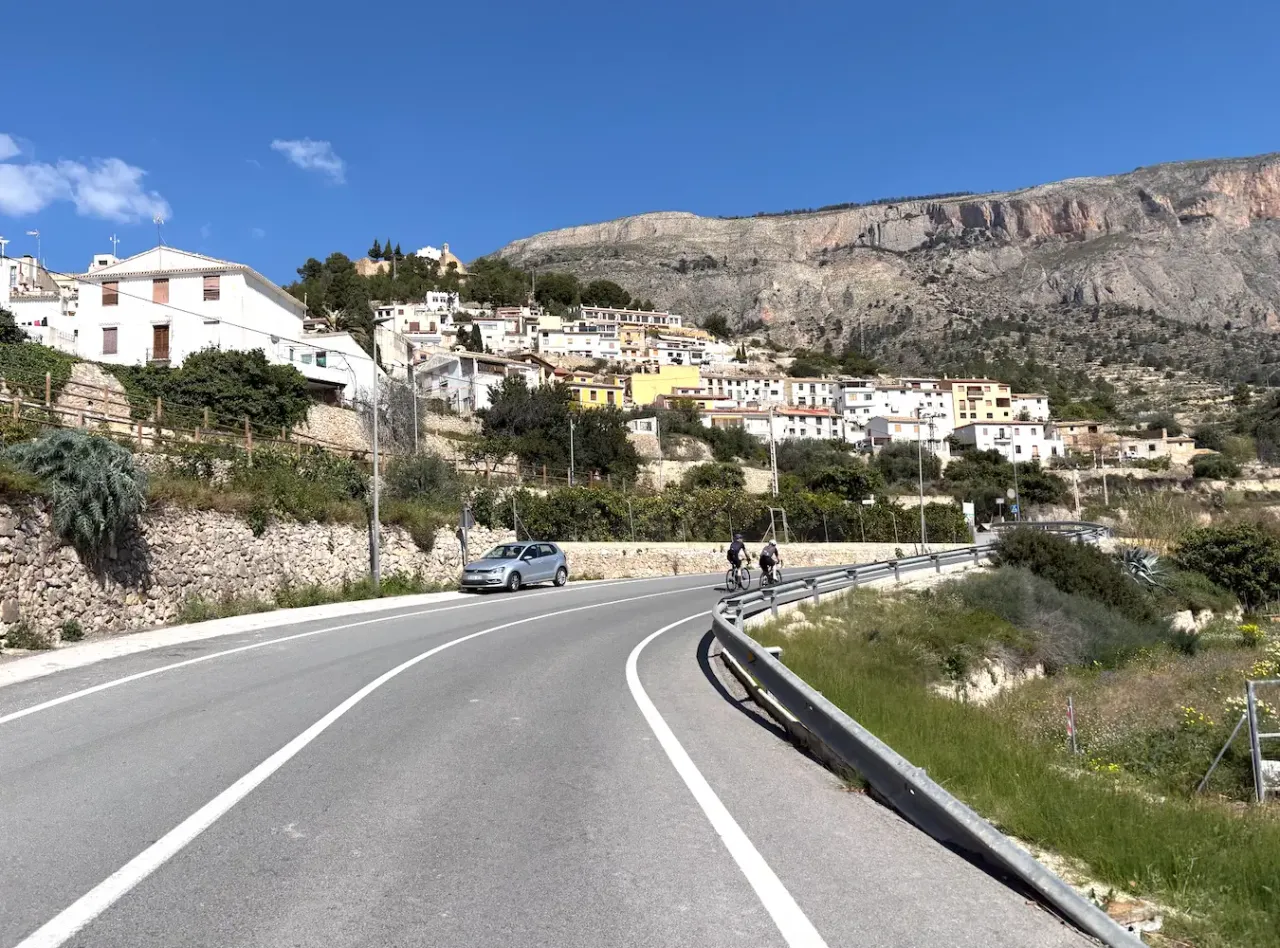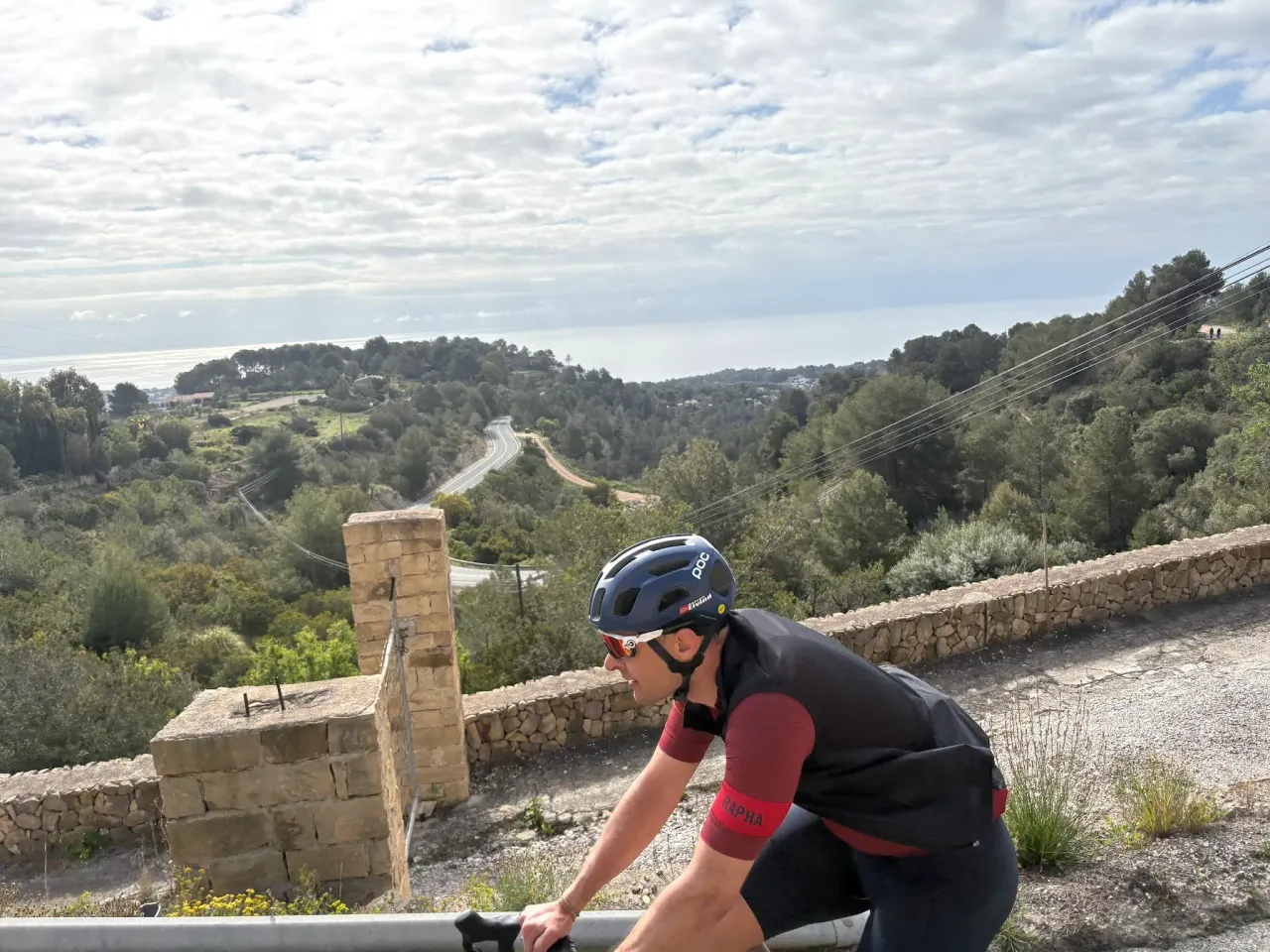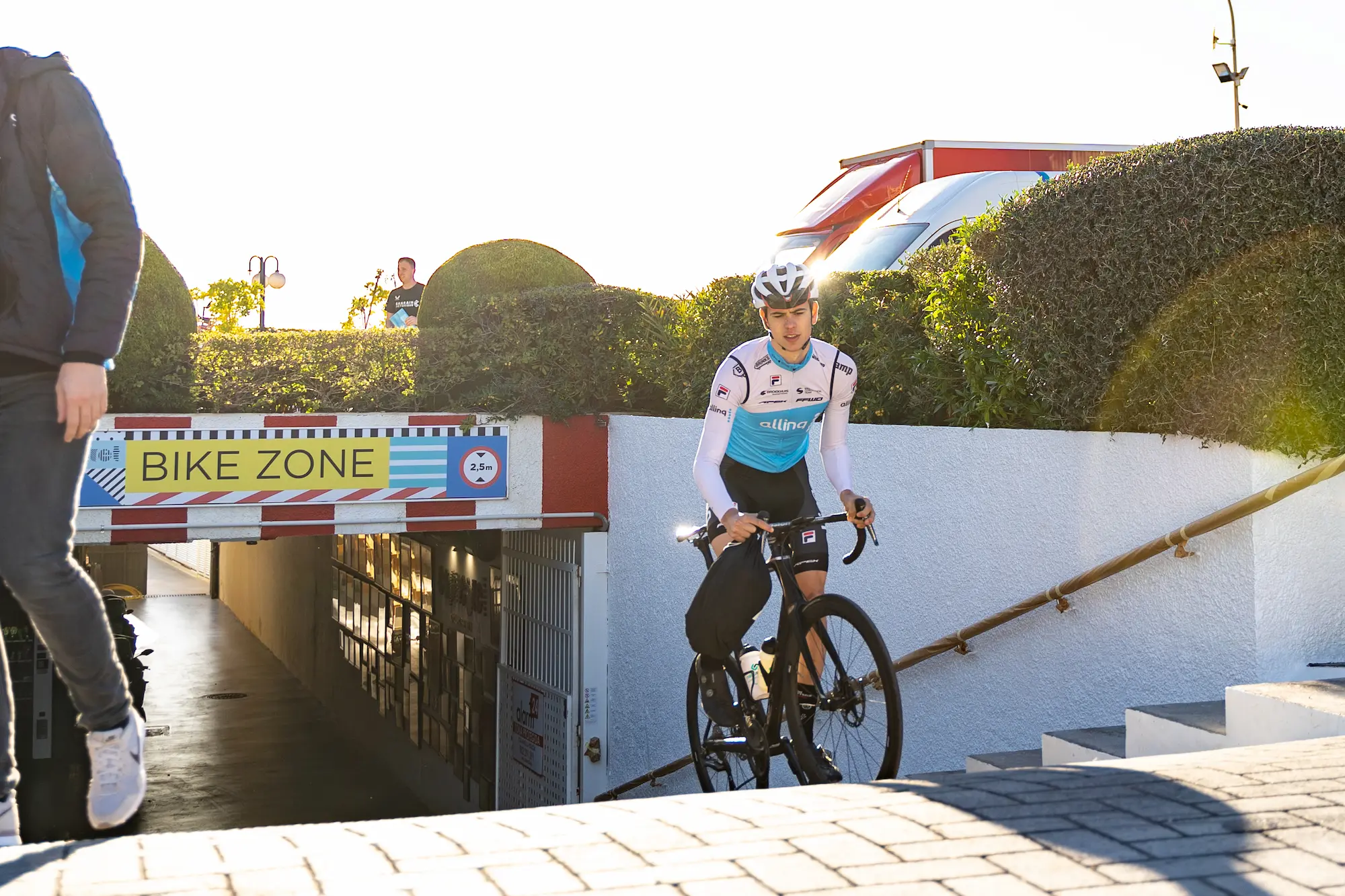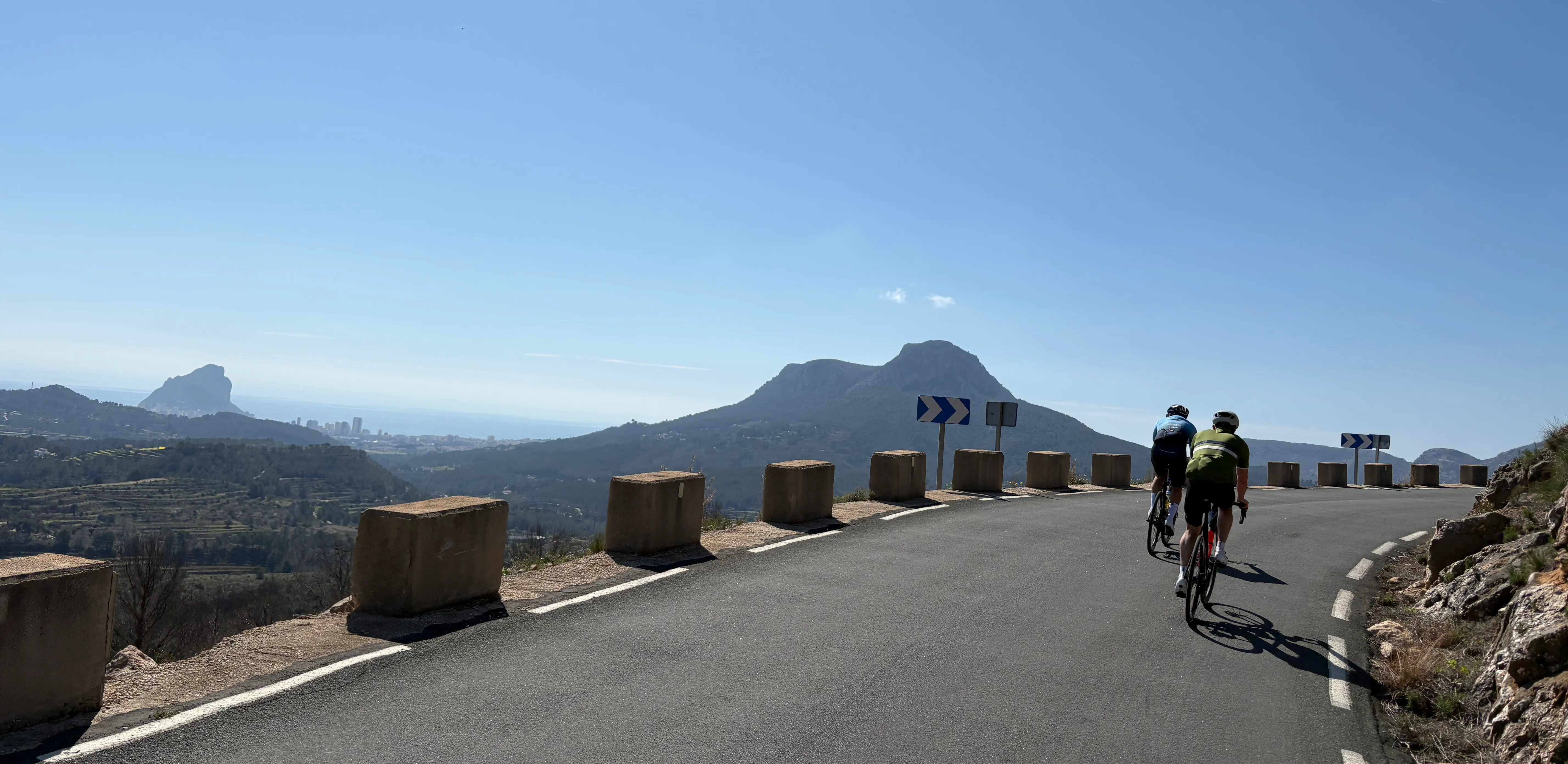
Cyclist on the Coll de Rates climb above the Jalón valley on the Costa Blanca 5-day intermediate trip

Costa Blanca 5-Day Intermediate Cycling Trip

Base location: Calpe
435 km7,894 m5 days

Written by Tommy NielsenCycling guide based in Norway

This itinerary reflects my own riding on Costa Blanca

Who is this trip for?

  • Comfortable with 100 km days at 1,500–2,500 m elevation
  • Looking for a mix of climbing icons and recovery
  • First-time Costa Blanca cyclist with no reference rides

Before your trip

Five days from Calpe, the limestone tower of Peñón d'Ifac visible on the way out and on the way back every day. Costa Blanca is Mallorca's quieter neighbour — the same October-to-May climate window, the same steep limestone climbs, but a different feel: less of the high-season cycling crowds, more inland riding through wine country and almond groves, and a base town that's compact enough to walk end-to-end after dinner. Calpe works because the climbs all radiate out from one valley system. Nothing further than two hours' riding to reach.

The week opens short and sharp. Cumbre del Sol on arrival day — 3.67 kilometres at 9.6% average, with ramps past 15%. A Vuelta a España summit finish in 2015 and 2017, where Dumoulin and Froome traded the win two years apart. The full ride is only 43 kilometres, but the climb earns the difficulty rating before you've unpacked properly.

Day 2 is Coll de Rates — the climb that headlines every Costa Blanca cycling itinerary, with three categorised efforts in 117 kilometres. Day 3 is the queen stage: Port de Tudons stretches 15.2 kilometres, the longest sustained climb in the region, with Puerto de Confrides as the punchy finisher after a high-plateau crossing. Day 4 deliberately steps back — 41 kilometres into the Xaló valley, with Velosol in Xaló as the destination café and a recovery rhythm that actually recovers. Day 5 closes with Port de la Vall d'Ebo, the climb I'd put alongside Tudons as the best in the area.

Two epic days, two hard days, one moderate. 435 kilometres total, 7,894 metres of climbing.

Each day's route has its own full guide on this site with elevation profile, GPX download and kilometre-by-kilometre breakdown. Use the trip page as the structure; use each route page as the field reference.

Distance
435 km
Elevation
7,894 m
Days
5 days
Difficulty
Intermediate
Best months
March, April, May, October, November
Base location
Calpe

Trip overview map

Map loads when you scroll here.
  • Day 1:Hard
  • Day 2:Hard
  • Day 3:Queen
  • Day 4:Rest
  • Day 5:Hard

5-day itinerary

Cycling up Cumbre del Sol, Calpe Costa Blanca — Vuelta a España climb above the Mediterranean
1
Day 01 / 05
HardCalpe — Cumbre del Sol

Arrival opener — Cumbre del Sol

Distance
43km
Elevation
857m
Profile

43 km / 857 m on the coast and the climb that Vuelta a España made famous. Roll north from Calpe along the coast road to Moraira and Benitachell — Peñón d'Ifac visible behind you the whole way out. Then Cumbre del Sol: 3.67 kilometres at 9.6% average with ramps past 15%, the climb where Dumoulin and Froome traded the Vuelta win in 2015 and 2017. Short on the map, but the climb earns the difficulty rating before you've unpacked properly.

We rode this on arrival day in March 2026 — same morning the bike came out of the box. The first 17 kilometres are the right shakeout: the coast road from Calpe toward Moraira rolls above the sea on smooth tarmac, drivers give you space, and Peñón d'Ifac dominates the skyline behind you all the way to Benitachell. Light drizzle that morning kept the temperature perfect and the road quiet.

Then Cumbre del Sol begins.

The numbers I'd read — 9.6% average, ramps past 15% — stop meaning much when the road simply goes up in front of you. There are no switchbacks to break the gradient and no relief sections. I went straight to the easiest gear and stayed there.

What saves you, briefly, is the view. Partway up, Calpe opens out below: the town, the harbour, the great rock rising from the sea. It's the kind of view that stops you mid-effort.

The summit is signed for the Vuelta finish line. There's a marker for both edition winners — Dumoulin 2015, Froome 2017 — and a small café you'll want before the descent back to Calpe. The right ride for arrival day if you want to know what Costa Blanca climbs feel like before Day 2 lands.

Cycling Coll de Rates, Costa Blanca Spain — 6.43km at 5.5%, Category 2, Pogačar KOM 11:51
2
Day 02 / 05
HardCalpe — Coll de Rates

Coll de Rates classic

Distance
117km
Elevation
2,054m
Profile

117 km / 2,054 m. The benchmark Costa Blanca day. Three climbs from Calpe: La Fustera as the warm-up, Port de Bèrnia as the underestimated middle effort (final 3 km kicks to 9% with ramps touching 15), and Coll de Rates itself — Pogačar's winter KOM 11:51, the climb every cycling itinerary on the Costa Blanca builds towards. Café at the summit is a regional institution.

This is the day every Costa Blanca cycling community member already knows. We rode it in March 2026 and it confirmed the reputation.

La Fustera catches you almost immediately out of Calpe — a Category 3 climb that feels anything but minor. Steady, consistent gradient, with sweeping bends that carry you upward before the views arrive. Around halfway up, the road opens onto what feels like a balcony: Calpe and the Mediterranean below you, riders behind you visible on the road beneath your wheels.

Port de Bèrnia is the climb the average gradient hides. The number on paper looks manageable, but that average folds in a long stretch of false-flat lower down. The real climbing arrives in the final three kilometres, averaging close to 9% with ramps touching 15. I rarely see this on the Costa Blanca, but I passed a cyclist walking up that section. The pass at the top earns the suffering — the entire coastline laid out below, dramatic limestone cliffs on both sides.

The descent into the Jalón valley is fast and rewarding. Coll de Rates from the south side — 6.4 kilometres at 5.5% — is steady, almost metronomic. Pogačar set the Strava KOM at 11:51 in winter training. The café at the summit is the natural stop before the descent back toward Calpe through Tàrbena.

Cycling Port de Tudons, Costa Blanca Spain — 15.2km Category 1 climb to 1025m above Calpe
3
Day 03 / 05
Queen StageCalpe — Port de Tudons & Puerto de Confrides

Queen stage — Tudons and Confrides

Distance
118km
Elevation
2,168m
Profile

118 km / 2,168 m. The Costa Blanca queen stage. Coast through Altea to Finestrat (coffee at Bar El Cantonet), then Port de Tudons — 15.2 kilometres long, the most sustained climb in the region. The climb plays in two acts: 11 kilometres of steady rhythm, then a final four where the gradient ramps and the silence takes over. Summit at 1,025 metres. Across the high plateau to Benasau, then Puerto de Confrides as a punchy 5.4 km finisher with ramps over 15%.

The queen stage. Three categorised climbs but only two that matter — Tudons and Confrides — separated by some of the quietest road riding on the Costa Blanca.

The first 35 kilometres roll southwest from Calpe through Altea and into the foothills. We stopped at Bar El Cantonet in Finestrat for coffee before the real climbing began. A good call — Tudons demands respect from the first kilometre.

The climb itself is 15.2 kilometres, and it plays out in two acts. The first 11 kilometres are steady and manageable: a rhythmic effort through small villages and open hillsides, the views opening progressively as you gain height. There were a lot of cyclists on the road that day, which made the pacing easier. Then the final four kilometres become a different ride: the gradient ramps up, the landscape goes wilder, the trees close in, and the silence takes over. By the time the summit at 1,025 metres arrives, you have earned it.

The descent from Tudons and the ride across the high plateau toward Benasau is one of the quiet highlights of the week. We stopped at Nou Serrella in Benasau before Confrides — short but punchy after Tudons, 5.44 kilometres with ramps exceeding 15%. The descent back to Calpe is long and rewarding.

This is the day every Costa Blanca week is built around.

Cycling through the Xaló valley near Calpe on the Costa Blanca
4
Day 04 / 05
RestCalpe Cycling — Xaló Valley & Velosol Loop

Recovery — coffee at Velosol

Distance
41km
Elevation
613m
Profile

41 km / 613 m. The recovery day done properly. La Fustera is the only real effort — familiar from Day 2, 4 kilometres at 4.9% that warms the legs without spending them. From the top, the road drops into the Xaló valley: vineyards, almond groves, smooth tarmac through quiet rolling country. Velosol in Xaló is the destination — proper cycling café with a fully stocked bike shop, the kind of place you arrive intending to stay twenty minutes and end up sitting for an hour. Return via Senija to Calpe.

This is the recovery day after Tudons. The shape of the ride is honest about what it is — short, manageable, no surprise gradients and no half-promises that turn into 1,200 metres of climbing.

La Fustera comes immediately out of Calpe. You did it on Day 2; the legs recognise the rhythm. From the top, the road opens into the Xaló valley.

The Xaló valley is everything the reputation suggests. Long, straight roads through vineyards and almond groves, rolling terrain that lets you settle into a rhythm and actually enjoy the surroundings. The valley has a calm, unhurried quality — quiet roads, good tarmac, the mountains framing the horizon on both sides. Easy kilometres in the best possible sense.

Velosol in Xaló is the destination, and it delivers. Proper cycling café — good coffee, good food, and a shop stocked with everything you could possibly need on a bike. The kind of place where you arrive intending to stay twenty minutes and end up sitting for an hour. Cycling memorabilia on every wall, cyclists from across Europe at every table.

The return to Calpe via Senija is quick and enjoyable — a short climb before the road drops back toward the coast and home. Take more time at Velosol than you think you need. Save the legs for tomorrow.

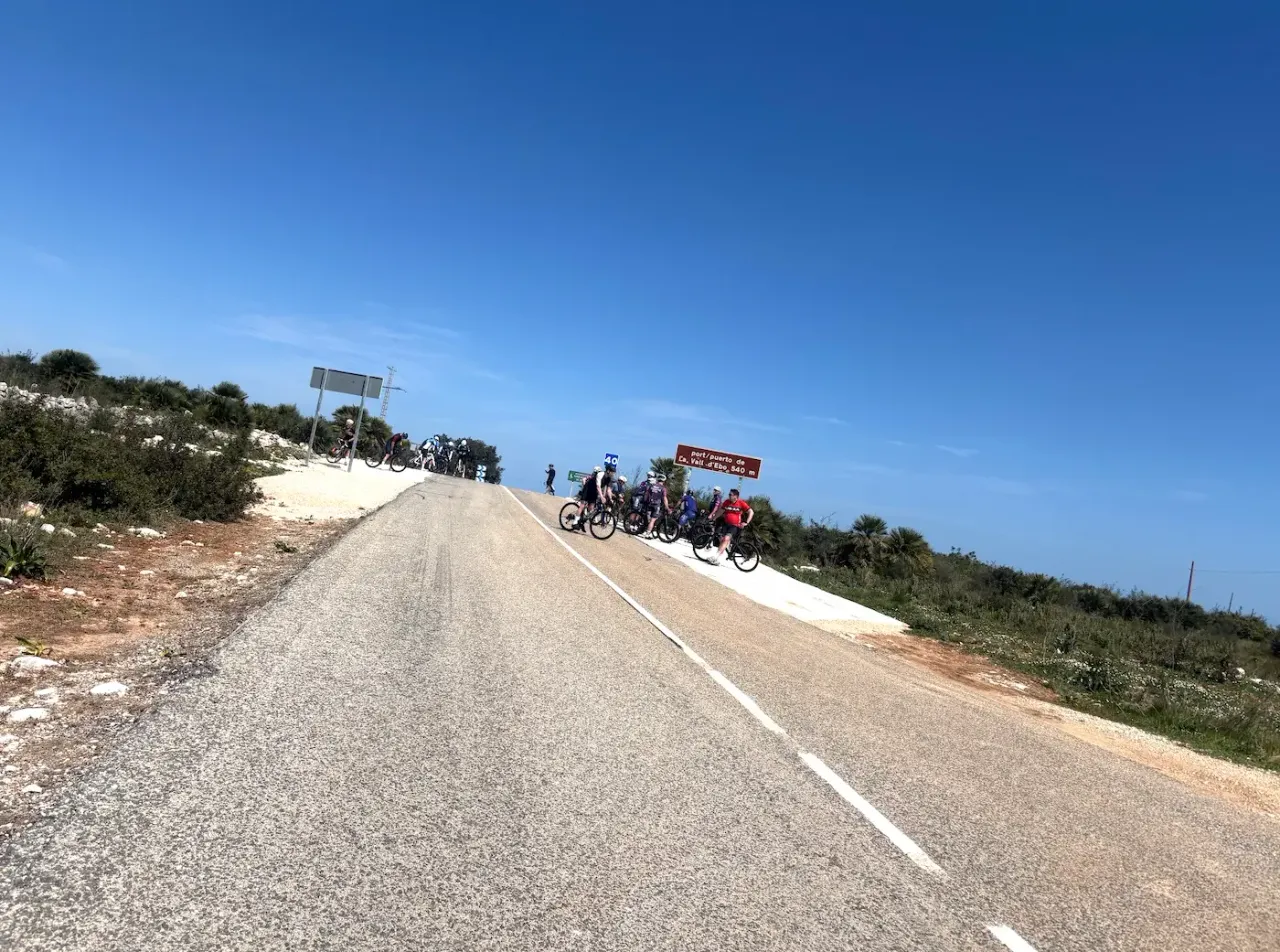
Vall d'Ebo summit, Costa Blanca Spain — Category 2 climb with panoramic views over the limestone peaks
5
Day 05 / 05
HardCalpe — Vall d'Ebo & Castell de Castells

Vall d'Ebo finale

Distance
116km
Elevation
2,202m
Profile

116 km / 2,202 m. The final hard day. Northwest from Calpe through the Jalón valley wine country — Llíber, Xaló, Alcalalí — to Pego and the foot of Port de la Vall d'Ebo. The climb itself is the one I'd put alongside Tudons as the best in the area: switchbacks through pine forest, views back down the valley, an honest gradient that varies enough to stay interesting. Alto de Castell de Castells follows, then the long descent through Tàrbena back toward Calpe.

We rode this with two friends in late March 2026 and it turned out to be one of the best days of the trip.

The route heads northwest from Calpe through the Jalón valley wine country — Llíber, Xaló, Alcalalí — before turning north toward Pego. We stopped at Velosol in Xaló on the way out: two coffees and a sandwich before the serious riding. The right call. Vall d'Ebo was still an hour away, but it pays to arrive at a big climb with something in the tank.

Port de la Vall d'Ebo from Pego is, simply put, my favourite climb on the Costa Blanca alongside Tudons. It has everything. Switchbacks winding up through pine forest. Views back down the valley toward Pego and the Mediterranean beyond. Flat sections mid-climb where you can lift the tempo and breathe. The gradient is honest — tough enough to demand respect, varied enough to stay interesting all the way to the summit. If you ride one climb in the area, make it this one.

Alto de Castell de Castells follows — shorter, less dramatic, a connector more than a destination. We did not stop in the village that day. But what comes next more than compensates: the descent from Castell de Castells toward Tàrbena, and then the long roll back toward Calpe through Lliber and Benissa.

A fitting close to the week.

Download GPX files

Frequently asked questions

When is the best time for this trip?

October through May is the climate window. The sweet spot is March through May or late September through November — temperatures in the upper teens to mid-twenties, dry roads, the climbs in their best condition. February and March bring the WorldTour teams to Calpe for winter training. Avoid June through August: temperatures regularly above 30°C make the climbs unpleasant and the coastal roads fill with tourist traffic.

Where should I stay?

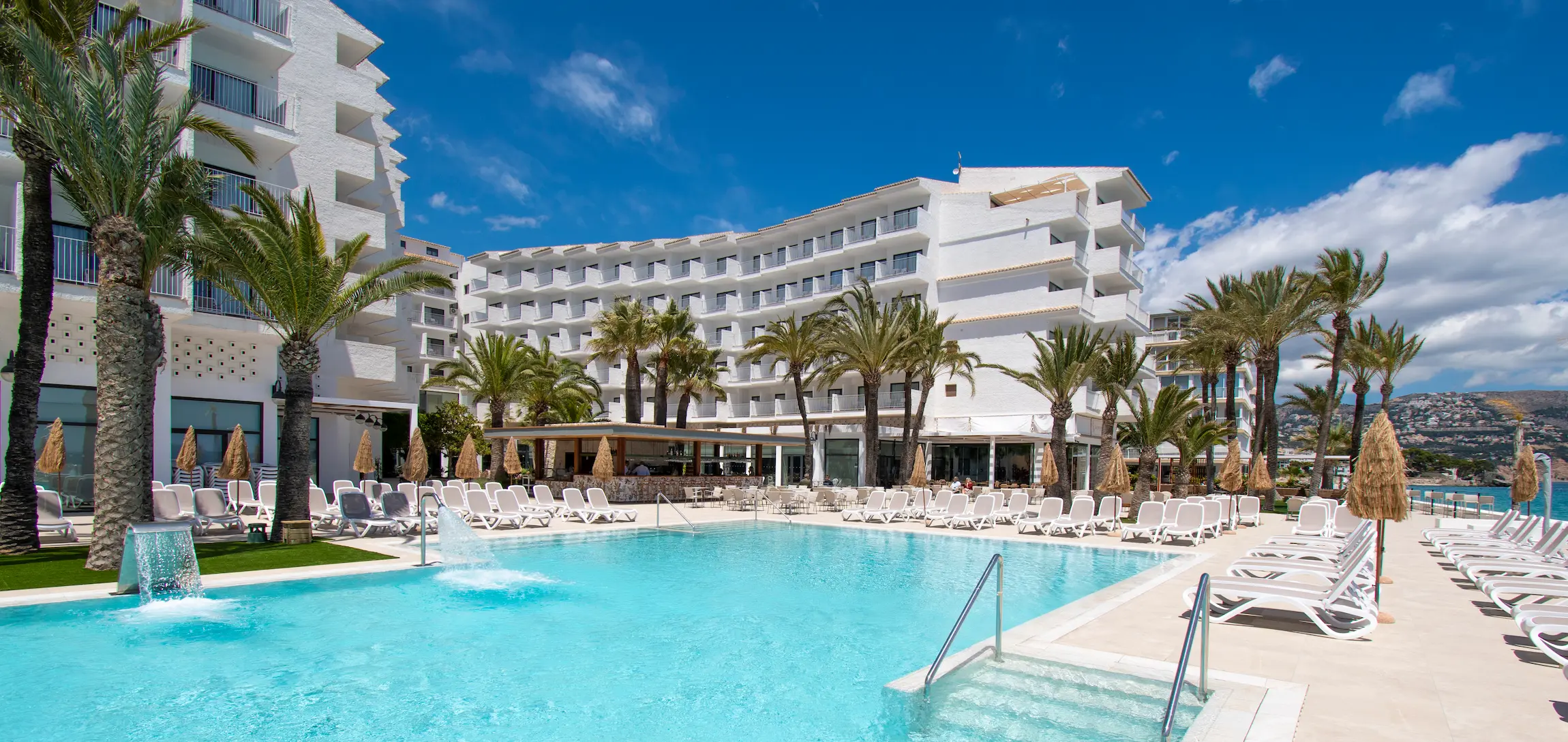
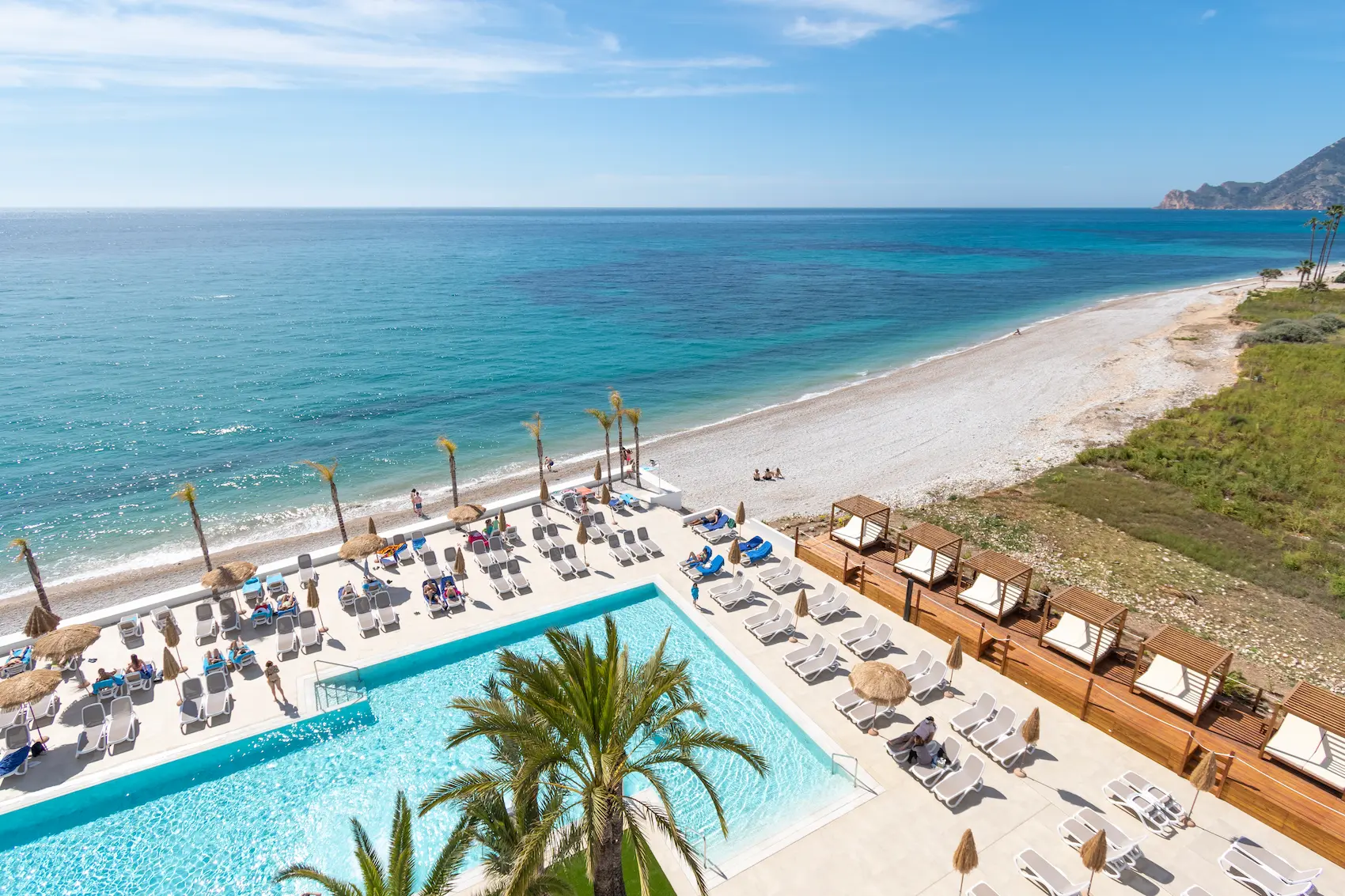
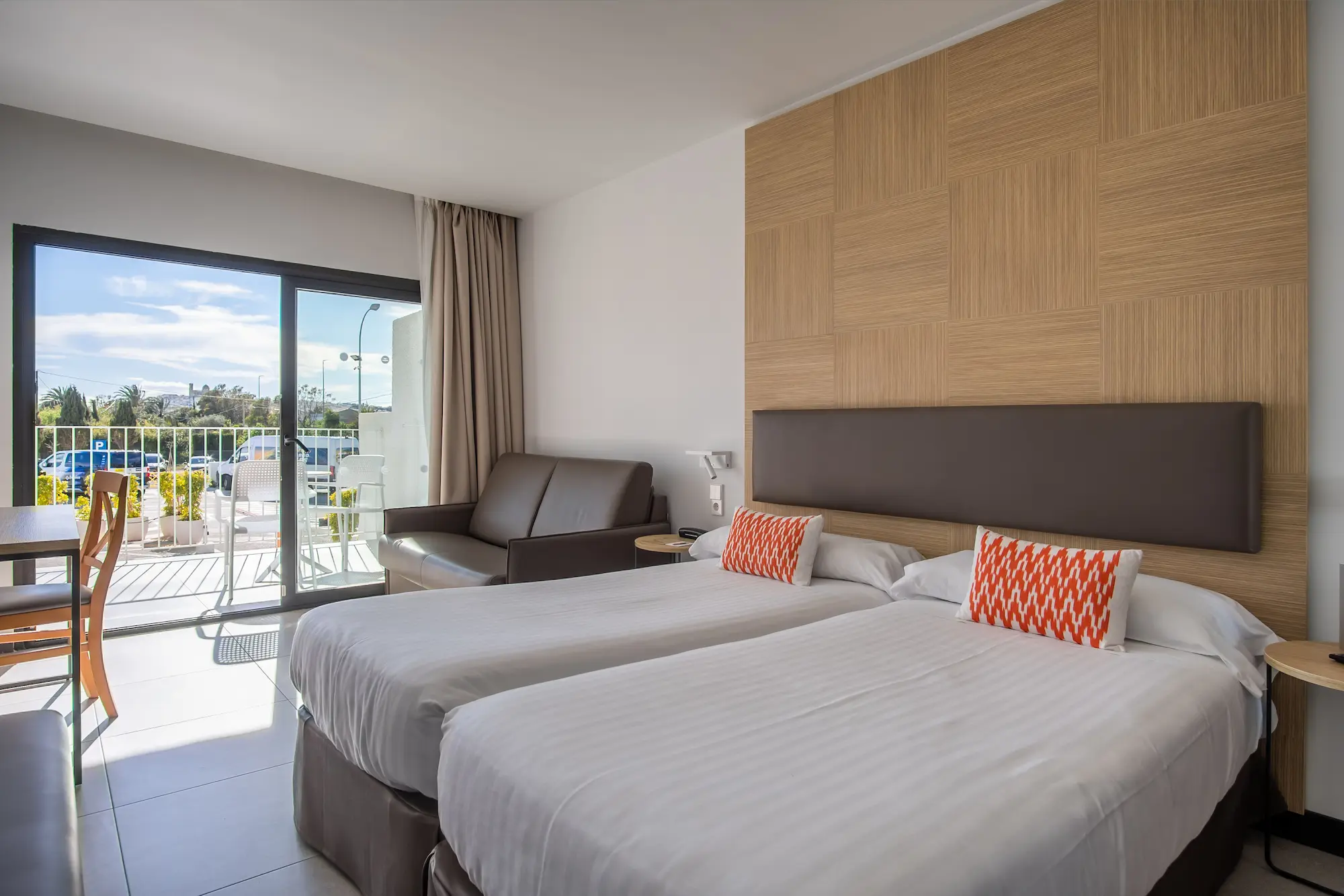
Calpe is the natural base. The climbs all radiate out from one valley system — nothing further than about two hours' riding to reach. Cyclist-friendly hotels and apartments cluster along the seafront and in the marina district. Alicante airport is roughly an hour by car or shuttle, and most rental cars handle a bike box without trouble.

Which day is the queen stage?

Day 3 — Port de Tudons and Puerto de Confrides. Tudons is the longest sustained climb in the region (15.2 km, summit at 1,025 m), and the back-to-back with Confrides on the same day makes it the hardest of the five. Day 5 (Vall d'Ebo) is comparable on paper but feels lighter because it spreads the climbing across a longer ride with quieter roads.

Is this trip suitable for first-time Costa Blanca cyclists?

Yes, if you've ridden 100 km mountain days before. The trip sits at intermediate-with-bite — Day 3 (Tudons + Confrides) and Day 5 (Vall d'Ebo) are both at the demanding end, while Day 1 (Cumbre del Sol) is short but contains a 9.6%-average climb that demands honest respect. Day 4 is a deliberate recovery loop. If 100 km with 2,000+ metres of climbing in a single day is new territory, ride a less aggressive trip first.

What gearing do I need?

A compact 50/34 chainset with at least an 11-32 cassette covers the trip comfortably for most intermediate riders. Stronger climbers run 50/34 with 11-30. The make-or-break ratio is on Cumbre del Sol on Day 1 — 3.67 km at 9.6% with ramps past 15% — and on the upper kicks of Puerto de Confrides on Day 3. Whatever gear lets you stay seated through those sections is the gear to ride.

What makes Costa Blanca different from Mallorca as a cycling destination?

Costa Blanca is quieter. The same October-to-May climate window, the same steep limestone climbs, but fewer cyclists and more inland riding through wine country and almond groves. Mallorca's Tramuntana is more dramatic visually; the Costa Blanca's Sierra de Aitana is more remote. Pro teams winter-train in both, and the road quality is comparable. The choice usually comes down to flight prices and whether you've done Mallorca enough times.

Are the roads safe for cyclists?

Yes. Traffic in the mountains is light, drivers are used to cyclists thanks to the established pro-team winter-training presence, and most descents have decent road surfaces. The coastal road between Calpe and Moraira (Day 1) gets busier in mid-summer and on weekends but rolls quietly the rest of the year. The Jalón valley and the inland routes (Days 2, 4 and 5) are some of the quieter cycling roads in Europe.

Related Costa Blanca content

Stay in the loop

New routes, seasonal guides and cycling tips — delivered once a month. No clutter, just riding.

Have you ridden this trip? I'd like to hear how it went — drop me a note.

Send a note