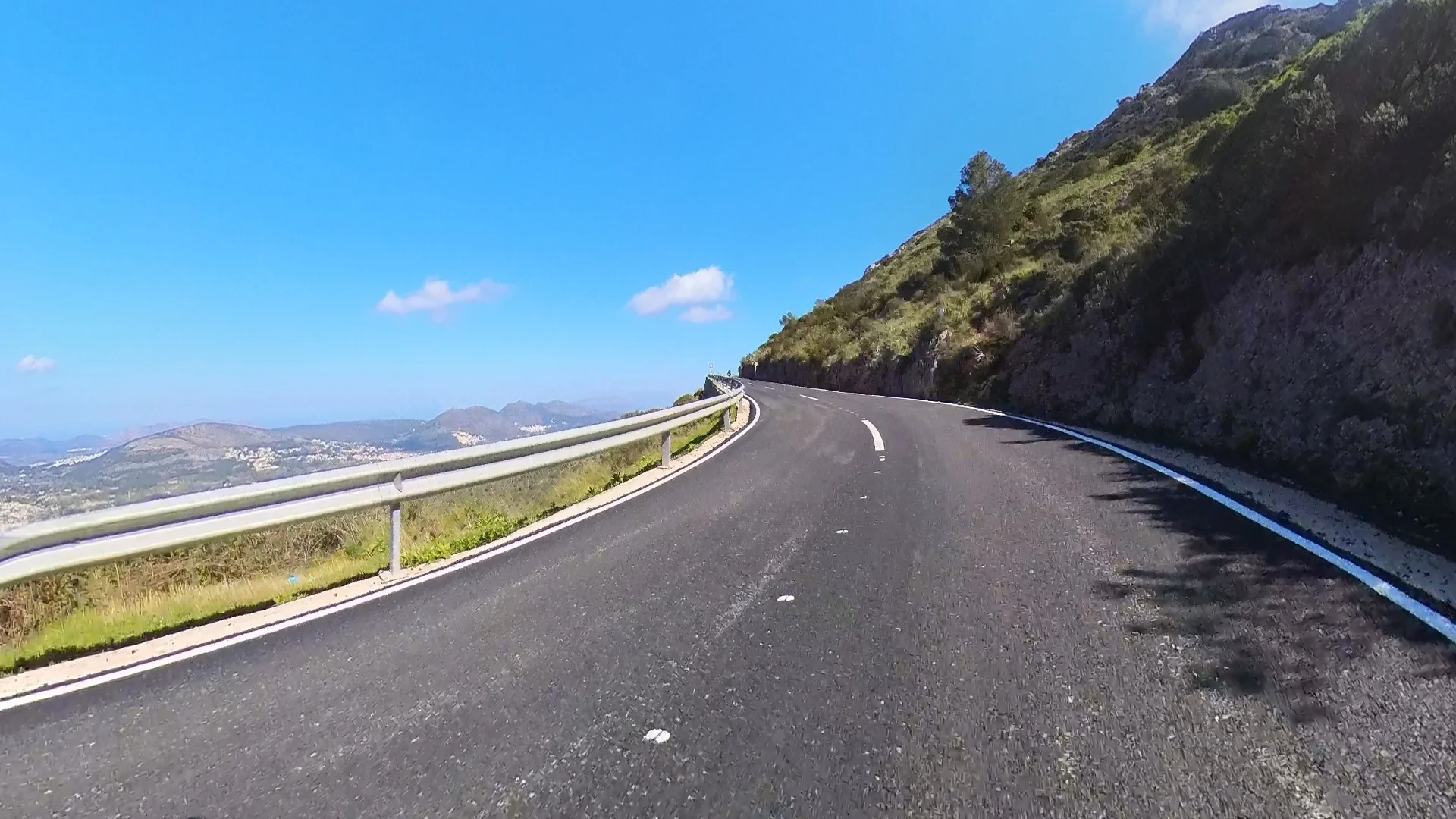
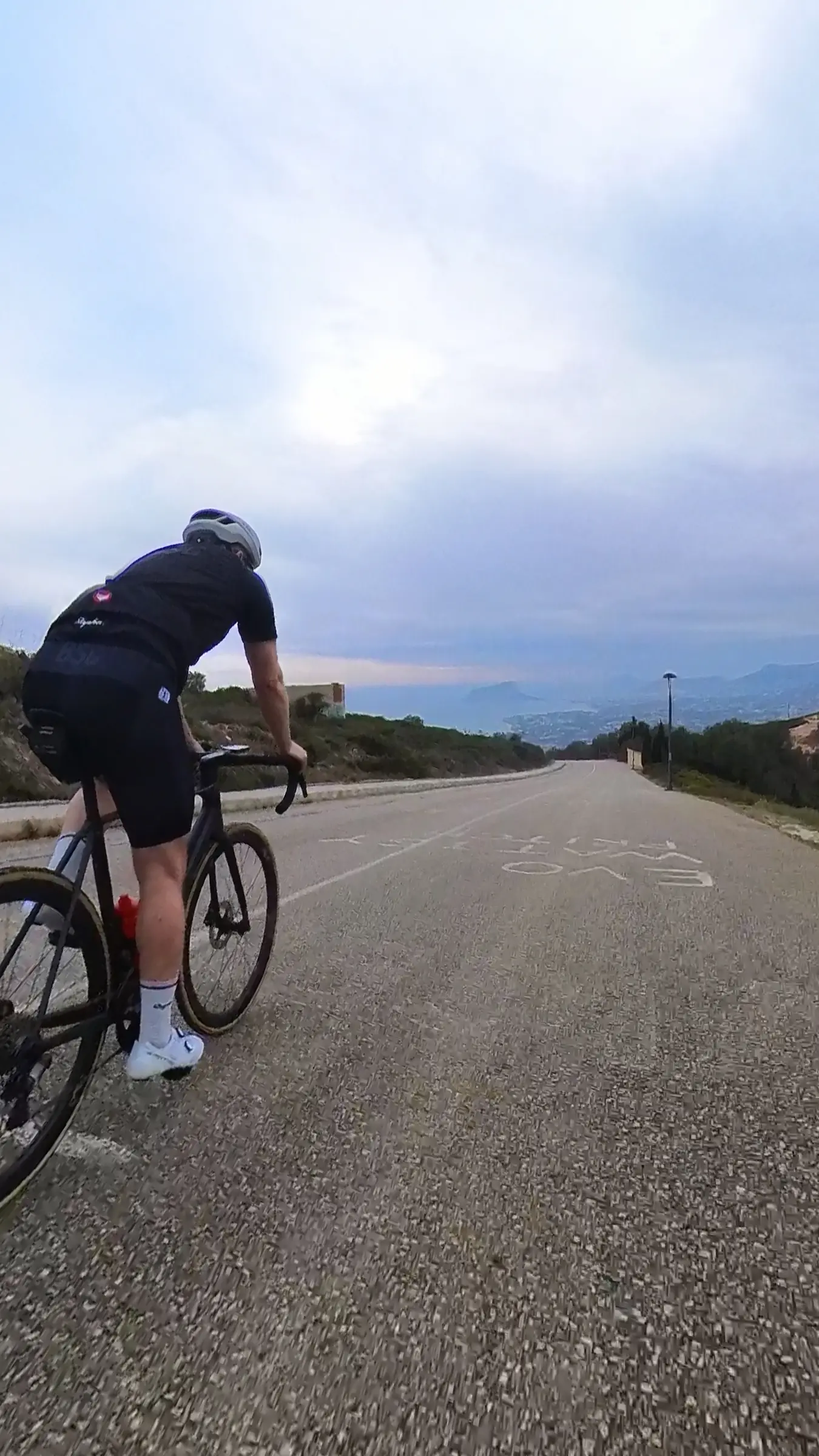
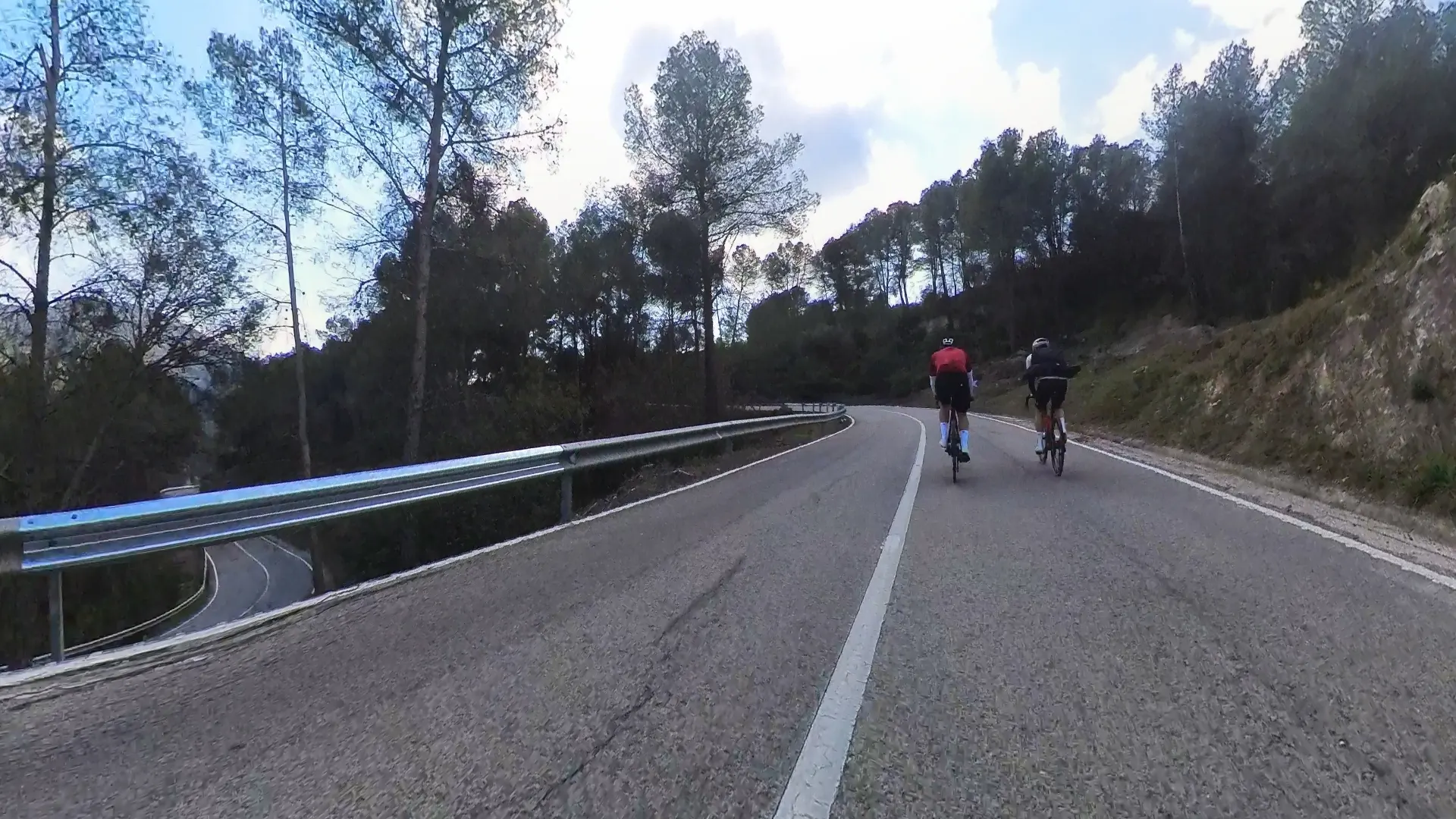
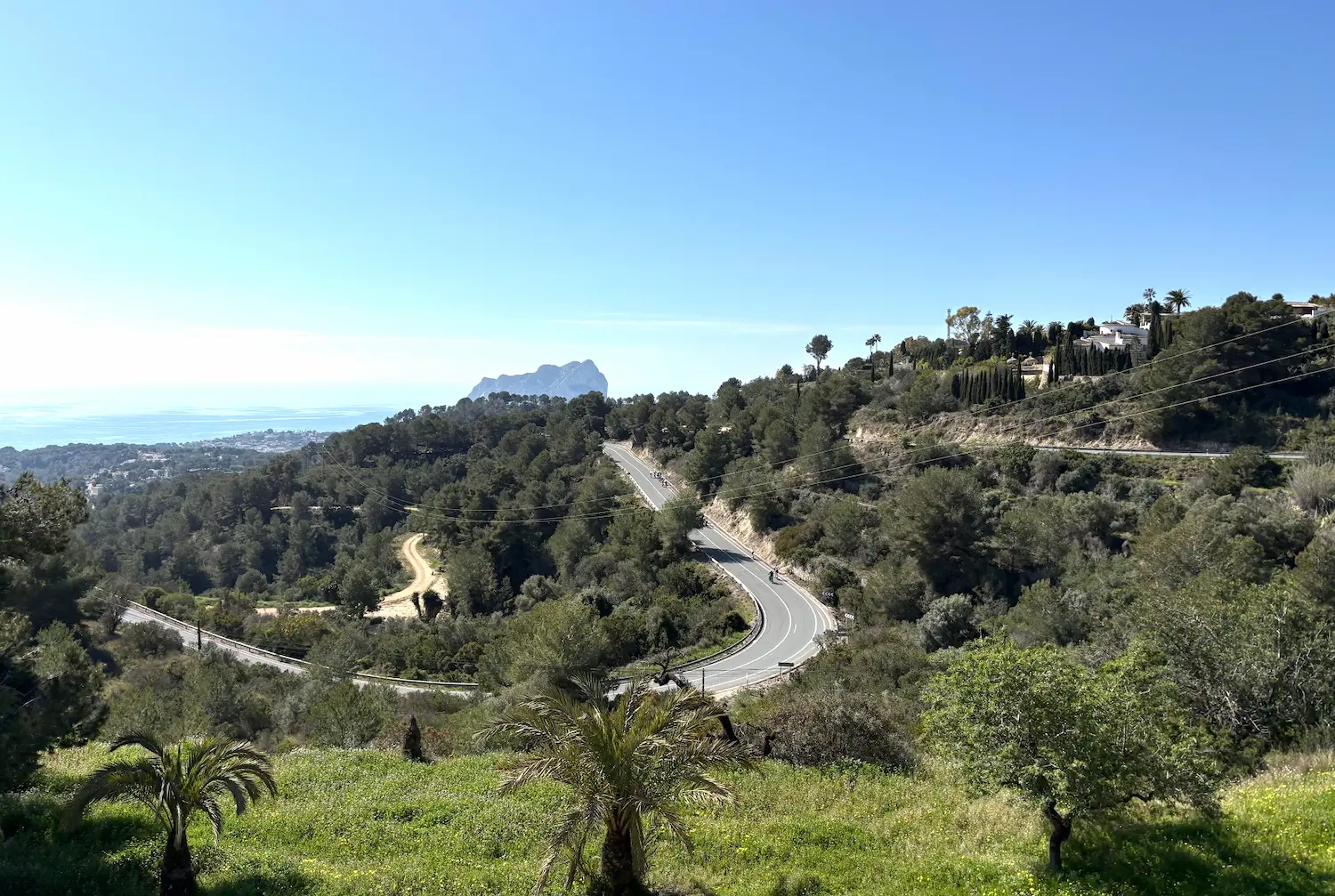
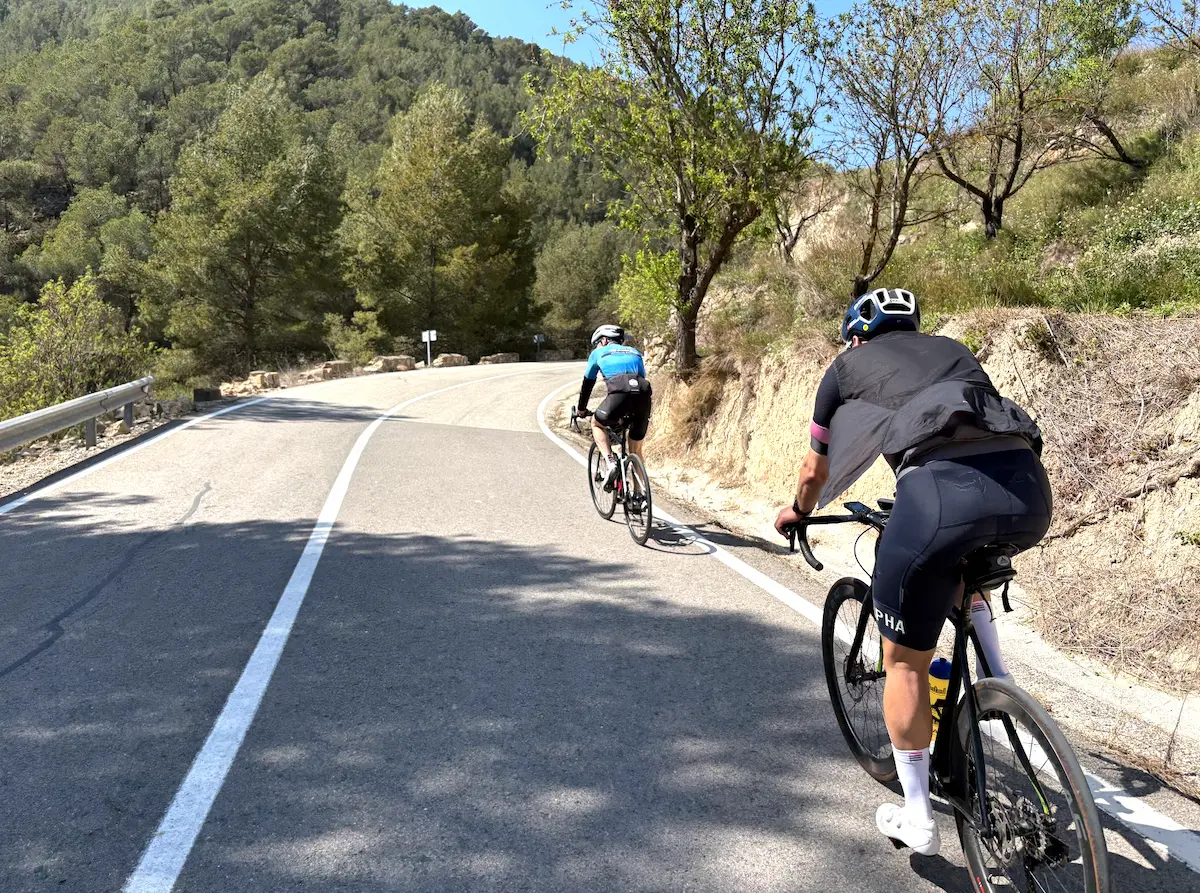
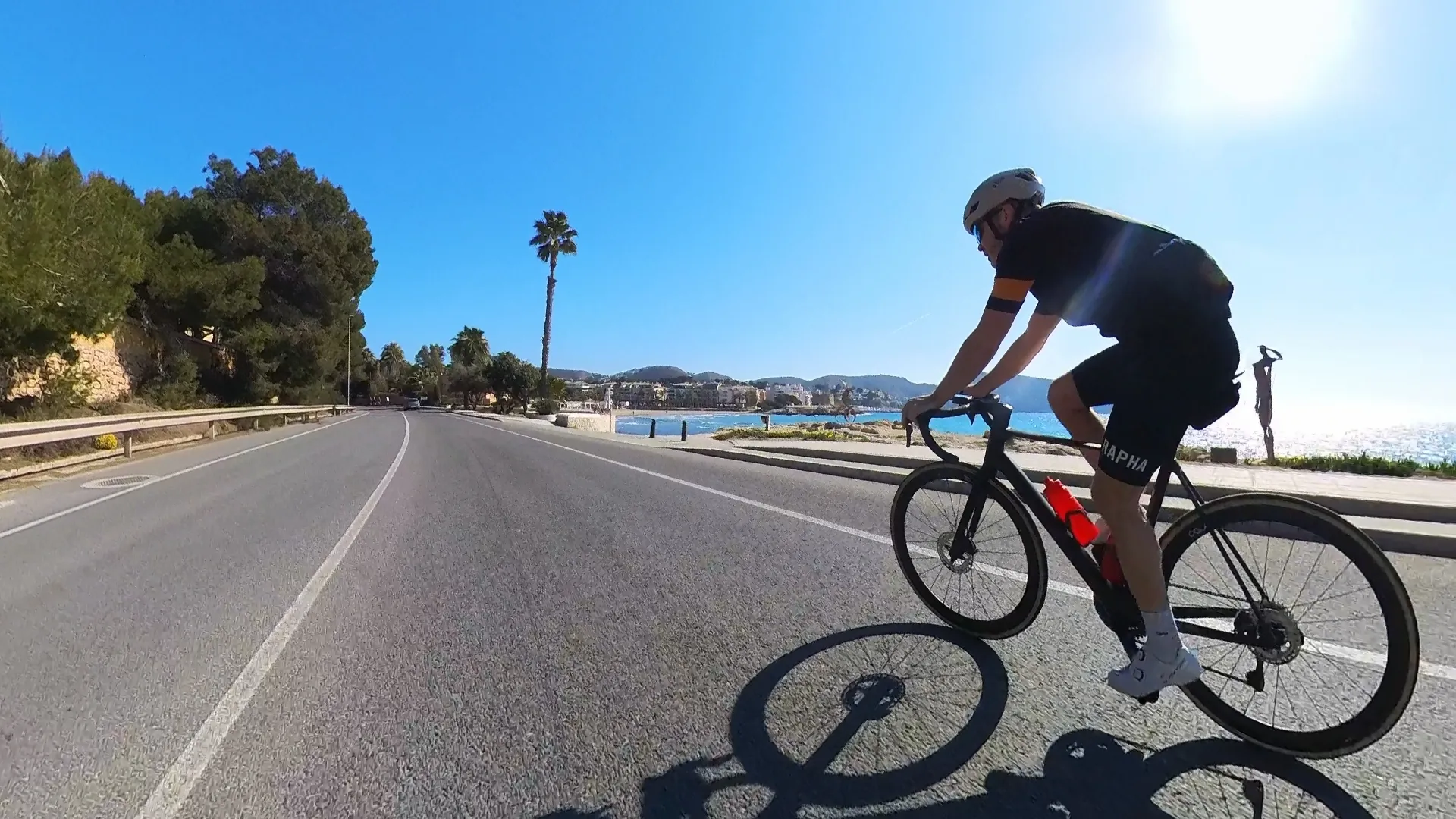
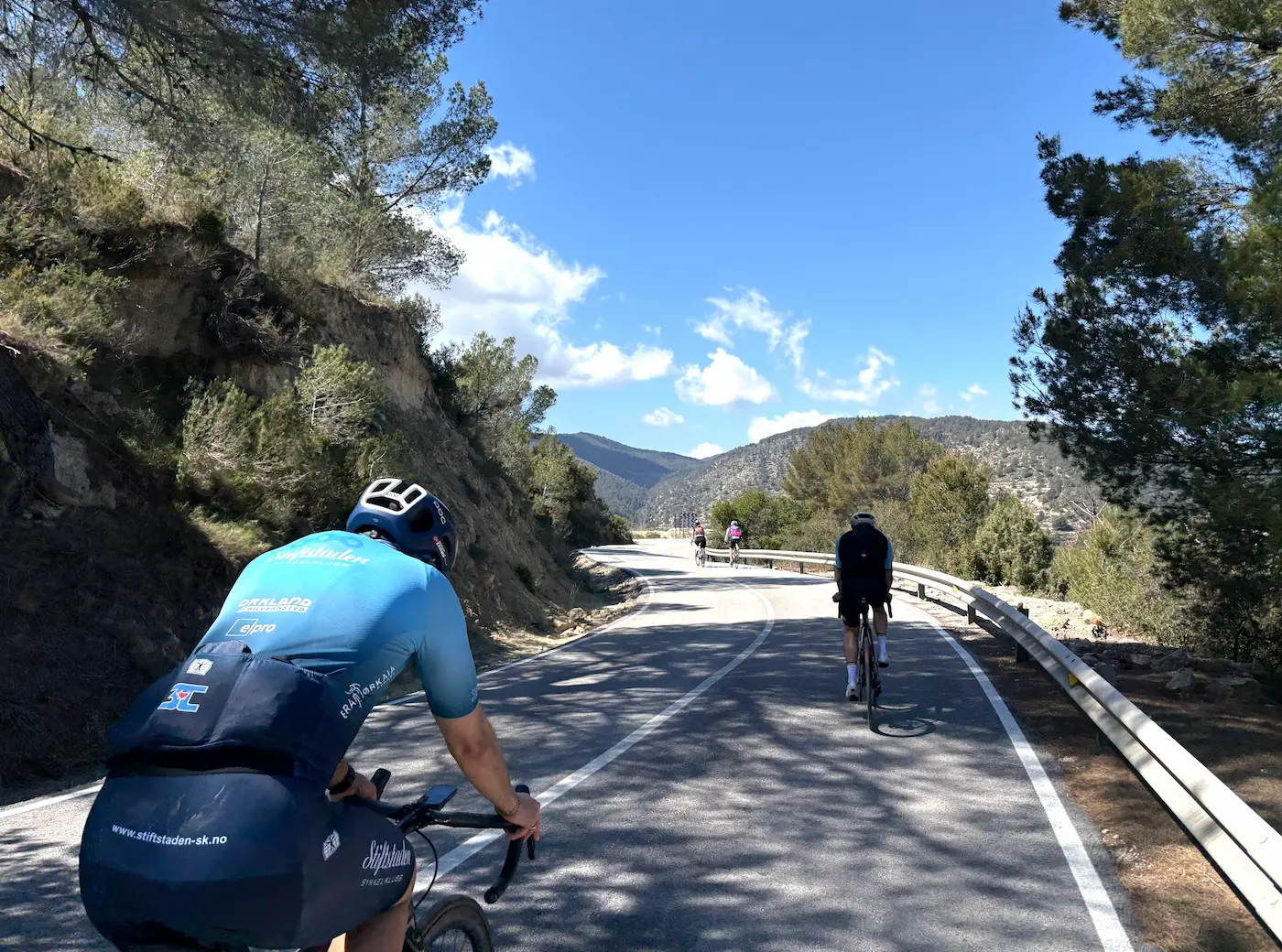
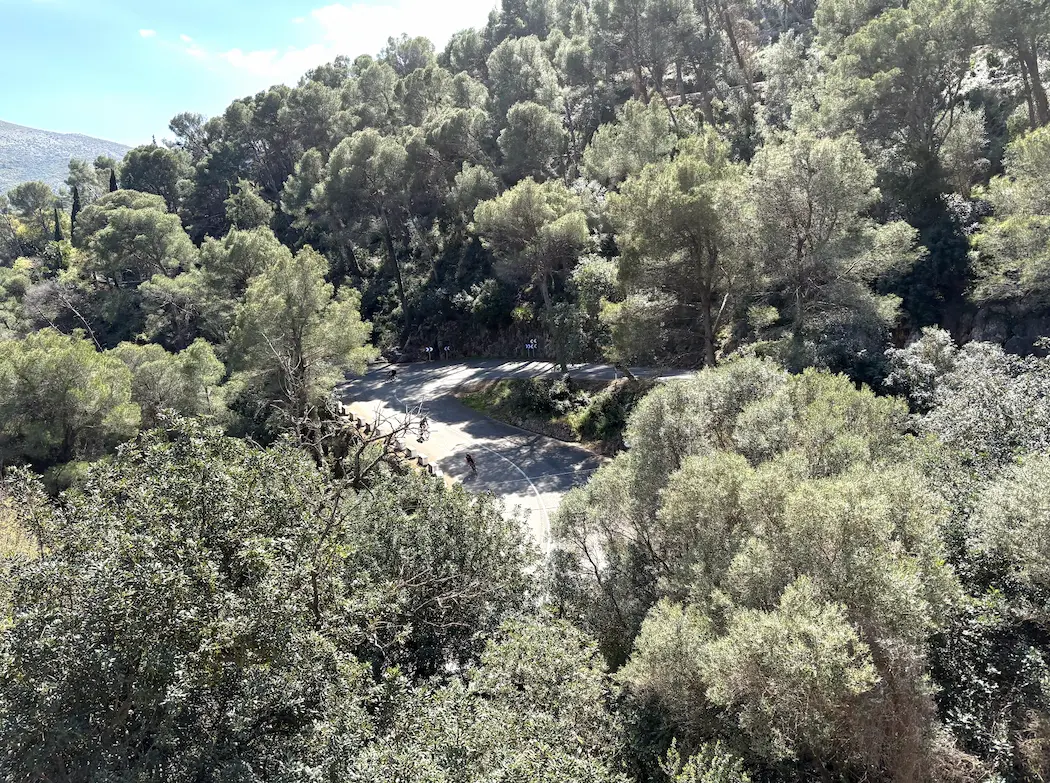
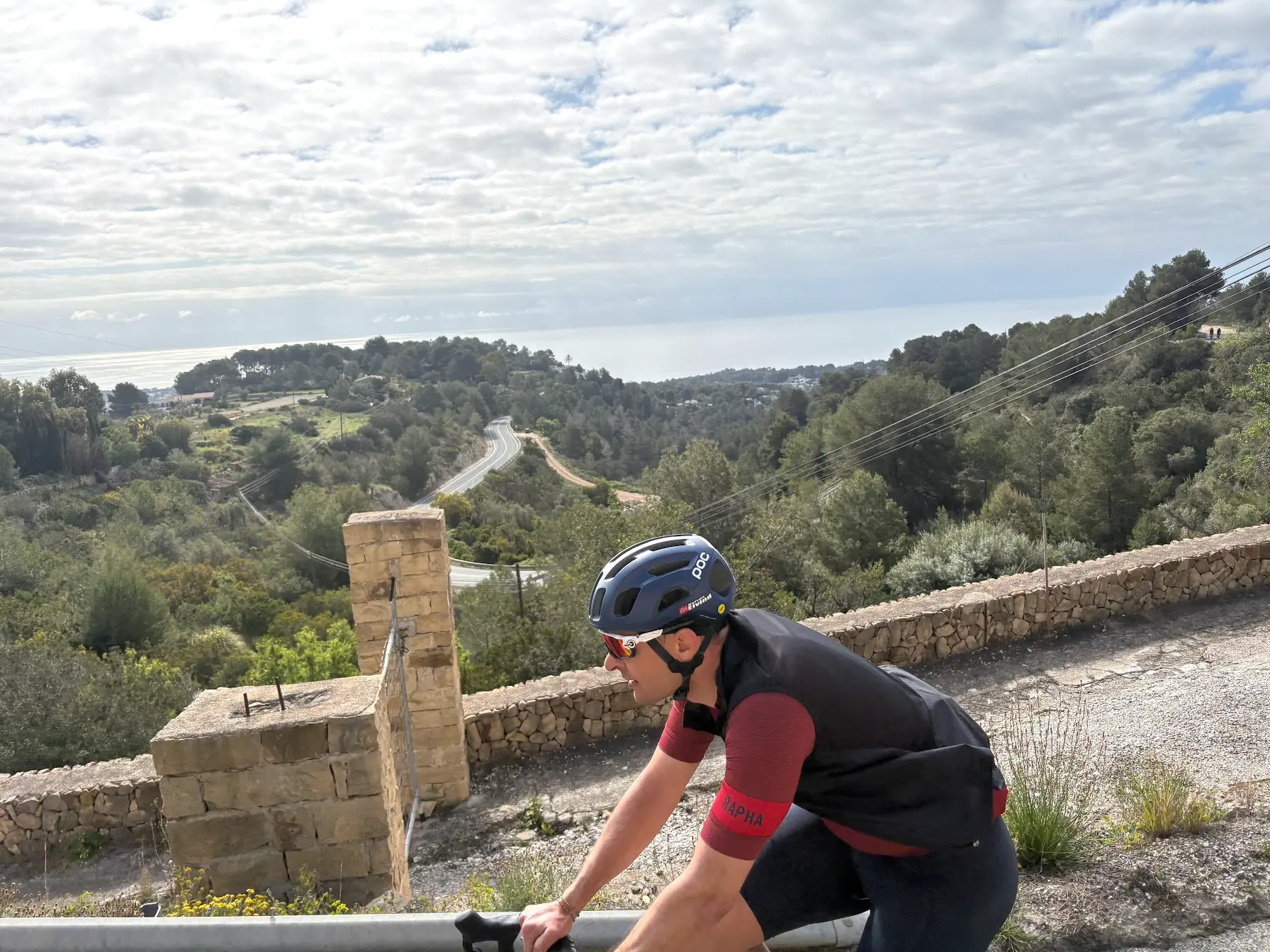
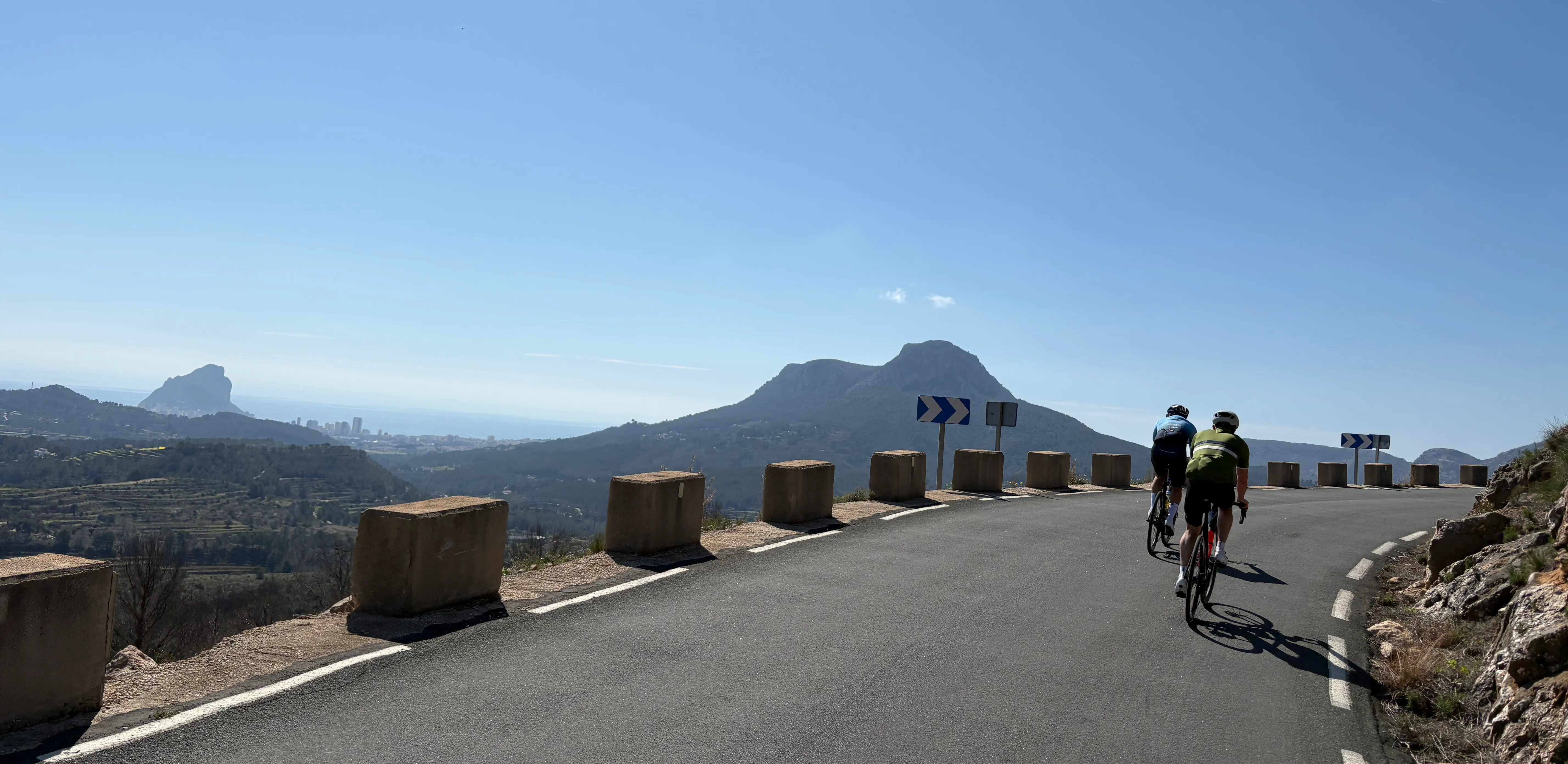
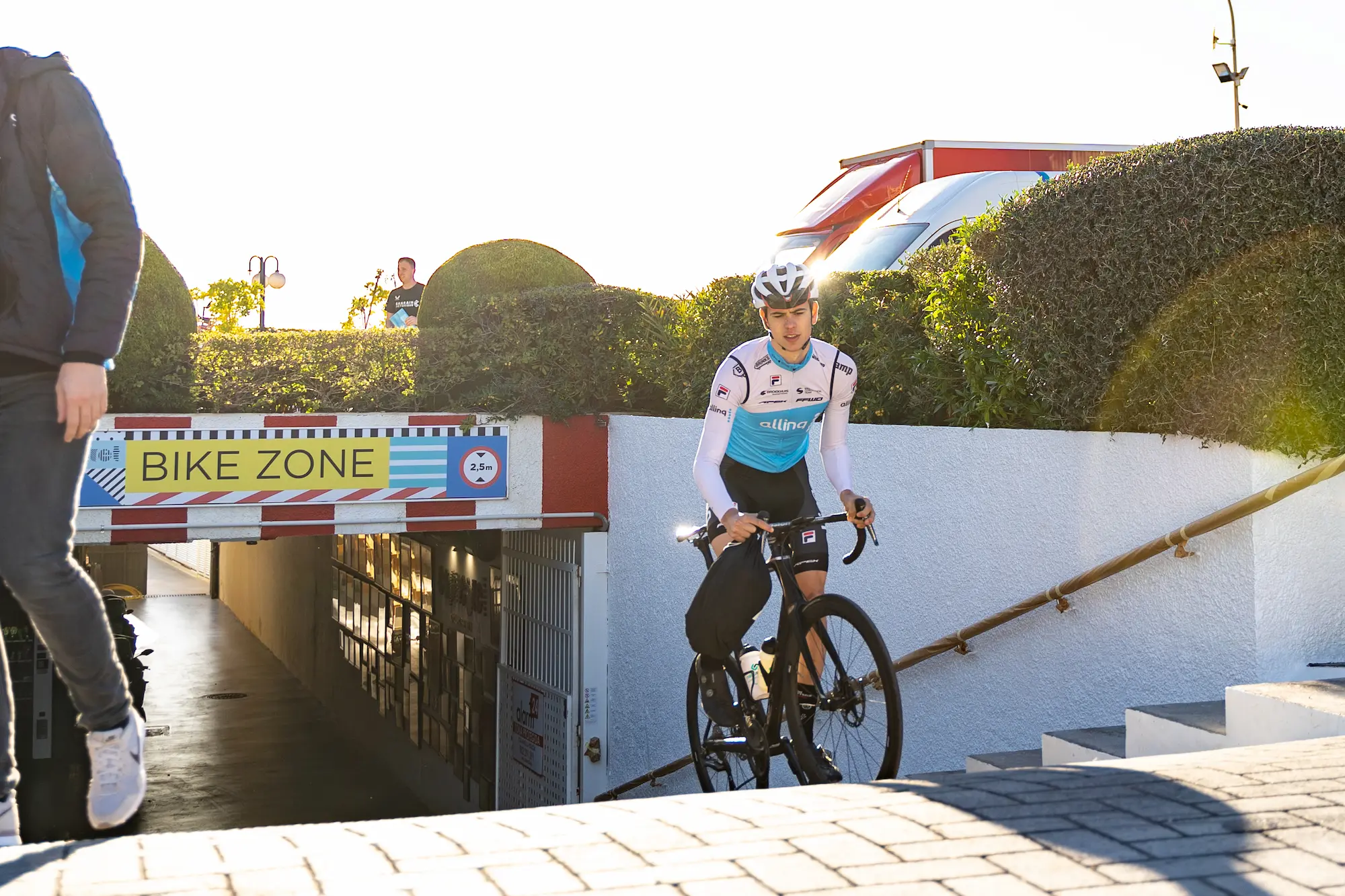
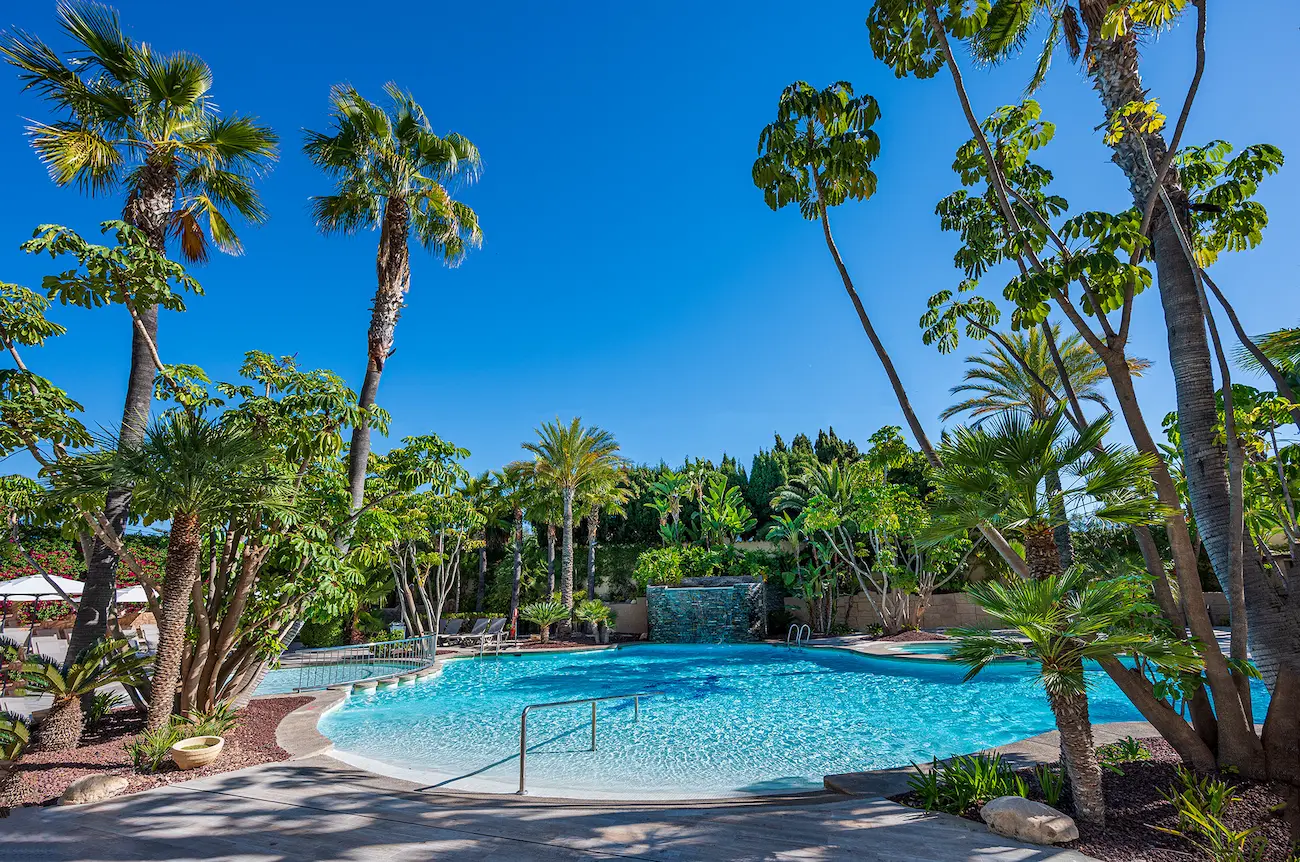
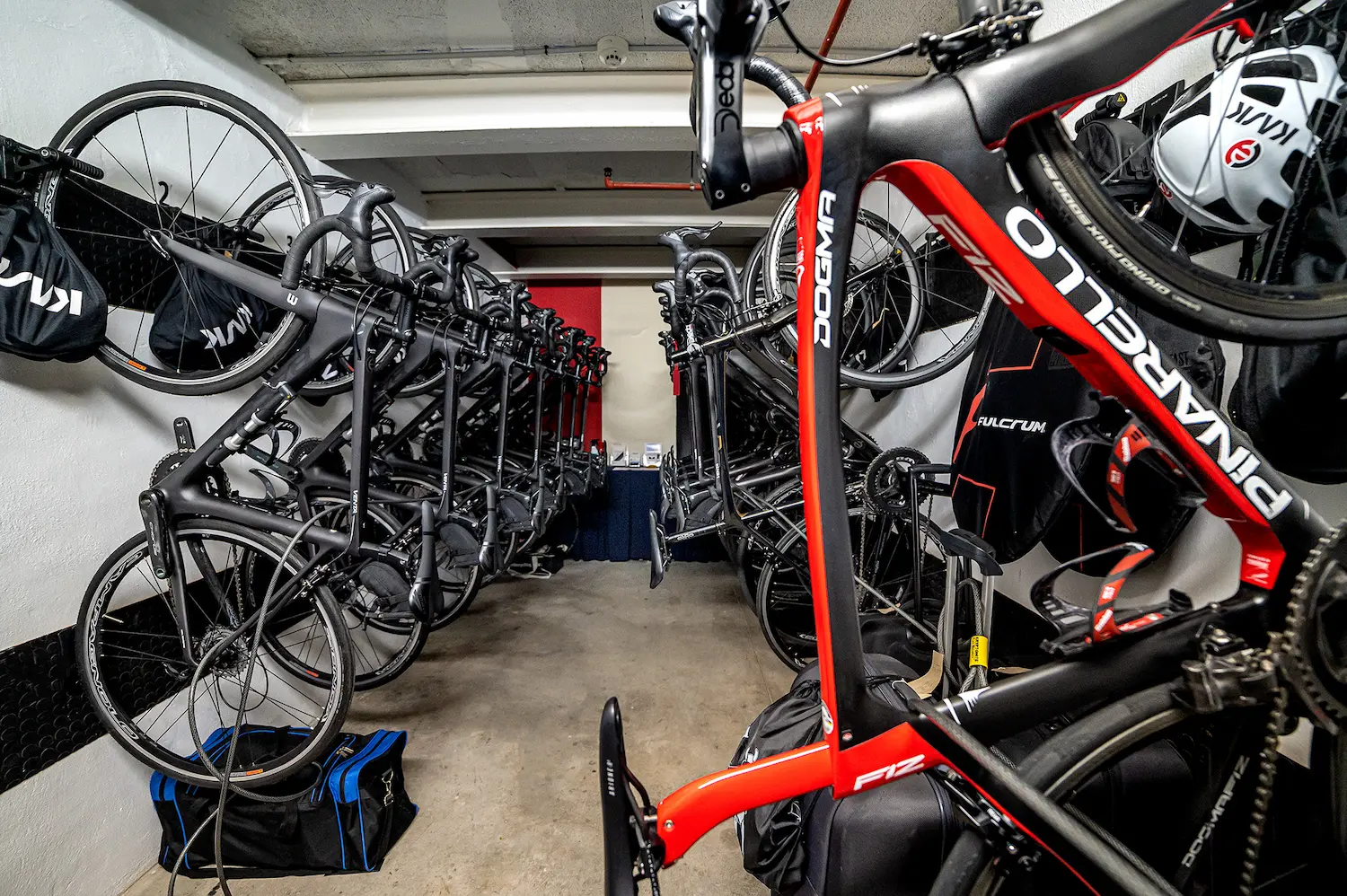
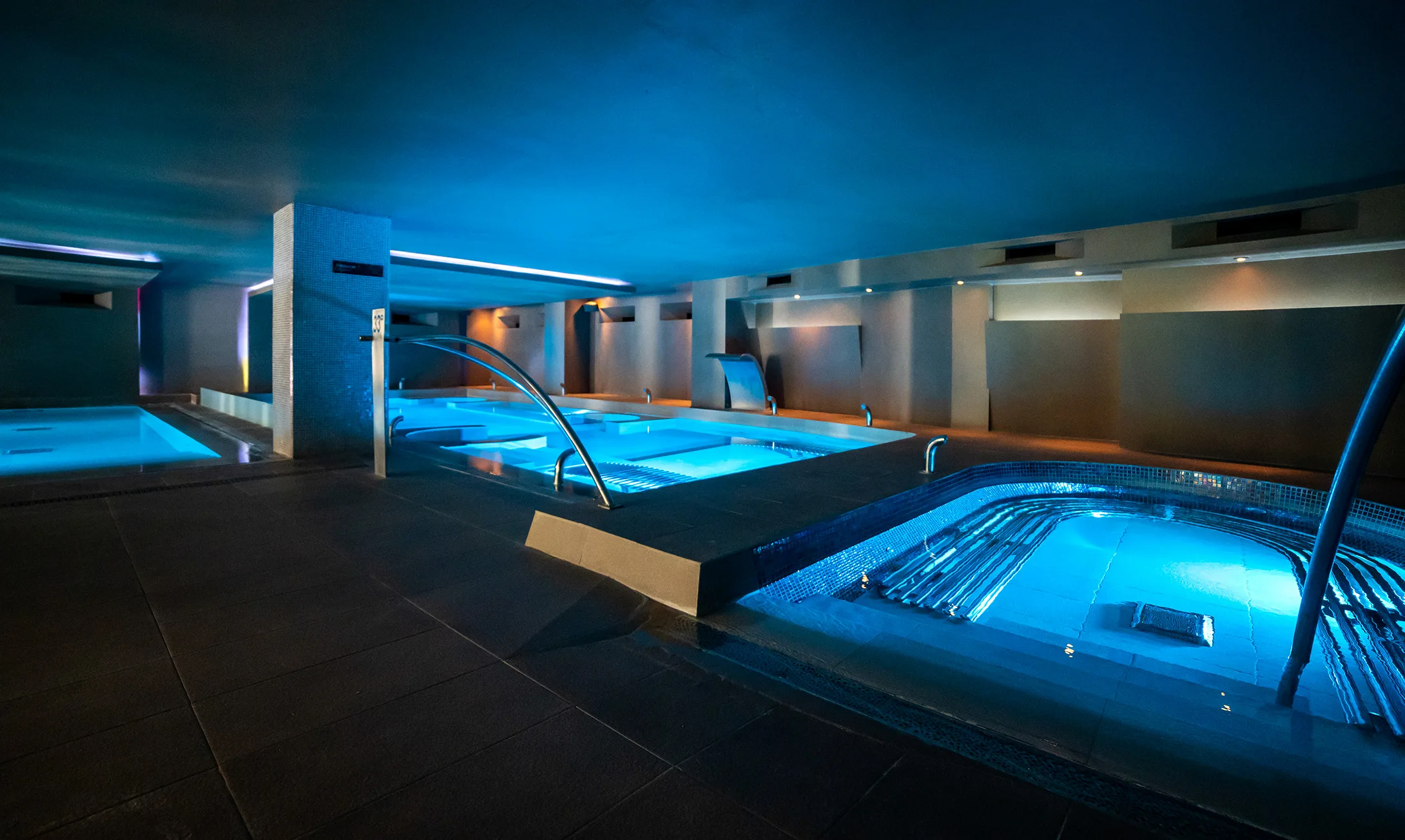
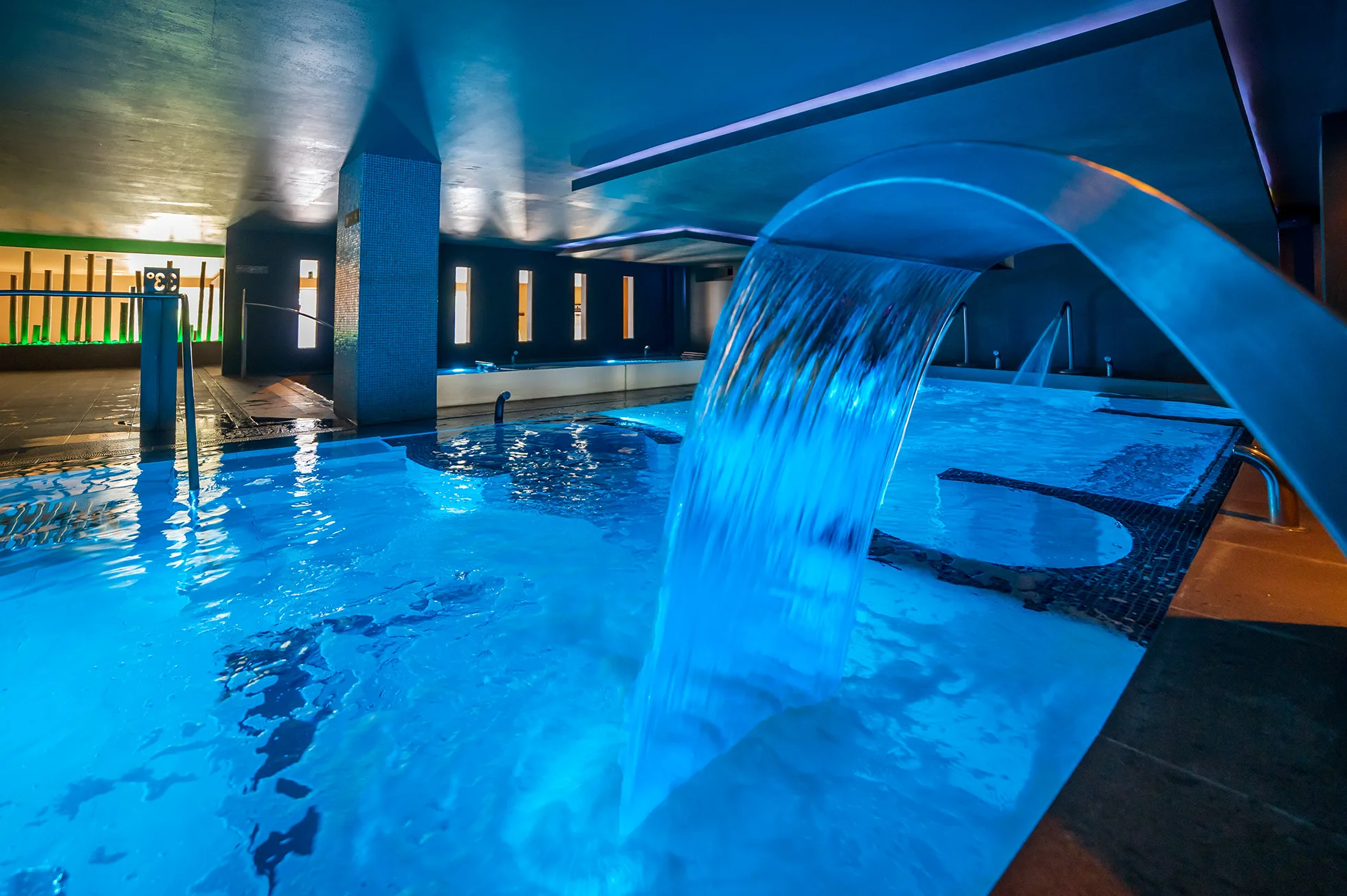
What sets Costa Blanca apart from Mallorca is the sheer variety of climbing. More mountain passes, more route combinations and a rawer, less tourist-polished feel to the roads once you leave the coast behind. The cycling culture here is deeply embedded — drivers are accustomed to cyclists and typically give a gentle tap of the horn before overtaking as a courtesy rather than a complaint. WorldTour teams train here throughout the winter and spring, and being passed by a Visma–Lease a Bike train at 40 km/h on a mountain climb is an experience that stays with you.
When to go
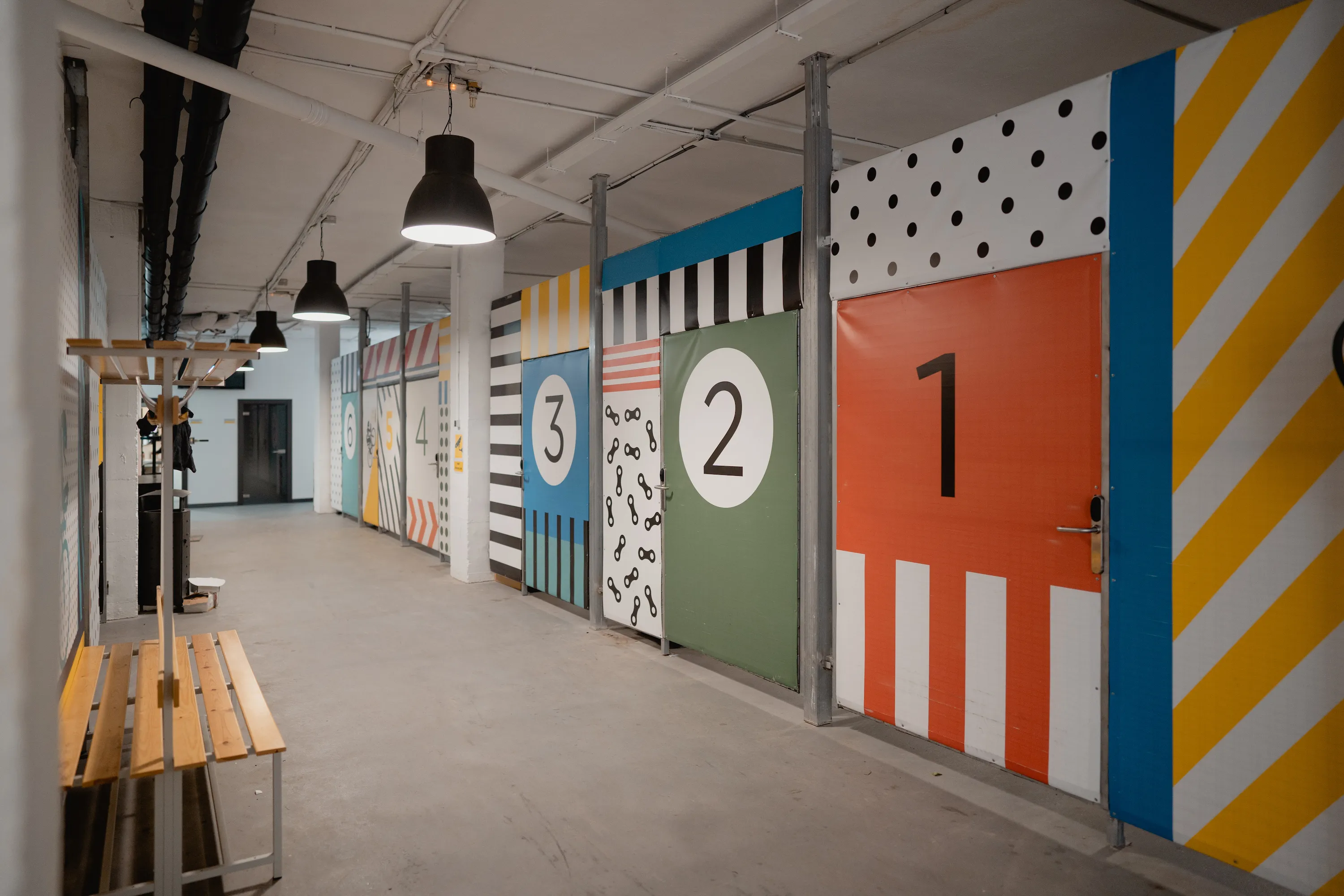
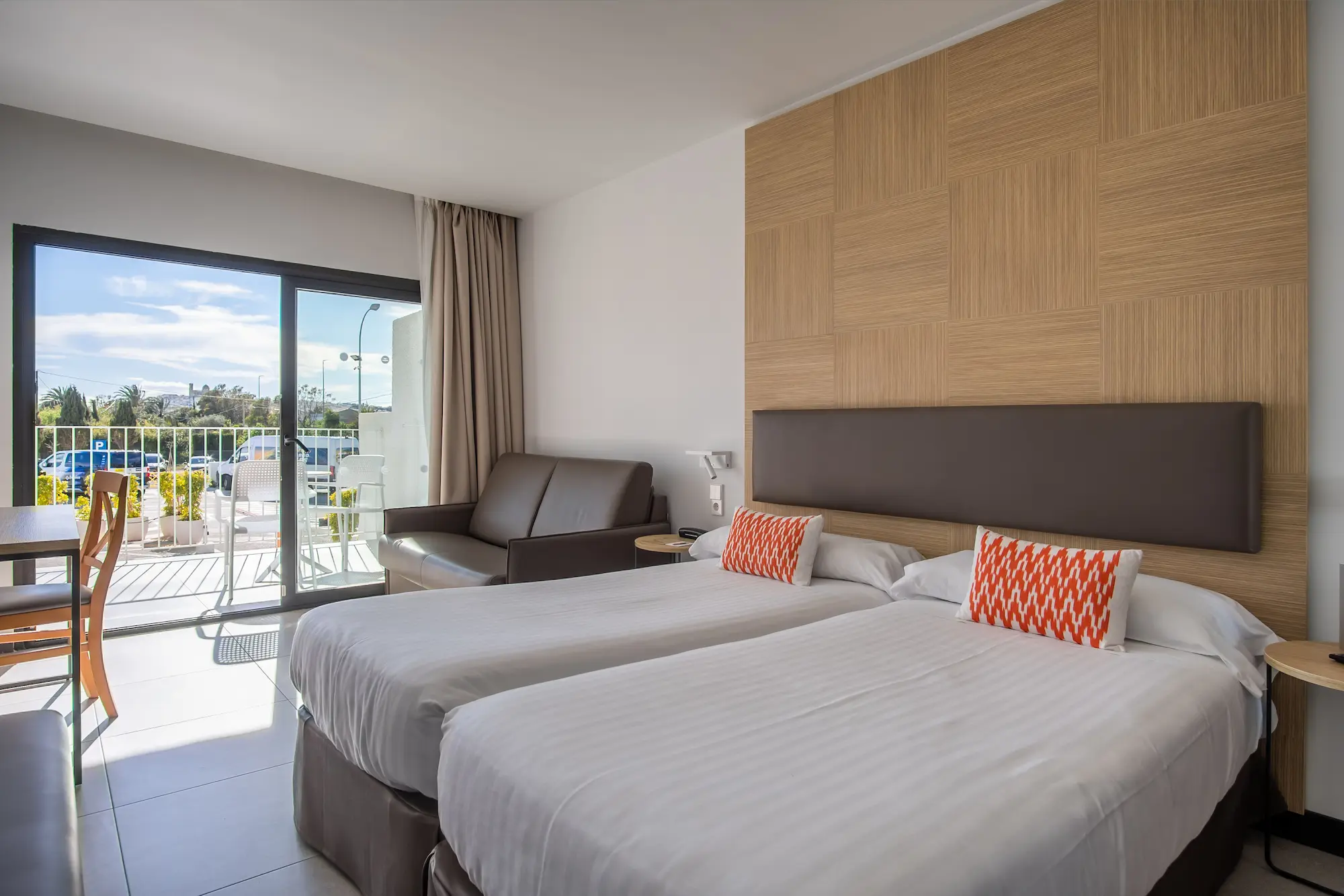
February to May is the golden season. Temperatures sit perfectly between 15°C and 22°C — warm enough for short sleeves on the climbs, cool enough to push hard without overheating. February and March bring the professional teams: Visma–Lease a Bike, Lidl-Trek and others are a regular sight on the roads around Calpe. Bike hire shops have their best equipment available and hotels are set up for cyclists.
September to November is an excellent alternative — roads are quieter than spring, temperatures are stable around 20–25°C, and the Mediterranean is still warm enough to swim in after your ride. December and January feel like a good Norwegian summer day at 14–18°C, ideal for base training. Bring a wind vest and arm warmers for the descents — it gets cold in the shade coming off the mountains.
Avoid July and August. Temperatures regularly exceed 30–35°C, the coastal roads fill with tourist traffic, and serious road cycling becomes both uncomfortable and unsafe.
Where to stay
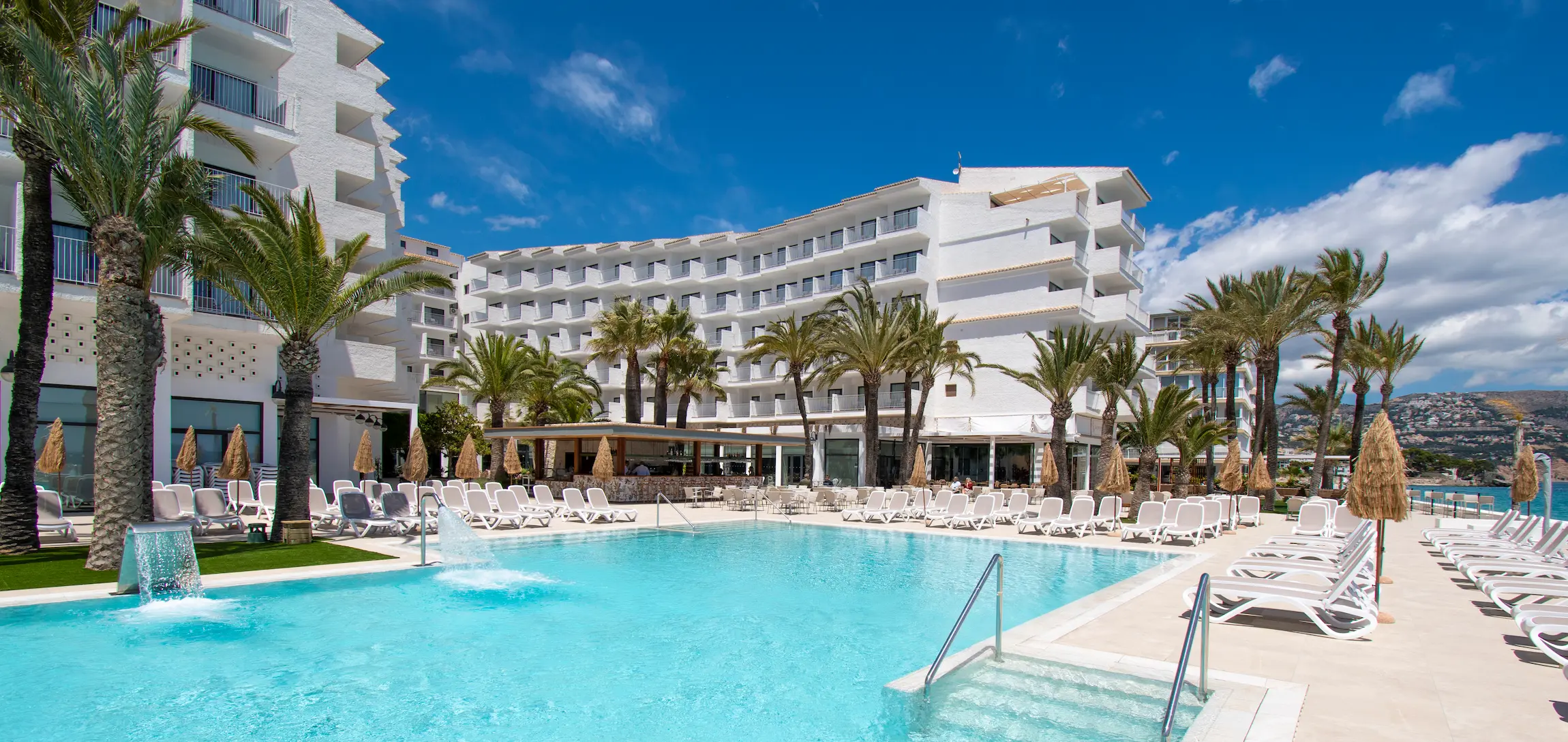
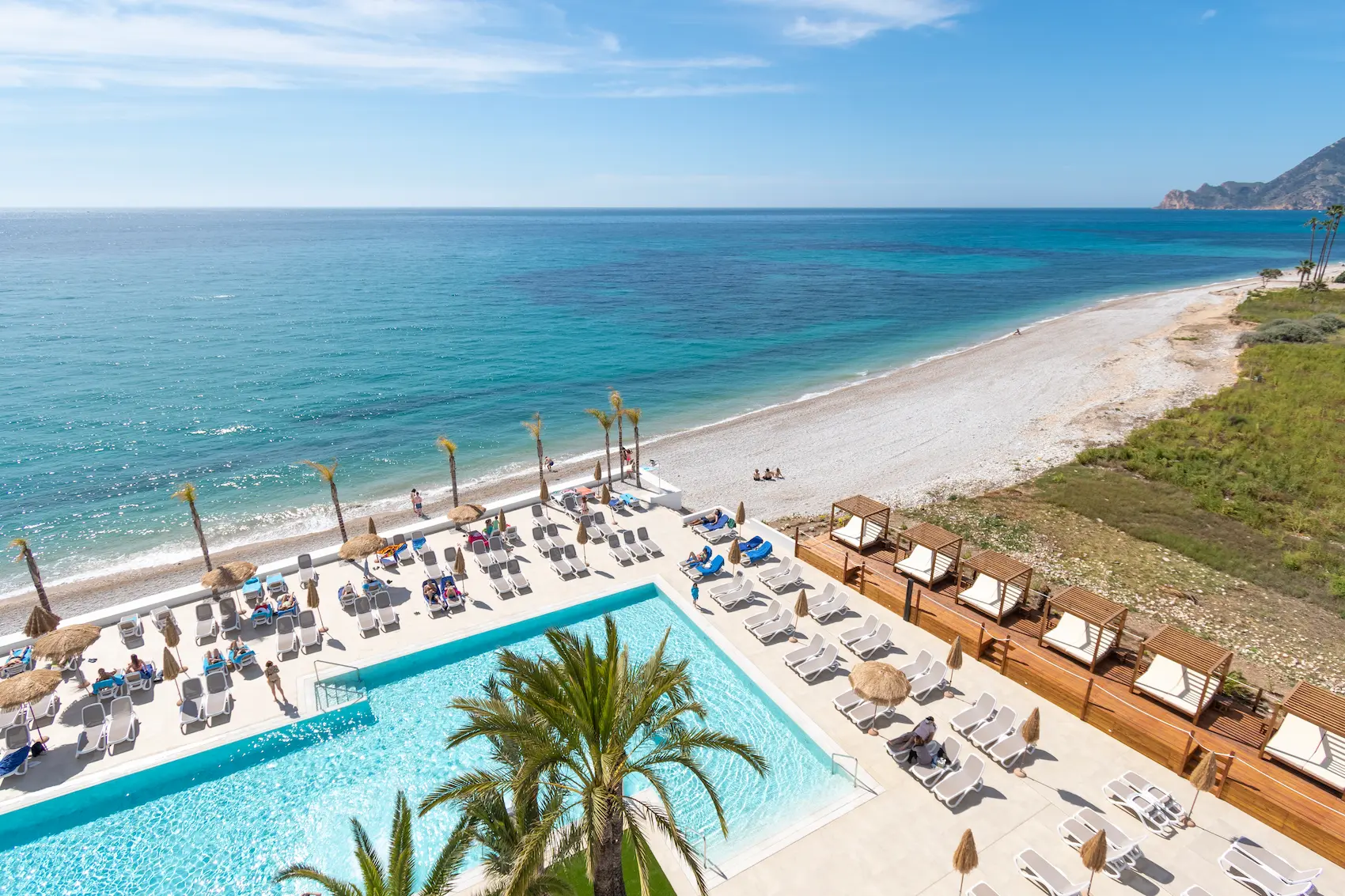
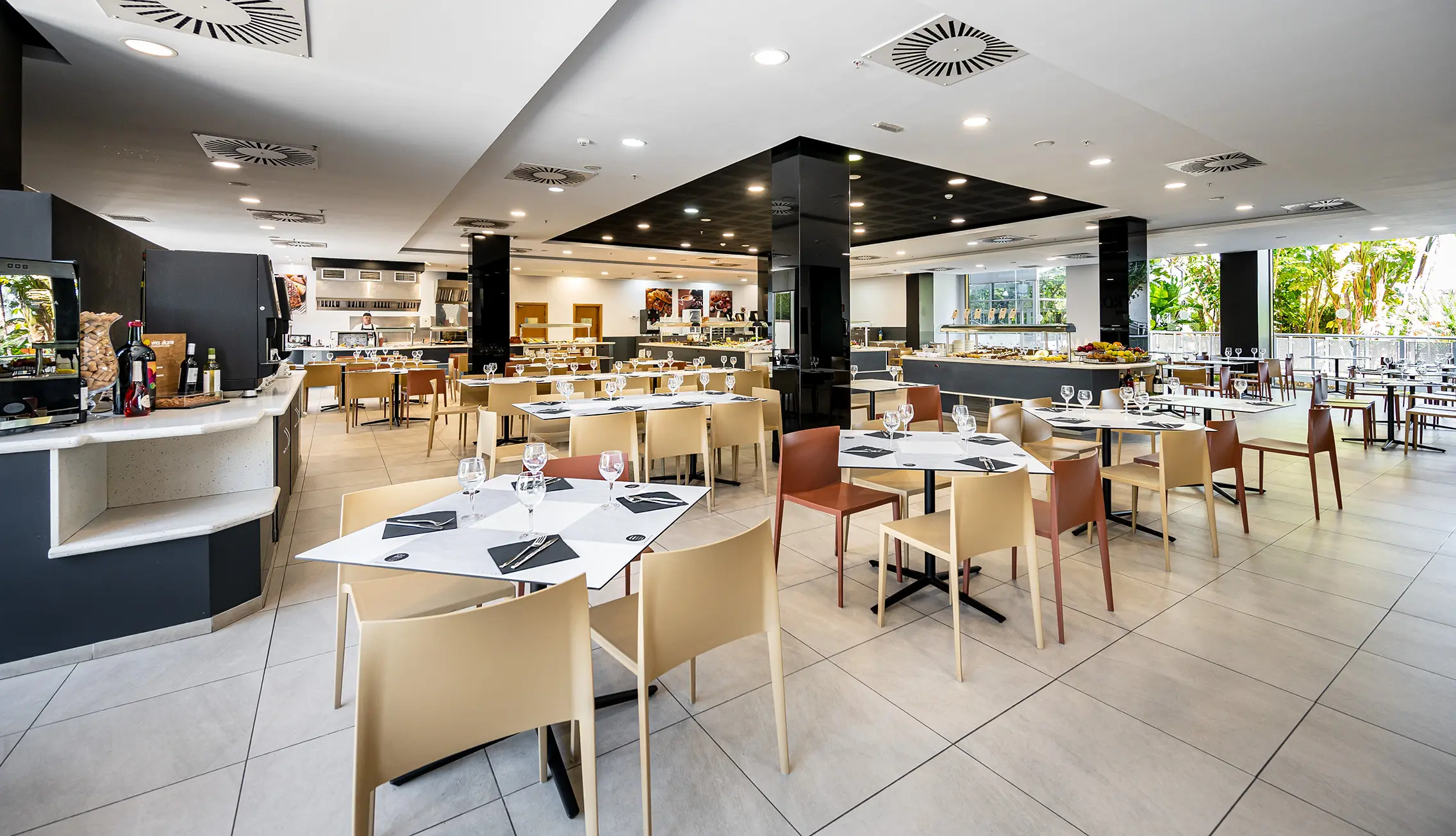
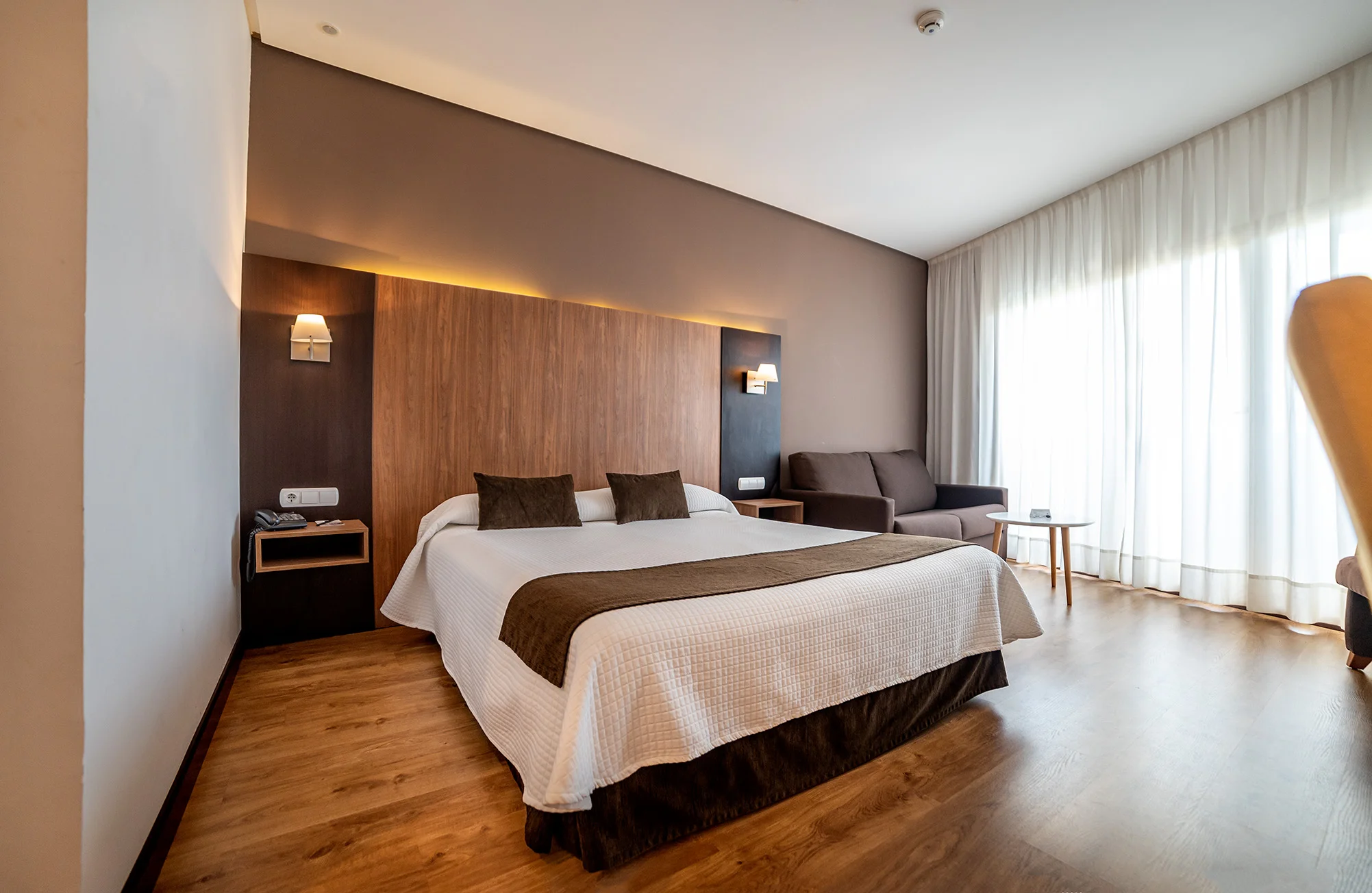
Calpe is the ideal base — within easy reach of the mountains in every direction, with good road access east and west along the coast. It is around one hour from Alicante airport. From Calpe you can reach all the key climbs without a transfer, which means more time on the bike and less time in a car.
The four climbs every cyclist should ride
*Coll de Rates — the famous one.* The climb every Costa Blanca cycling itinerary includes, and rightly so. From Parcent on the south side: 6.4 km at 5.5% average. Smooth tarmac, steady gradient, sweeping views over the inland valleys, and a café at the top that's a Costa Blanca institution. Tadej Pogačar holds the Strava KOM at 11:57 — context for the rest of us.
*Port de Tudons — long and generous.* The climb I love most in the area. Port de Tudons climbs 757 metres over 15.2 km at 5.3% average from the south — long, steady, beautiful. The kind of climb where you settle into a rhythm and the kilometres tick by. No savage ramps, no tactical decisions — just sustained climbing through pine forest with the views opening up progressively.
*Puerto de Confrides — Tudons's sibling.* A similar profile to Tudons — a long, low-percentage climb with the same generous character. The full version from Callosa climbs 706 m over 20.4 km at 3.5% average — among the longest sustained climbs on the Costa Blanca. From the south side it's a steeper 5.4 km at 4.8%.
*Cumbre del Sol — short, brutal, underrated.* A different beast. Cumbre del Sol is 3.73 km at 9.8% average — short, savage, and demanding from the first metre. But the 360-degree view at the summit is the payoff: Mediterranean below, mountains inland, the whole Costa Blanca peninsula laid out in front of you. Mike Woods set the Strava KOM here during the 2017 Vuelta a España (9:24). Less talked about than Coll de Rates and Tudons — I think it's underrated.
What makes Costa Blanca different
More climbing variety than Mallorca, with a greater concentration of categorised mountain passes within a small area. The flip side is fewer flat route options if you want an easy day — this is a region built for climbers. The cycling infrastructure is excellent: bike-friendly hotels, well-stocked hire shops and a driver culture that genuinely respects cyclists on the road.
Practical tips
Always carry cash in the mountains — not every café or bar accepts card, and you do not want to find this out at the top of a long climb. Water is safe to drink straight from the tap in Spain. Village fountains are your best option for refills on the mountain routes — failing that, ask at any café and they will fill your bottles without question. People here are genuinely helpful.