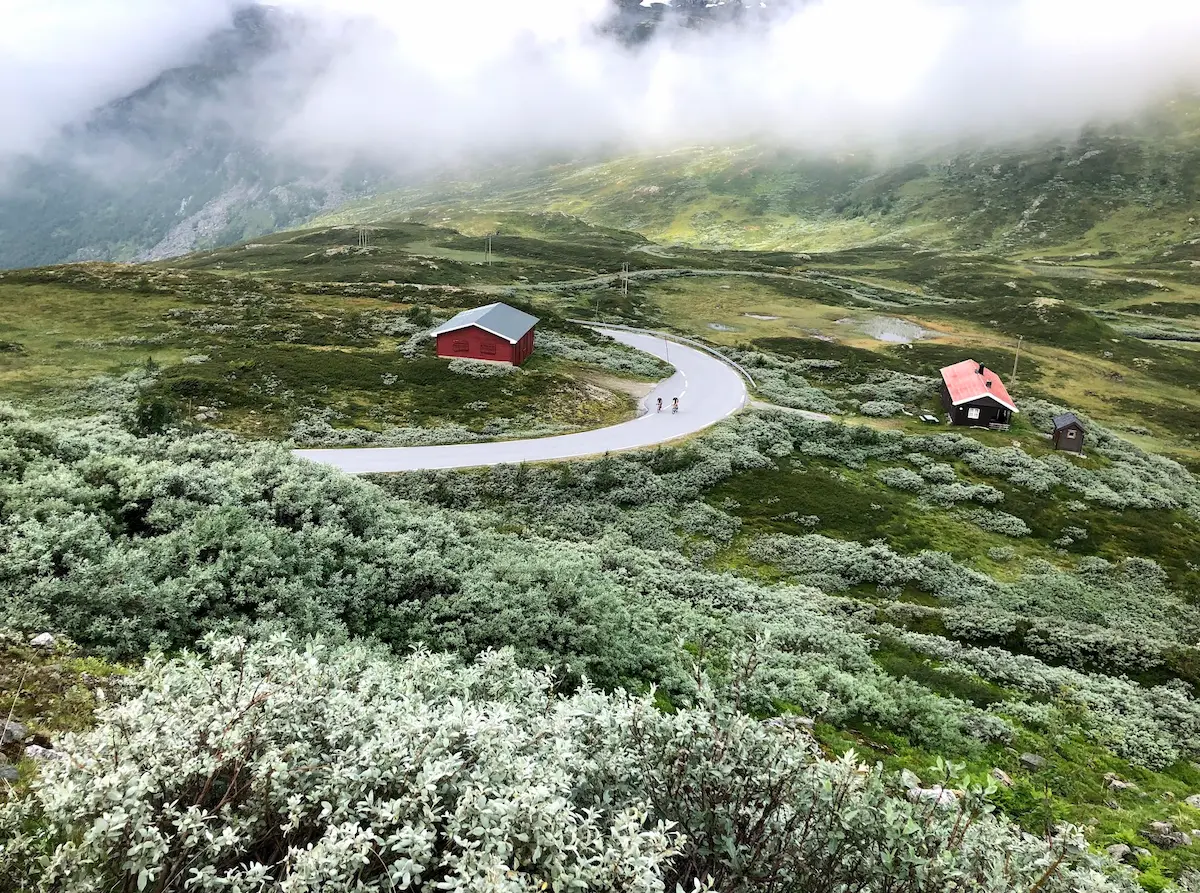
In the Western Fjords the roads climb from the water to bare mountain, often well past a thousand metres. Sognefjellet, Trollstigen, Dalsnibba, Snøvegen over Aurlandsfjellet and the old road across Strynefjellet are all of that kind. In the Alps many climbs start from valleys that already sit high; here you start at sea level and ride every metre of it yourself. The season is short — the highest crossings are not cleared until May, and close again as soon as the snow returns.
The hardest climbs are Dalsnibba from Geiranger (20.77 km, 7.0%), Fortun – Sognefjellshytta (20.87 km, 6.5%) and Tindevegen (18.16 km, 7.1%). Every climb on our routes is measured and graded.
Region at a glance
All Routes in Western Fjords
8 handpicked road-cycling routes in Western Fjords.
Sognefjellet & Tindevegen
Two of Norway's greatest mountain roads in a single out-and-back. From Skjolden at sea level, you climb to Sognefjellshytta at 1,434m, descend to Turtagrø, then plunge down the savage Tindevegen to Øvre Årdal — before climbing back out. The Western Fjords queen stage: Sognefjellsvegen from Skjolden over Northern Europe's highest mountain pass at 1 434m, then Tindevegen from Øvre Årdal back up to Turtagrø — two HC climbs and 4 134m of climbing in a single day. 129 kilometres, 4,134 metres of climbing, all earned twice.
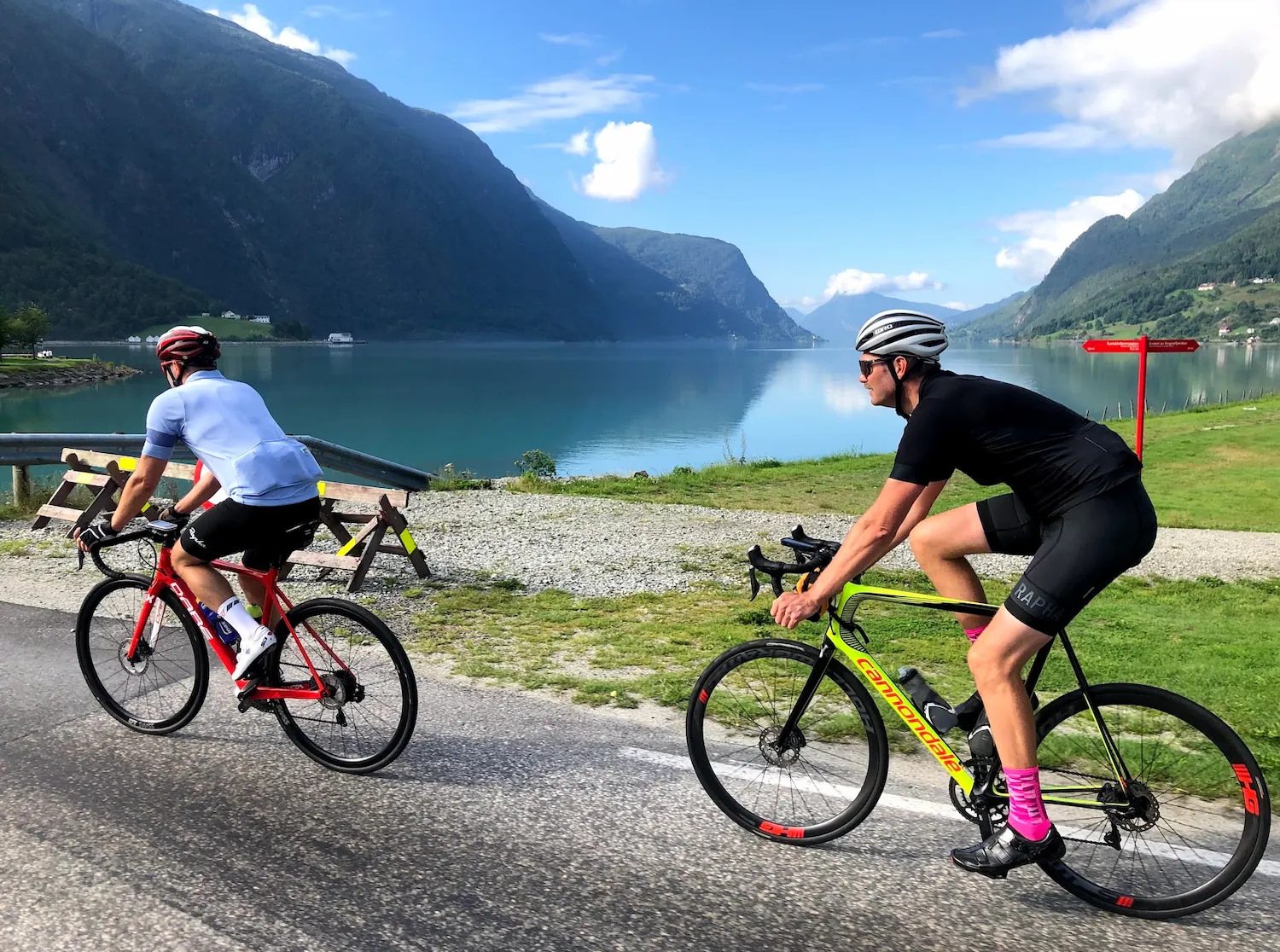
Sognefjord Cycling — Urnes Stave Church & Nigardsbreen Glacier
A magnificent fjord loop from Skjolden combining two UNESCO-listed highlights in a single day. Cycle along the inner Sognefjord to Urnes — home to Norway's oldest stave church — crossing by ferry to Solvorn, then heading deep into Jostedalen to Nigardsbreen, one of Europe's most accessible glaciers. 143 kilometres of fjordside roads, mountain valleys and extraordinary scenery.
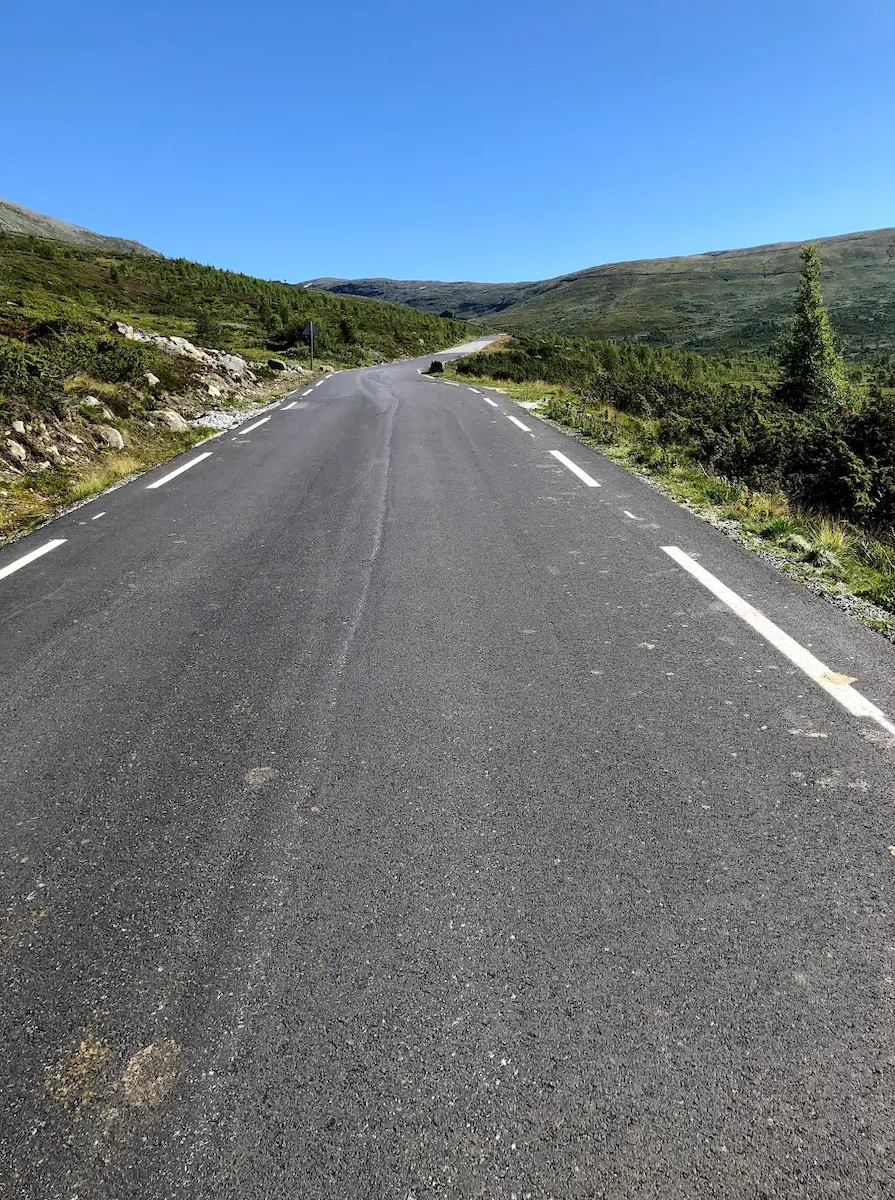
Aurlandsfjellet — Snøvegen
One of the most dramatic climbs in Norway. From Aurland at sea level, the Snow Road climbs 1,286 metres in just 17 kilometres — an average of 7.5% with no respite. The climb starts from Aurlandsvangen at sea level and reaches the Stegastein viewpoint by bike at km 7.5 — a cycling perspective on Norway's most photographed cantilever platform. Pass the iconic Stegastein viewpoint, suspended 650 metres above the Aurlandsfjord, before the open high-mountain plateau. A Norwegian Scenic Route and a bucket-list climb for any serious cyclist.
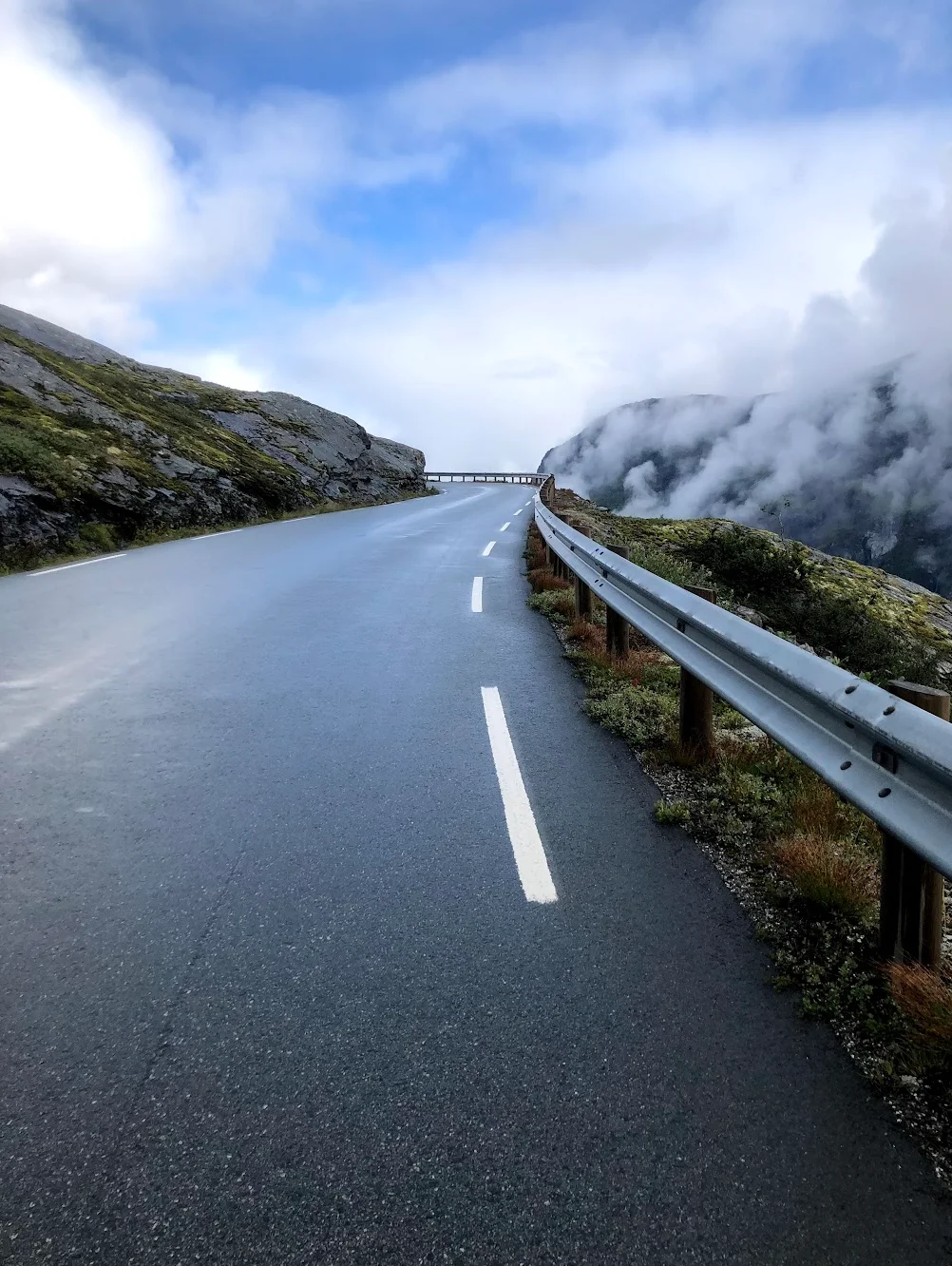
Geiranger — Dalsnibba HC
From the UNESCO-listed Geirangerfjord at sea level, climb 1,500 metres to Dalsnibba — one of Norway's longest and most spectacular HC climbs, with 35 hairpin bends — 11 of them on the Nibbevegen toll road up to the Geiranger Skywalk — and Europe's highest fjord view from a road. The route continues through Stryn before finishing at the ferry quay in Hellesylt, where the boat returns to Geiranger across the fjord.
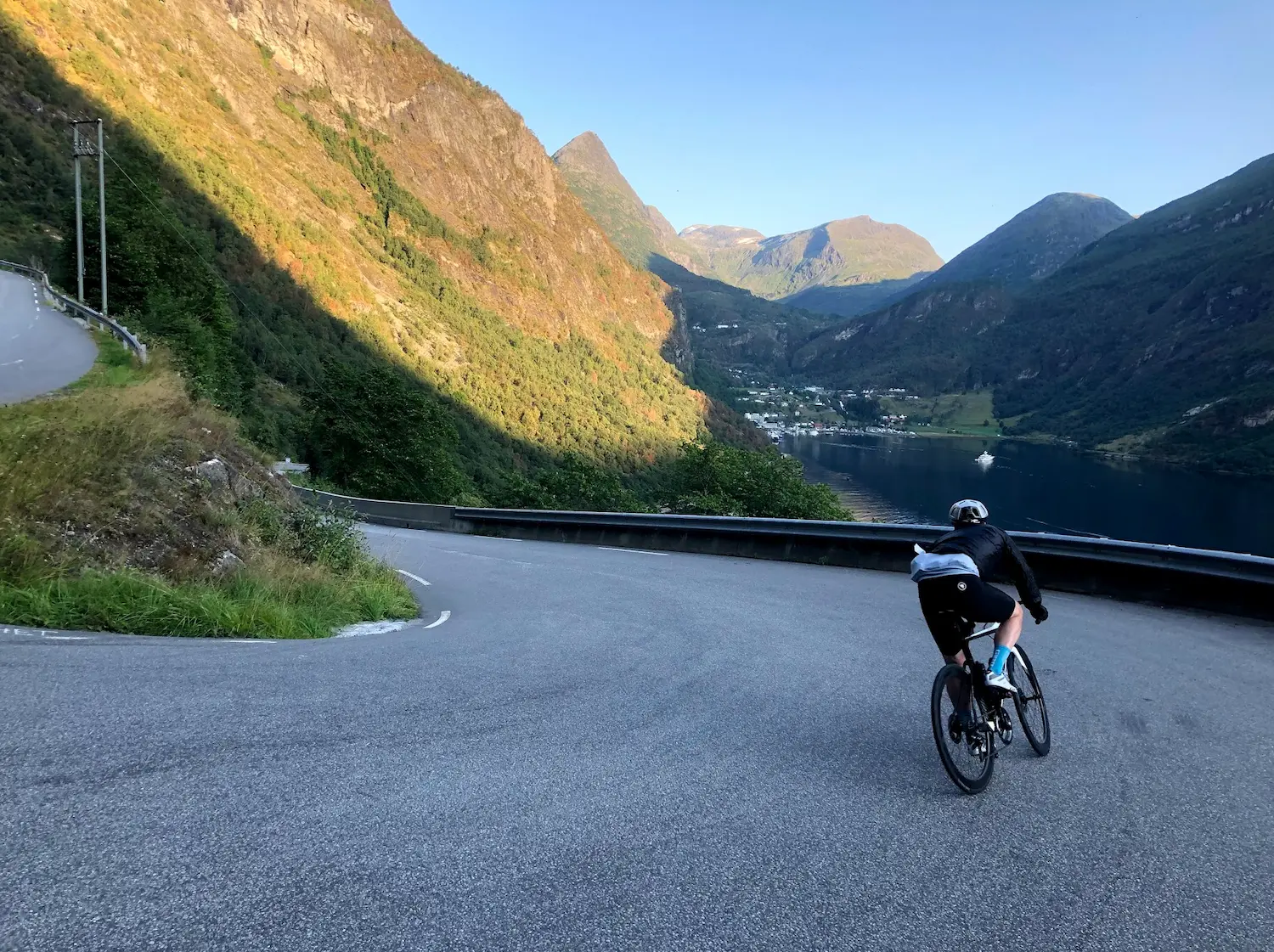
Trollstigen — 11 Hairpins
Trollstigen and Ørnevegen in a single loop from Geiranger — two of Norway's 18 Norwegian Scenic Roads in one day. You climb Ørnevegen out of town, take the Eidsdal ferry, work your way up the Valldøla valley to Stigrøra, descend the eleven hairpins of Trollstigen before turning and climbing them back up. 159 km, 3,556 m of climbing, two ferry crossings.
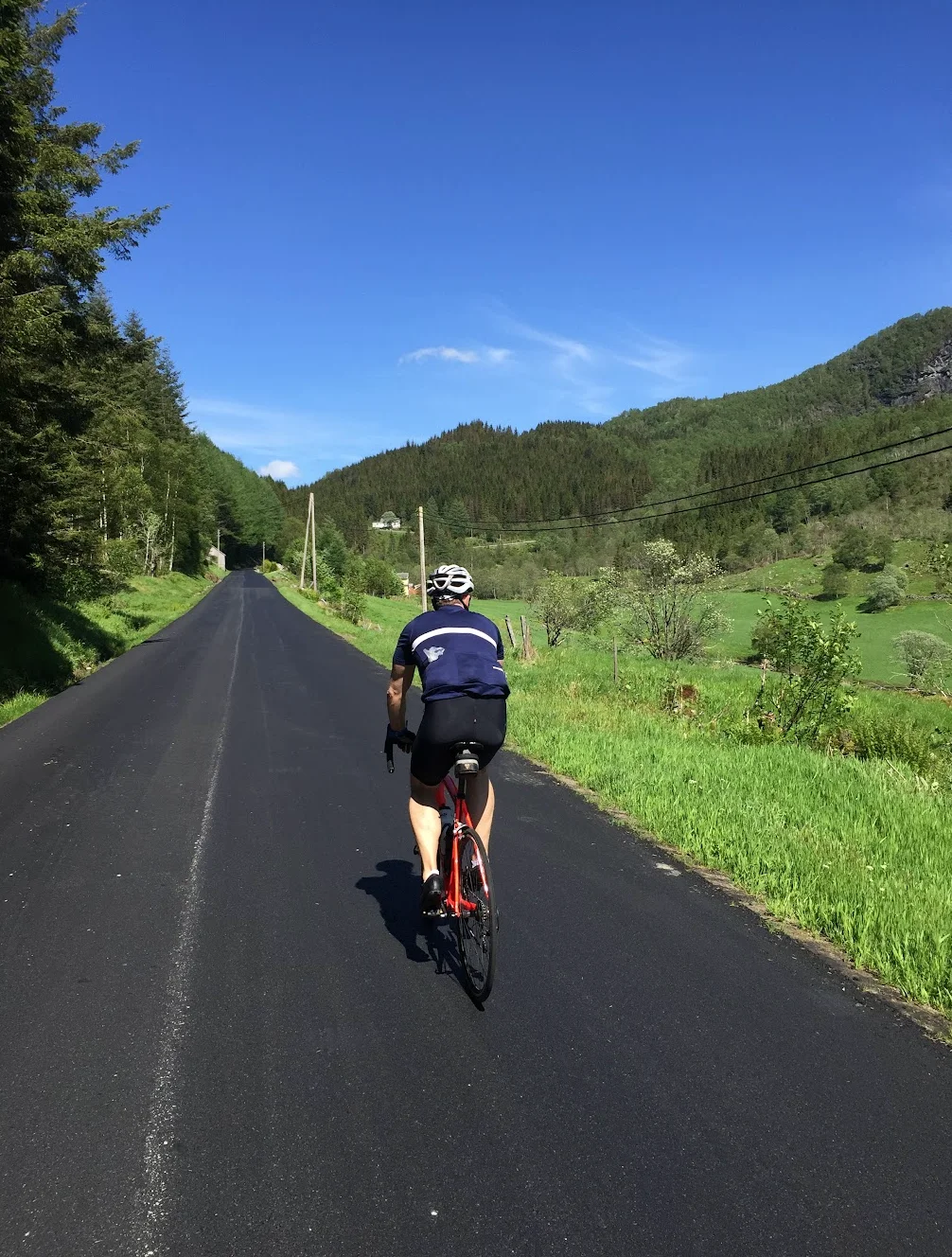
Western Fjords Cycling — Dale & Hyllestad Loop
A stunning loop through the Western Fjords of Norway, starting in Dale — a charming small town at the inner reaches of Dalsfjorden. This 108-kilometre route takes you through some of the finest fjordside roads in Sogn og Fjordane, past the iconic landmark of Lihesten mountain and into the village of Hyllestad at the halfway point. The route combines three distinct climbs with long stretches of quiet fjordside roads and spectacular views throughout. Hyllestad is dominated by the towering presence of Lihesten — one of the most recognisable peaks in the region — and offers shops and food stops before the return leg along the outer fjord. With 1,687 metres of climbing across 108 kilometres, this is a proper hard day in the saddle through some of Norway's most beautiful landscapes.
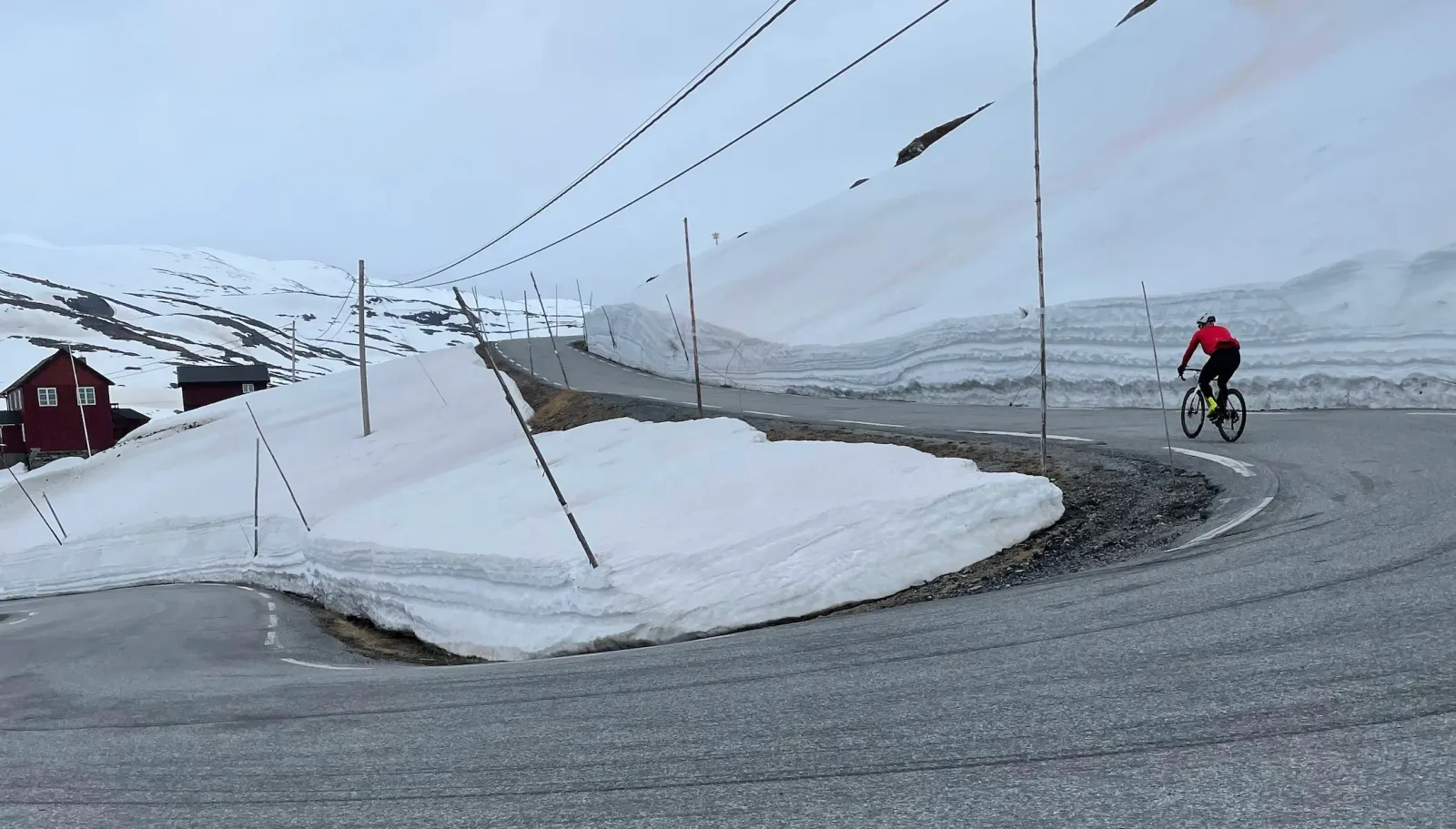
Lom - Sognefjellshytta
A 99.1 km out-and-back from Lom with 1,477 m of climbing up the Sognefjellsvegen (RV55), Northern Europe's highest mountain pass road. Green valley floor to two-metre snow walls at the summit, then a long, cold descent back through Bøverdalen.
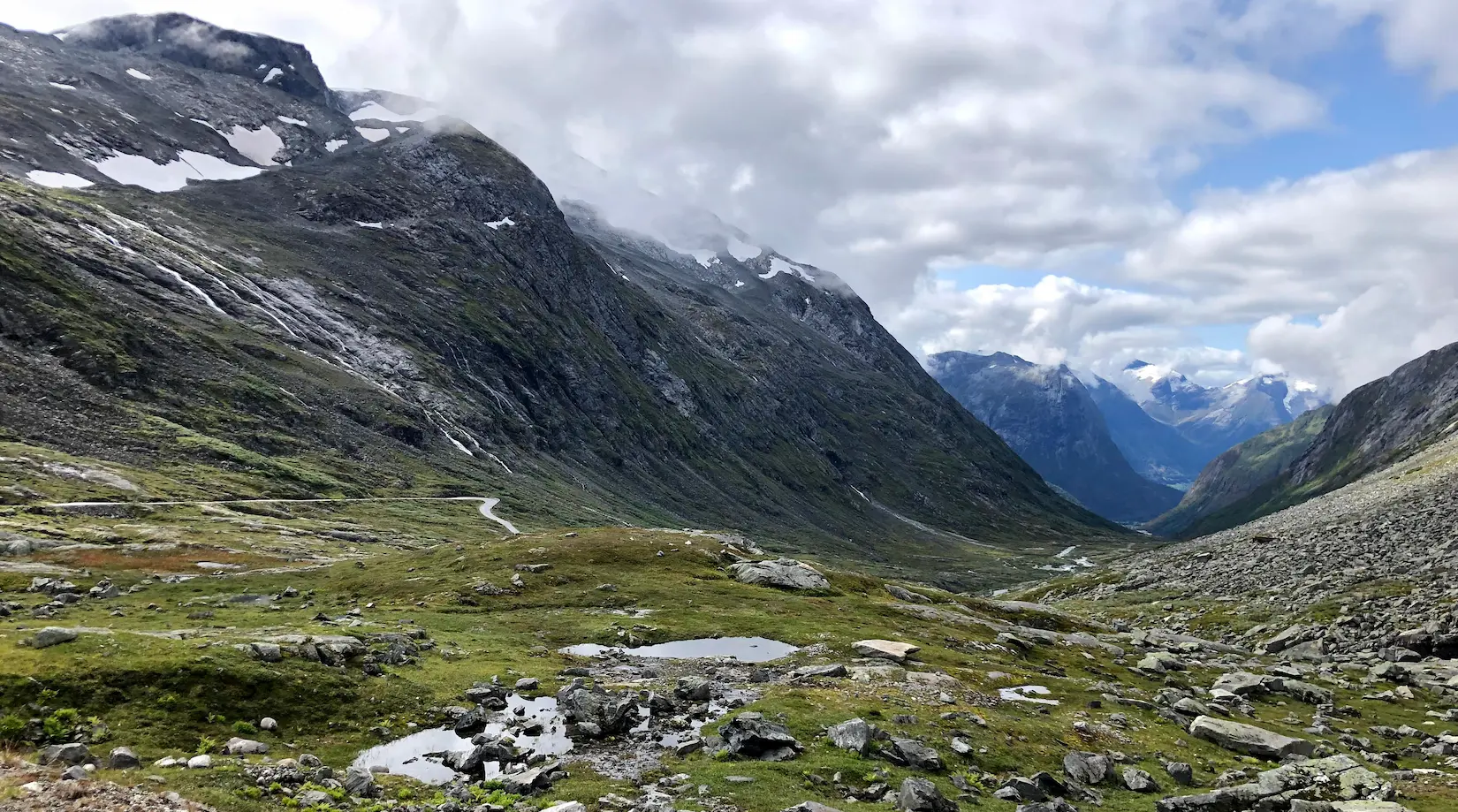
Gamle Strynefjellsveg
A 41.9 km out-and-back from Hjelle on Oppstrynsvatnet up Norway's most beautiful historic mountain road. The Gamle Strynefjellsveg, built between 1889 and 1894, climbs 1,062 metres in 18 kilometres on rough asphalt all the way to the 1,098-metre summit. No cafés, no respite — just sustained 7-8% gradient and snow-flecked peaks above turquoise glacial water.
Sognefjord & Jotunheimen 3-Day Cycling Holiday
3 days · 305 km · 7,038 m · Hard
Three days from Skjolden — Sognefjellet and Tindevegen back-to-back as one of Europe's hardest single-day rides, a 143 km Lustrafjord loop with stave church and glacier, and Aurlandsfjellet's Snow Road from Aurland to close. The Sognefjord week distilled into three honest days.
View the full itineraryBrowse all our itineraries →The Western Fjords of Norway deliver some of the most dramatic cycling on earth. In a single day you can roll out from sea level at the edge of a fjord and climb to 1,400 metres — through hairpin bends, past waterfalls and into a landscape that feels entirely untouched. The roads are narrow, the scenery is spectacular, and the traffic is minimal even in peak season.
Read the full guide ↓Show less ↑
This is not a region you visit for easy kilometres. The Western Fjords demand respect — long climbs, unpredictable mountain weather and long distances between food stops. But the rewards are extraordinary: Sognefjellet, Northern Europe's highest mountain pass. Trollstigen, with its eleven hairpins and thundering waterfall. Geirangerfjord, a UNESCO World Heritage site viewed from the saddle of a bike. These are rides that stay with you.
When to go
Timing varies significantly across the region. Coastal routes at lower elevations can be rideable from February or March, while the high mountain passes — Sognefjellet, Aurlandsfjellet, Venabygdsfjellet — typically open in late May or June, and only when conditions allow. Some years the snow lingers well into June. Always check current road status with the Norwegian Public Roads Administration (vegvesen.no) before heading into the mountains — road openings are announced there and can change from day to day.
Where to stay
The Western Fjords region covers an enormous area — Sogndal to Geiranger is around a four-hour drive. Each route is best experienced as a standalone destination rather than a touring base. Sogndal is well positioned for Sognefjellet and the Sognefjord routes. Geiranger is the natural base for Trollstigen and Dalsnibba. Plan your trip around the specific routes you want to ride, not a single base.
What makes the Western Fjords different
Nowhere else in Europe can you climb from fjord to alpine plateau in an hour. The combination of dramatic vertical gain, pristine road surfaces and virtually no traffic creates a cycling experience that is simply not replicable elsewhere. The scale is humbling — mountains rise directly from the water, and the roads cling to cliff faces above drops that demand full attention on the descents.
Practical tips
Stock up on food and water whenever you have the opportunity — it can be a long way between shops and cafés on the mountain routes. Lights are essential: some tunnels in the region are completely unlit, and cycling through them without front and rear lights is both dangerous and illegal. We flag tunnel warnings on each individual route page. Many of the ferry crossings in the region sell sveler — a traditional Norwegian waffle that has become something of a cyclist's institution. If you are crossing by ferry, order one.
Frequently asked questions
- When is the best time to cycle in the Western Fjords?
- June to September offers the best conditions. July and August are warmest, but June has fewer tourists and good visibility.
- How difficult are the cycling routes in the Western Fjords?
- Routes range from moderate to epic. Sognefjellet and Trollstigen are among the hardest climbs in Norway — expect long ascents and significant elevation.
- Do I need a road bike for Western Fjords cycling?
- A road bike is recommended for all paved routes. Some gravel sections exist but the main routes are on asphalt.